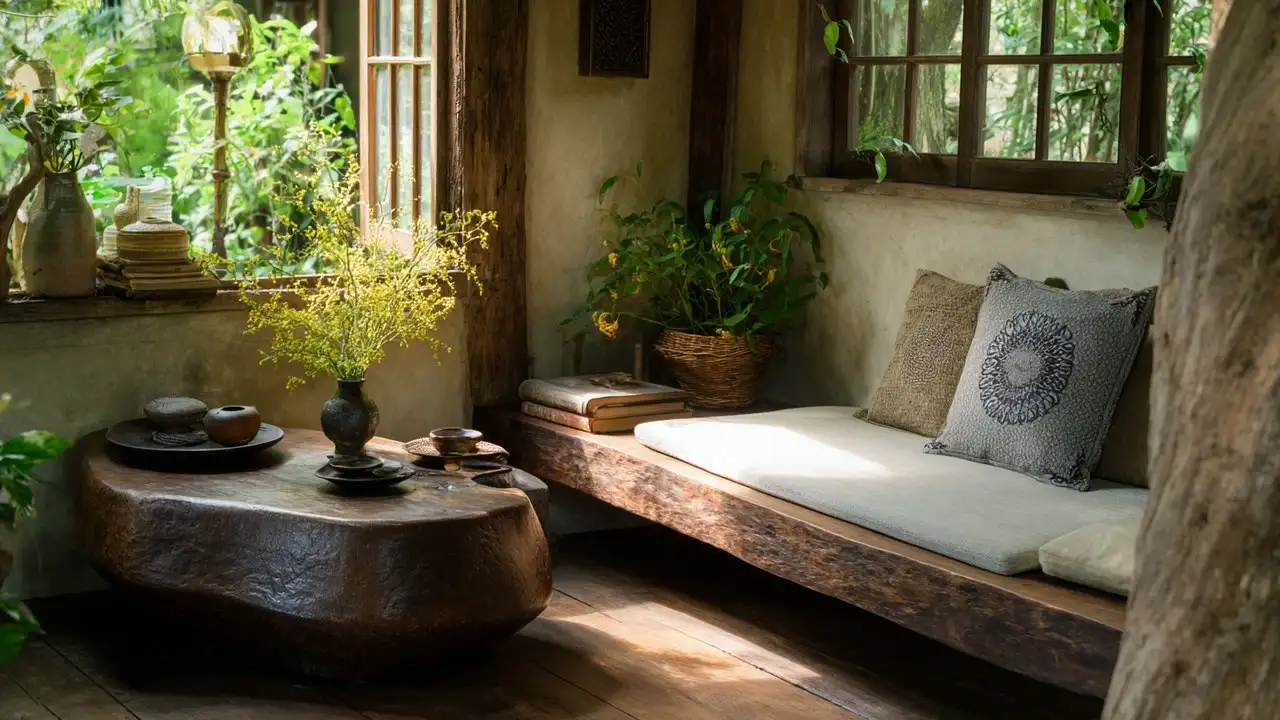
In a world filled with fast trends, perfect finishes, and constant upgrades, the philosophy of Wabi Sabi offers a refreshing alternative. Rooted in Japanese aesthetics, Wabi Sabi celebrates simplicity, authenticity, and the beauty of imperfection. Rather than striving for flawless interiors, it encourages homeowners to appreciate natural materials, aged textures, and meaningful objects that tell a story.
The growing popularity of minimalist and mindful living has brought Wabi Sabi into modern interior design. This timeless approach creates calm, welcoming spaces that feel lived-in, comfortable, and deeply connected to nature. Whether you’re redesigning an entire home or simply adding a few thoughtful touches, embracing Wabi Sabi can transform your space into a peaceful retreat.
In this guide, we’ll explore 10 Wabi Sabi ideas that can help you create a home that feels authentic, serene, and beautifully imperfect.
What Is Wabi Sabi?
Before diving into the design ideas, it helps to understand the meaning behind Wabi Sabi.
Wabi Sabi is a Japanese philosophy centered around three core principles:
- Nothing lasts forever.
- Nothing is finished.
- Nothing is perfect.
Instead of hiding flaws, Wabi Sabi embraces them. Cracks, weathered wood, handmade imperfections, and natural aging are viewed as beautiful reminders of life’s temporary nature.
This philosophy encourages simplicity, mindfulness, and appreciation for the present moment, making it an ideal design approach for creating peaceful living environments.
1. Choose Natural Materials
One of the most important elements of Wabi Sabi design is the use of natural materials. Nature provides textures, colors, and imperfections that perfectly reflect the philosophy.
Consider incorporating:
- Solid wood furniture
- Stone surfaces
- Linen textiles
- Cotton fabrics
- Clay pottery
- Bamboo accents
Unlike synthetic materials, natural elements develop character over time. Scratches, fading, and weathering add depth and uniqueness rather than detracting from their beauty.
A reclaimed wood dining table, for example, often feels more meaningful and inviting than a perfectly polished piece.
2. Embrace Imperfect Furniture
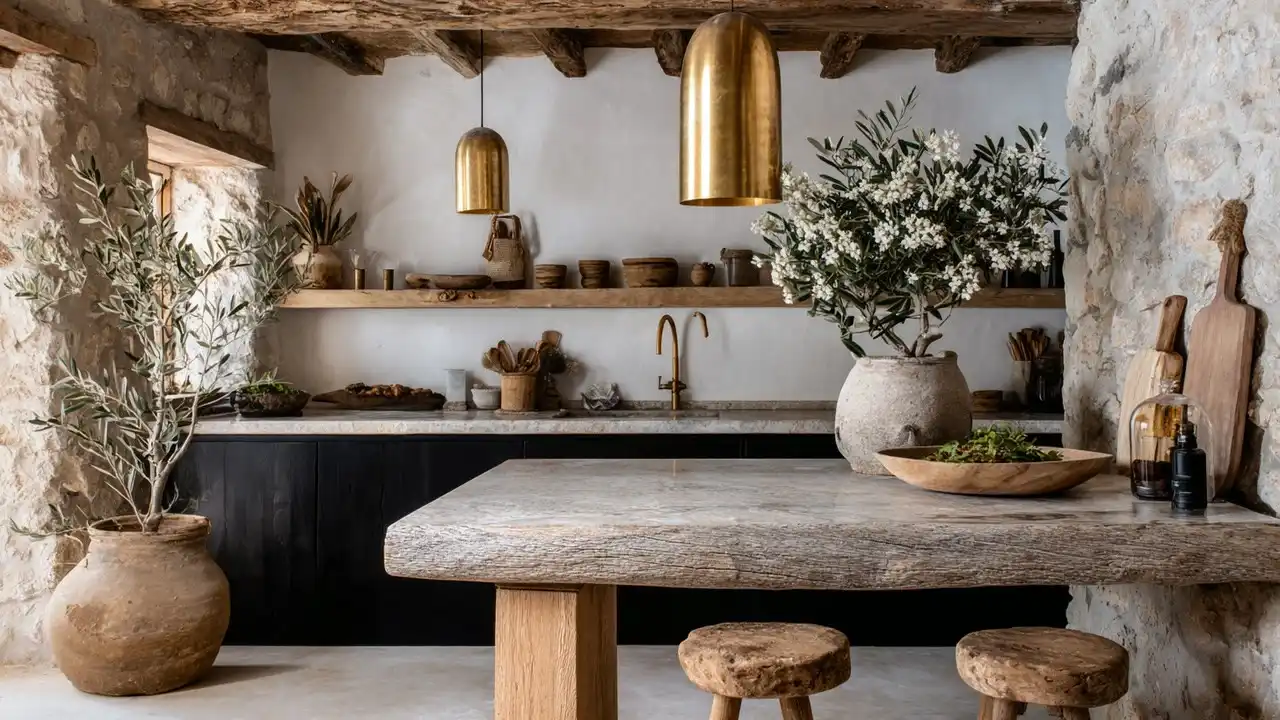
The essence of 10 Wabi Sabi design ideas lies in appreciating imperfections rather than concealing them.
Look for furniture that features:
- Handcrafted details
- Visible wood grain
- Natural knots
- Uneven textures
- Slight asymmetry
Vintage and antique pieces are especially valuable because they carry history and character.
Instead of replacing a worn chair or weathered cabinet, consider restoring it while preserving its unique marks and signs of age. These imperfections contribute to the authenticity of your space.

3. Create a Neutral Color Palette
Wabi Sabi interiors typically feature soft, earthy tones inspired by nature.
Popular colors include:
- Warm beige
- Sand
- Clay
- Taupe
- Soft gray
- Stone white
- Muted brown
- Sage green
These colors create a calm atmosphere and allow textures to become the focal point of the room.
Avoid overly bright or artificial colors that may disrupt the peaceful balance of the space. Instead, layer subtle shades to add depth and warmth.
The goal is to create an environment that feels soothing rather than stimulating.

4. Create a Neutral Color Palette
Handmade items embody the spirit of Wabi Sabi because they naturally contain unique imperfections.
Consider adding:
- Hand-thrown ceramic vases
- Artisan pottery
- Handwoven baskets
- Handmade candles
- Sculptural clay pieces
- Handcrafted wooden bowls
Each item tells a story through its irregular shape, texture, or finish.
Unlike mass-produced décor, handmade objects bring personality and authenticity into your home, making every room feel more meaningful and connected to human craftsmanship.

5. Let Empty Space Breathe
Many people assume a beautifully designed room requires numerous decorative items. Wabi Sabi challenges this idea by celebrating simplicity and restraint.
Allowing empty space creates:
- Visual calm
- Better balance
- Greater appreciation of individual objects
- A more peaceful atmosphere
Instead of filling every shelf or wall, choose a few meaningful pieces and give them room to stand out.
Negative space is not wasted space it is an intentional design element that contributes to the overall harmony of a room.

6. Highlight Organic Textures
Texture plays a significant role in Wabi Sabi interiors.
Mixing various natural textures creates warmth and depth without relying on excessive decoration.
Examples include:
- Rough stone walls
- Textured plaster
- Raw wood furniture
- Linen curtains
- Woven rugs
- Handmade ceramics
The contrast between different surfaces adds visual interest while maintaining a minimalist appearance.
A room with layered textures often feels richer and more inviting than one filled with colorful accessories.
7. Incorporate Nature Indoors
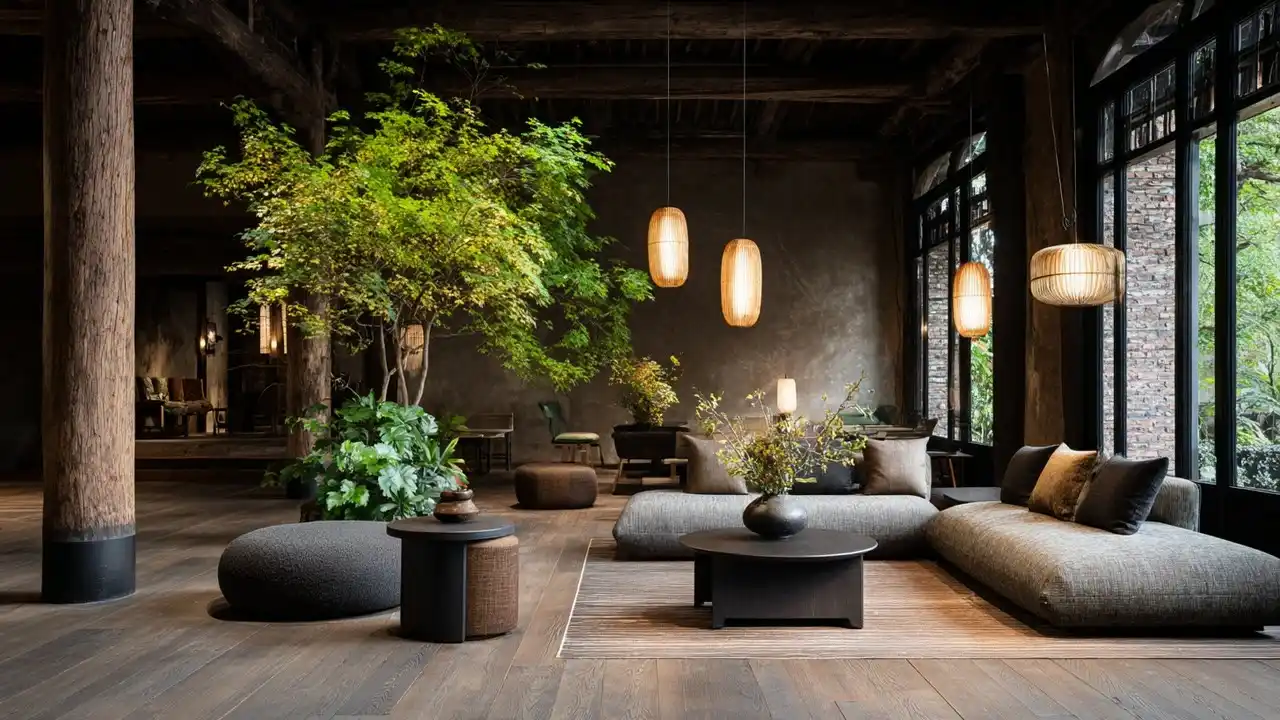
Nature is deeply connected to Wabi Sabi philosophy.
Bringing natural elements indoors helps create a stronger connection to the changing seasons and the natural world.
Ideas include:
- Dried branches
- Wildflowers
- Potted plants
- Bonsai trees
- River stones
- Natural wood accents
Choose arrangements that appear organic rather than overly styled.
A simple branch placed in a ceramic vase can become a striking focal point while maintaining the understated elegance that defines Wabi Sabi design.
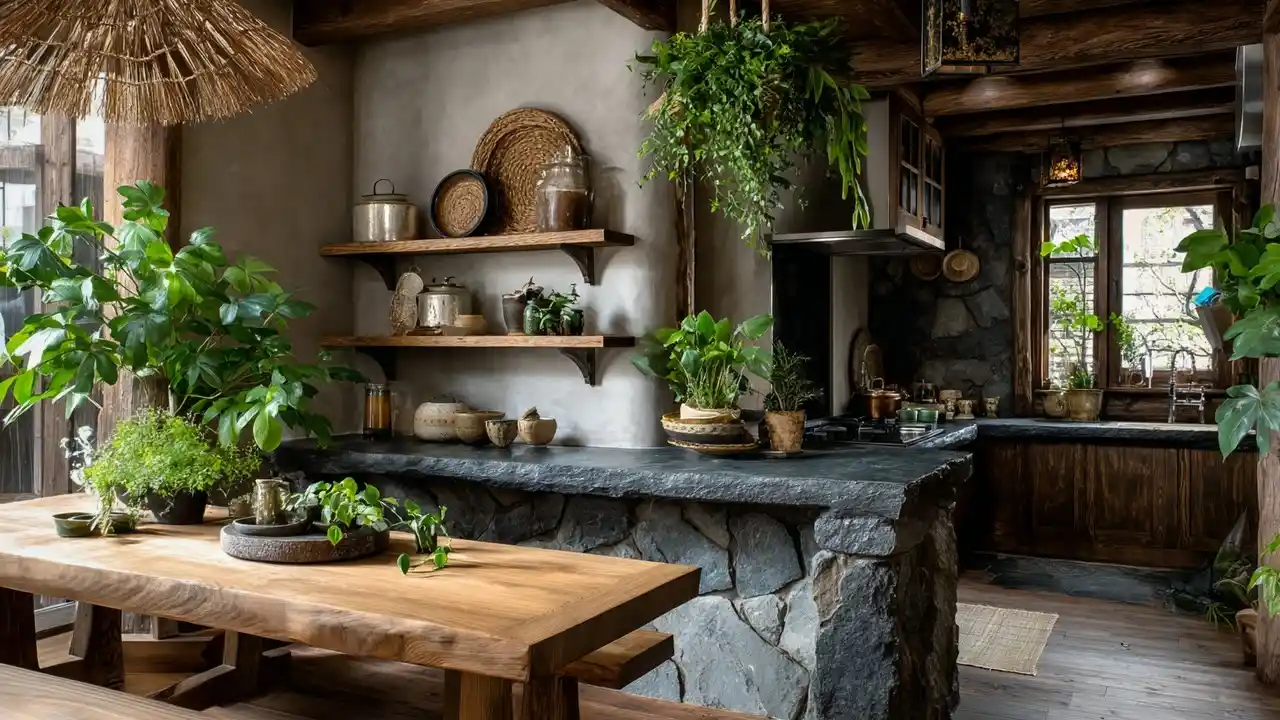
8. Celebrate Aging and Patina
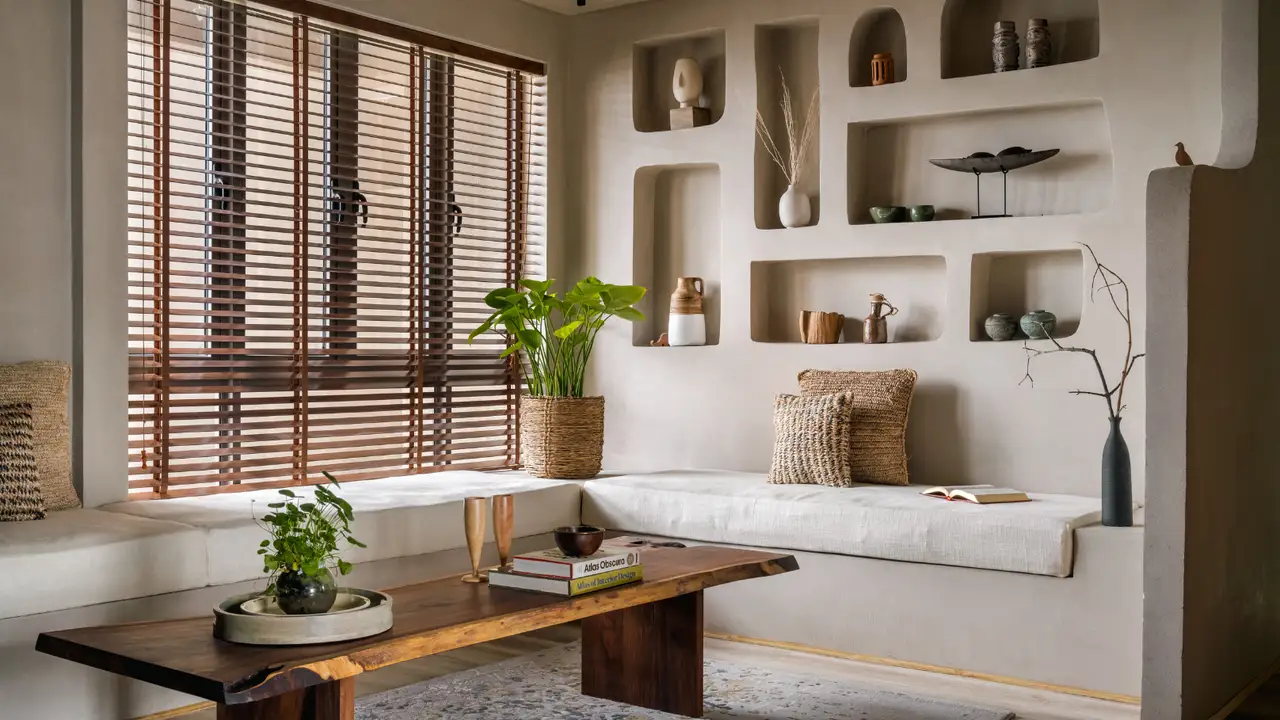
Modern design often encourages replacing items when they begin to show signs of wear. Wabi Sabi takes the opposite approach.
Patina—the natural aging process of materials is considered beautiful.
Examples include:
- Weathered wood
- Oxidized metals
- Faded fabrics
- Worn leather
- Aged ceramics
These signs of use reflect the passage of time and add depth to your home.
Rather than seeking perfection, learn to appreciate the stories and memories embedded within your possessions.
An old wooden bench with visible wear often possesses more character than a brand-new replacement.
9. Use Soft, Natural Lighting
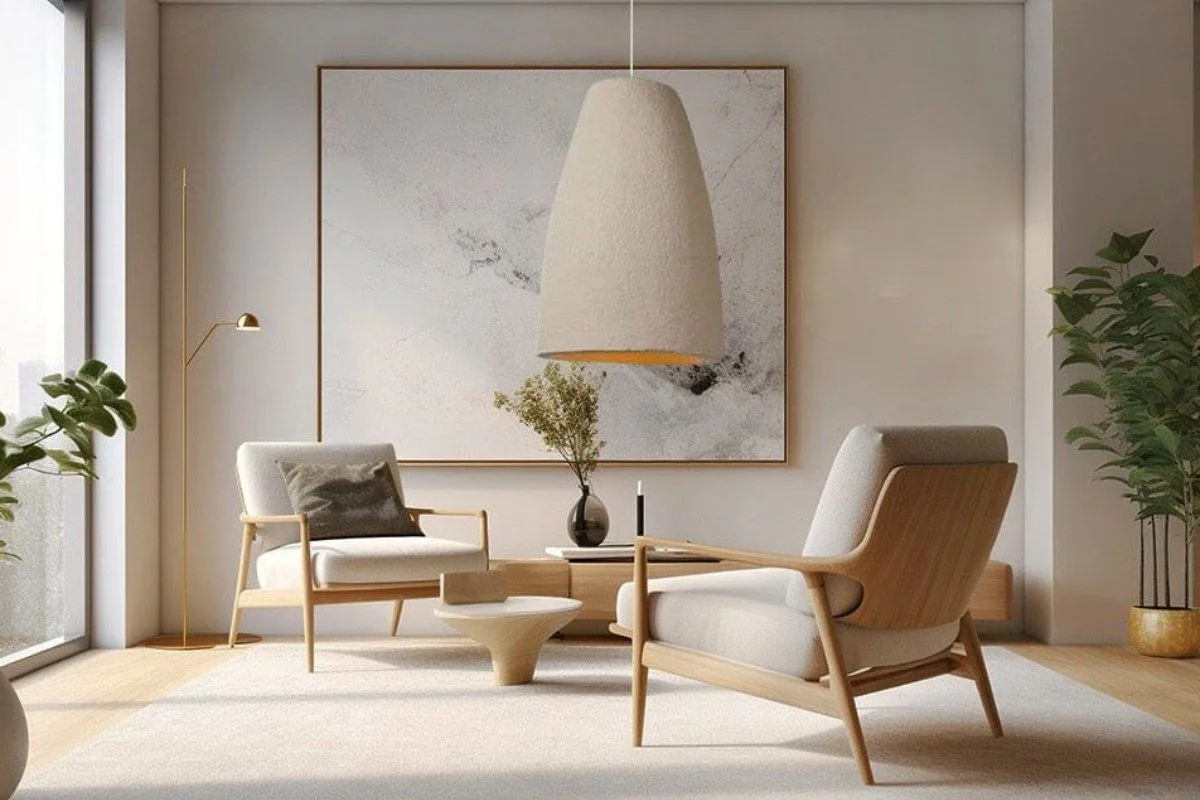
Lighting significantly influences the mood of a Wabi Sabi interior.
Natural light is preferred whenever possible because it creates a soft and ever-changing atmosphere throughout the day.
To enhance natural lighting:
- Use sheer linen curtains
- Keep windows unobstructed
- Choose light-reflective surfaces
- Minimize heavy window treatments
For evening illumination, opt for:
- Paper lanterns
- Warm LED bulbs
- Candles
- Soft table lamps
Avoid harsh overhead lighting that feels overly bright or artificial.
The goal is to create a warm, tranquil environment that encourages relaxation and mindfulness.
10. Practice Mindful Decorating
The final idea among these 10 Wabi Sabi principles is perhaps the most important: decorate with intention.
Every object in your home should serve a purpose or hold personal meaning.
Ask yourself:
- Does this item bring joy?
- Does it have a story?
- Is it useful?
- Does it contribute to the room’s peaceful atmosphere?
Instead of accumulating more possessions, focus on curating meaningful pieces that support a simpler lifestyle.
Mindful decorating creates a home that feels authentic, personal, and deeply connected to your values.
How to Add Wabi Sabi to Different Rooms
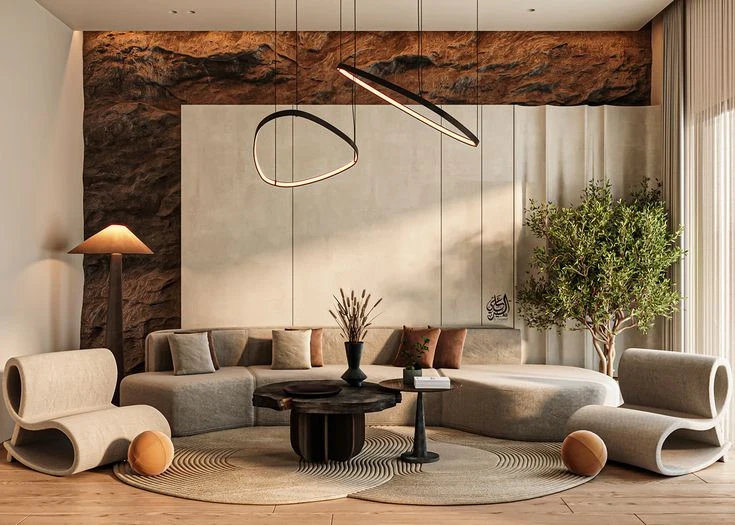
Living Room
Incorporate:
- Neutral-toned sofas
- Wooden coffee tables
- Handmade pottery
- Linen throws
- Minimal decorations
Focus on comfort, simplicity, and natural materials.
Bedroom
Create a calming retreat with:
- Linen bedding
- Wooden furniture
- Soft lighting
- Neutral colors
- Minimal accessories
A clutter-free bedroom promotes better rest and relaxation.
Kitchen
Bring Wabi Sabi into the kitchen through:
- Open shelving
- Handmade ceramics
- Wooden cutting boards
- Stone countertops
- Natural textures
Display everyday items beautifully rather than hiding everything away.
Bathroom
Use:
- Stone accessories
- Organic cotton towels
- Natural wood accents
- Earth-toned color palettes
These elements create a spa-like atmosphere rooted in simplicity.
Benefits of Wabi Sabi Design
There are many reasons homeowners are embracing Wabi Sabi interiors.
Reduces Stress
A simple, uncluttered environment promotes relaxation and mental clarity.
Encourages Sustainability
Using vintage furniture and natural materials supports environmentally conscious living.
Creates Timeless Spaces
Wabi Sabi is not trend-driven, making it a long-lasting design choice.
Promotes Mindfulness
The philosophy encourages appreciation of the present moment and the beauty of everyday life.
Enhances Authenticity
Rather than chasing perfection, Wabi Sabi celebrates individuality and personal expression.
Common Mistakes to Avoid
When designing a Wabi Sabi-inspired home, avoid these common pitfalls:
Mistake 1: Confusing Wabi Sabi with Neglect
Imperfection does not mean poor maintenance. Spaces should still feel clean, intentional, and cared for.
Mistake 2: Overdecorating
Too many decorative items can undermine the simplicity central to Wabi Sabi.
Mistake 3: Using Artificial Materials
Synthetic materials often lack the texture and authenticity that define this style.
Mistake 4: Chasing Perfection
Trying too hard to create a “perfect” Wabi Sabi room contradicts the philosophy itself.
Mistake 5: Following Trends
Wabi Sabi is about timeless beauty, not short-lived design fads.
Conclusion
The beauty of Wabi Sabi lies in its ability to transform ordinary spaces into meaningful sanctuaries. By embracing natural materials, celebrating imperfections, incorporating handmade objects, and simplifying your surroundings, you can create a home that feels calm, authentic, and deeply personal.
These 10 Wabi Sabi ideas offer practical ways to introduce this timeless philosophy into your everyday life. Rather than striving for perfection, Wabi Sabi encourages us to appreciate the beauty found in imperfection, aging, and simplicity.
In a fast-paced world, adopting Wabi Sabi design principles can help create a home that nurtures peace, mindfulness, and genuine comfort one imperfectly beautiful detail at a time.