
A well-designed sewing room can completely transform how you create, organize, and enjoy your craft. Whether you’re a beginner just starting out or an experienced sewist working on complex projects, having a dedicated and thoughtfully planned space makes a huge difference. In this guide, we’ll explore 10 Sewing Room Ideas that blend functionality, comfort, and style helping you build a space that inspires creativity every day.
1. Maximize Natural Light for Better Visibility
Lighting is one of the most important aspects of any sewing room. Natural light not only reduces eye strain but also helps you see fabric colors accurately.
Place your sewing table near a window where sunlight can flow in. If natural light is limited, invest in bright LED task lighting that mimics daylight. Adjustable desk lamps or overhead lighting can help you focus on intricate stitching and detail work.
Light-colored walls and reflective surfaces can also amplify brightness, making your room feel more open and inviting.

2. Create a Functional Layout
One of the most effective 10 Sewing Room Ideas is designing a layout that supports your workflow. Think about how you move between tasks cutting, sewing, ironing, and storing.
A common and efficient setup includes:
- A cutting station
- A sewing machine area
- An ironing space
Arrange these zones in a triangle or linear flow to reduce unnecessary movement. If space allows, keep everything within arm’s reach to improve efficiency and comfort.
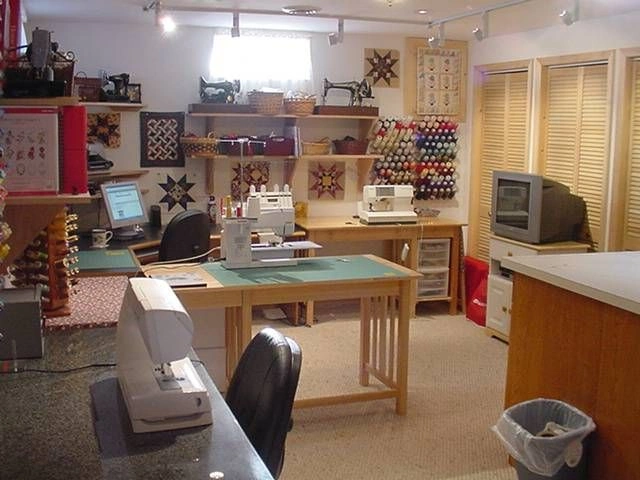
3. Invest in Smart Storage Solutions
Sewing supplies can quickly take over your space if not organized properly. From threads and fabrics to scissors and patterns, everything needs a home.
Consider:
- Clear storage bins for fabrics
- Wall-mounted shelves for easy access
- Drawer organizers for small tools
- Pegboards for hanging frequently used items
Labeling your storage helps you find things quickly and keeps your workspace clutter-free.

4. Use Vertical Space Wisely
If your sewing room is small, think vertically. Walls are often underutilized but can provide excellent storage opportunities.
Install:
- Floating shelves
- Hanging organizers
- Pegboards for tools and accessories
Vertical storage not only saves floor space but also keeps everything visible and accessible, which boosts productivity.

5. Choose a Comfortable Sewing Chair
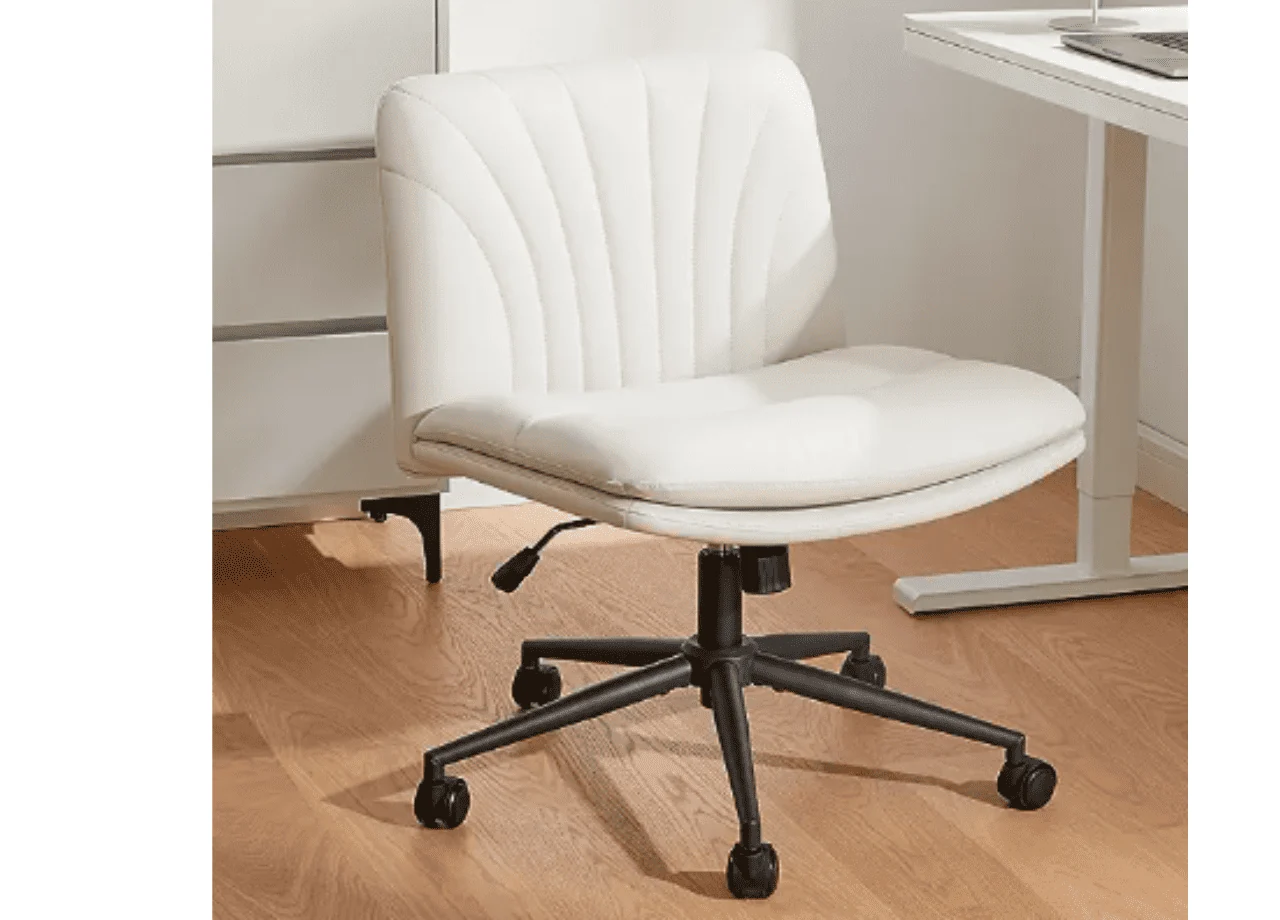
You’ll likely spend hours sitting while sewing, so comfort is essential. A good chair supports your posture and reduces strain on your back and neck.
Look for:
- Adjustable height
- Lumbar support
- Cushioned seating
Ergonomics play a huge role in maintaining long-term comfort and preventing fatigue during long sewing sessions.
6. Design a Dedicated Cutting Area
Cutting fabric on the floor or a small surface can be frustrating and inaccurate. A dedicated cutting station makes your work easier and more precise.
Use a large table or a foldable cutting surface. Ideally, it should be at waist height to prevent bending and back pain. Self-healing cutting mats are also a great addition to protect your surfaces and improve accuracy.
7. Keep Your Sewing Machine the Star
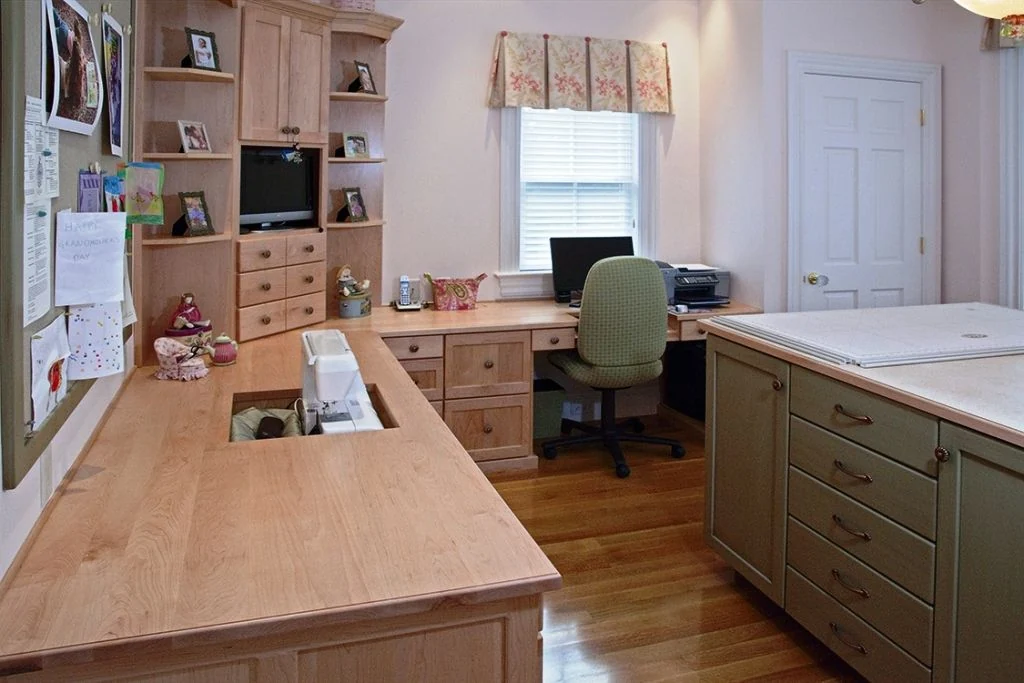
Your sewing machine is the heart of your sewing room, so give it a central and accessible spot.
Make sure:
- The table is sturdy and at the right height
- There’s enough space for fabric to move freely
- Power outlets are easily accessible
You can also consider a sewing cabinet that hides your machine when not in use while offering extra storage.

8. Add Personal Style and Inspiration
Your sewing room should reflect your personality and inspire creativity. This is where design meets passion.
Add:
- Inspirational quotes or artwork
- Colorful fabric displays
- Mood boards for project ideas
- Decorative storage boxes
A visually appealing space can boost your motivation and make sewing more enjoyable.

9. Organize Threads and Notions Efficiently
Threads, needles, buttons, and small accessories can easily become messy. Keeping them organized saves time and frustration.
Ideas include:
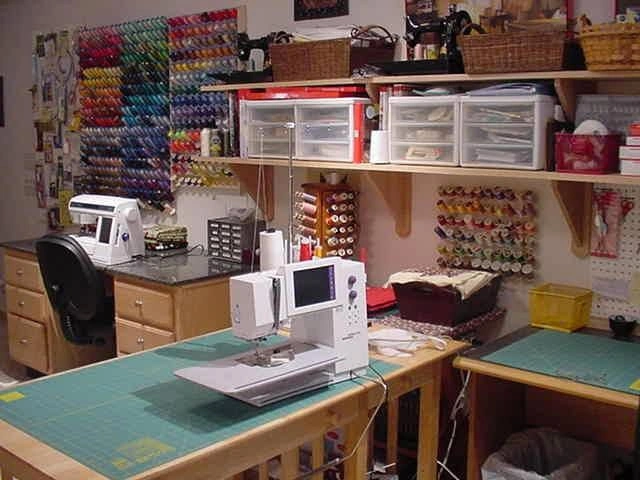
- Thread racks mounted on the wall
- Small containers or jars for buttons
- Drawer dividers for needles and tools
When everything is visible and sorted, you’ll spend less time searching and more time creating.

10. Make It Multi-Functional
If you don’t have a dedicated room, your sewing space may need to serve multiple purposes. That’s where flexibility becomes key.
Use:
- Foldable tables
- Portable storage carts
- Convertible furniture
This allows you to set up your sewing area when needed and pack it away easily, making it perfect for small homes or shared spaces.
Bonus Tips for the Perfect Sewing Room
To take your space to the next level, consider these additional tips:
Keep It Clutter-Free
Regularly declutter your sewing room to maintain a clean and productive environment.
Use Color Coding
Organize fabrics and threads by color for easier access and a visually pleasing look.
Maintain Good Ventilation
Proper airflow is important, especially when ironing or working with certain fabrics.
Add a Mirror
A full-length mirror helps you check garment fittings and final results.
Why These 10 Sewing Room Ideas Matter
Creating a sewing room isn’t just about aesthetics it’s about building a space that supports your creativity and efficiency. These 10 Sewing Room Ideas are designed to help you:
- Save time with better organization
- Improve comfort during long sessions
- Enhance creativity with an inspiring environment
- Maximize even the smallest spaces
Whether you’re redesigning an entire room or just upgrading a corner, small changes can make a big impact.
Final Thoughts
A sewing room should be more than just a workspace it should be a place where ideas come to life. By implementing these 10 Sewing Room Ideas, you can create a space that is both functional and inspiring.
Start with what you have, add improvements over time, and most importantly, design a space that works for you. Your perfect sewing room doesn’t have to be expensive or large it just needs to be thoughtful, organized, and filled with creativity.