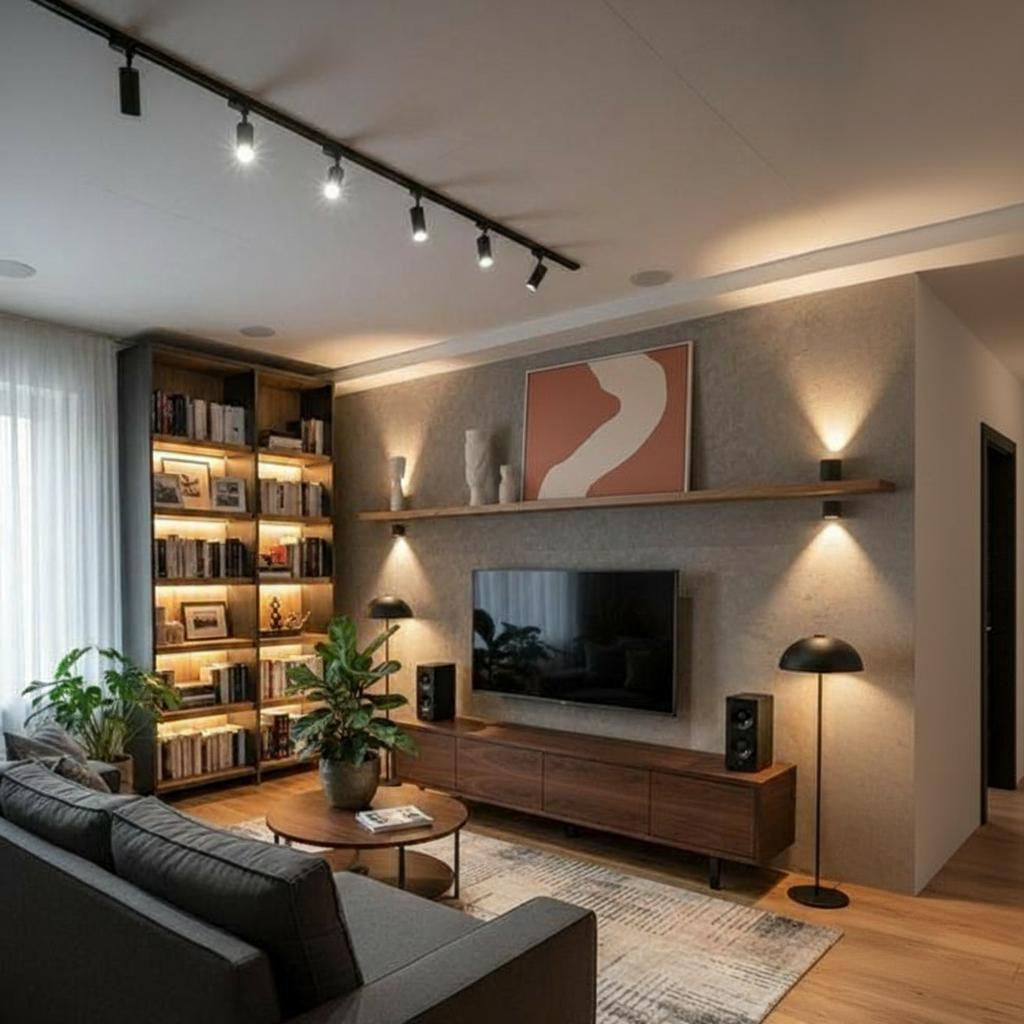
The living room is the heart of the home. It’s where we relax after long days, welcome guests, spend time with family, and often express our personal style more than any other space.
A well-designed living room doesn’t just look beautiful it feels inviting, functional, and balanced. Whether your space is large or compact, modern or traditional, thoughtful design choices can completely transform how it looks and how you experience it.
In this in-depth guide, we’ll explore 10 Living Room Design Ideas that work across different home sizes, budgets, and personal styles. Each idea focuses on blending aesthetics with practicality, helping you create a living room that feels timeless, comfortable, and uniquely yours.
1. Embrace a Balanced Color Palette
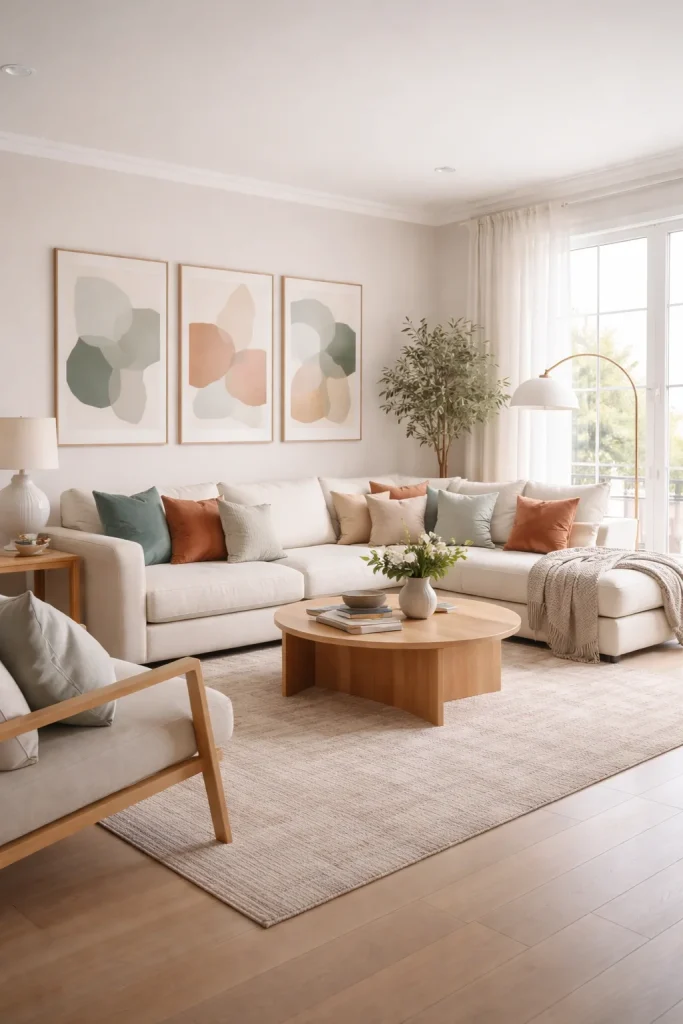
Color sets the foundation of any living room design. The right palette can make a room feel larger, cozier, brighter, or more dramatic. Neutral tones such as beige, ivory, soft gray, and warm white remain popular because they create a calm backdrop that’s easy to style over time. However, neutral doesn’t have to mean boring.
To add depth, layer your base color with complementary accents. For example, pair warm beige walls with wooden furniture, soft cream upholstery, and textured cushions in muted earthy tones. If you prefer something bolder, introduce one or two accent colors like deep green, navy blue, or terracotta through pillows, throws, or artwork rather than repainting the entire room.
A balanced color palette ensures visual harmony and allows you to refresh your living room easily by swapping accessories seasonally without a complete redesign.
2. Focus on Comfortable and Functional Seating
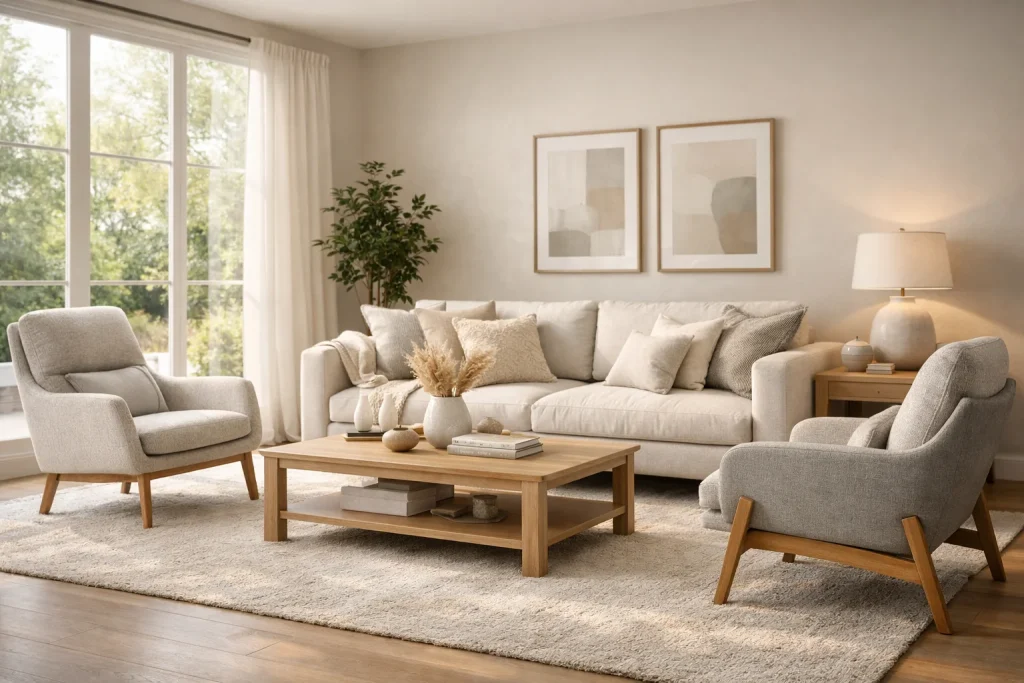
Seating is the most important functional element of the living room. It defines how the space is used whether for entertaining, lounging, or family gatherings. Start by choosing a sofa that fits your room’s scale. Oversized sofas can overwhelm small spaces, while tiny sofas can feel lost in large rooms.
Sectional sofas work beautifully in open-plan homes and family-focused living rooms, offering generous seating without cluttering the layout. In smaller spaces, a compact sofa paired with accent chairs or poufs keeps the room flexible and open.
Comfort should never be sacrificed for style. Look for supportive cushions, quality upholstery, and ergonomic proportions. Thoughtfully arranged seating encourages conversation and relaxation, making your living room a true gathering space rather than just a display area.
3. Use Lighting to Create Atmospher
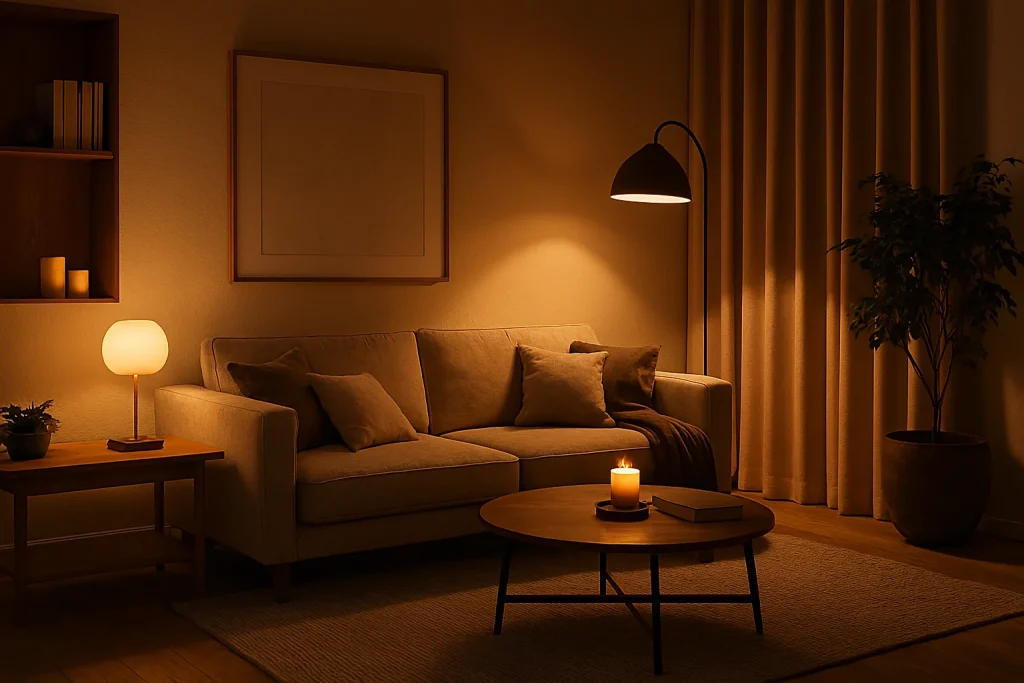
Lighting plays a crucial role in shaping the mood of your living room. Relying on a single overhead light often results in a flat, uninviting space. Instead, layer different types of lighting to create warmth and depth.
Start with ambient lighting, such as ceiling fixtures or recessed lights, to provide general illumination. Add task lighting like floor lamps or table lamps near seating areas for reading or relaxing. Finally, introduce accent lighting wall sconces, LED strips, or decorative lamps to highlight artwork, shelves, or architectural details.
Warm light tones tend to make living rooms feel cozy and welcoming, while cooler tones suit modern, minimalist spaces. By combining multiple light sources, you gain flexibility and control over the room’s atmosphere throughout the day.
4. Incorporate Texture for Visual Interest
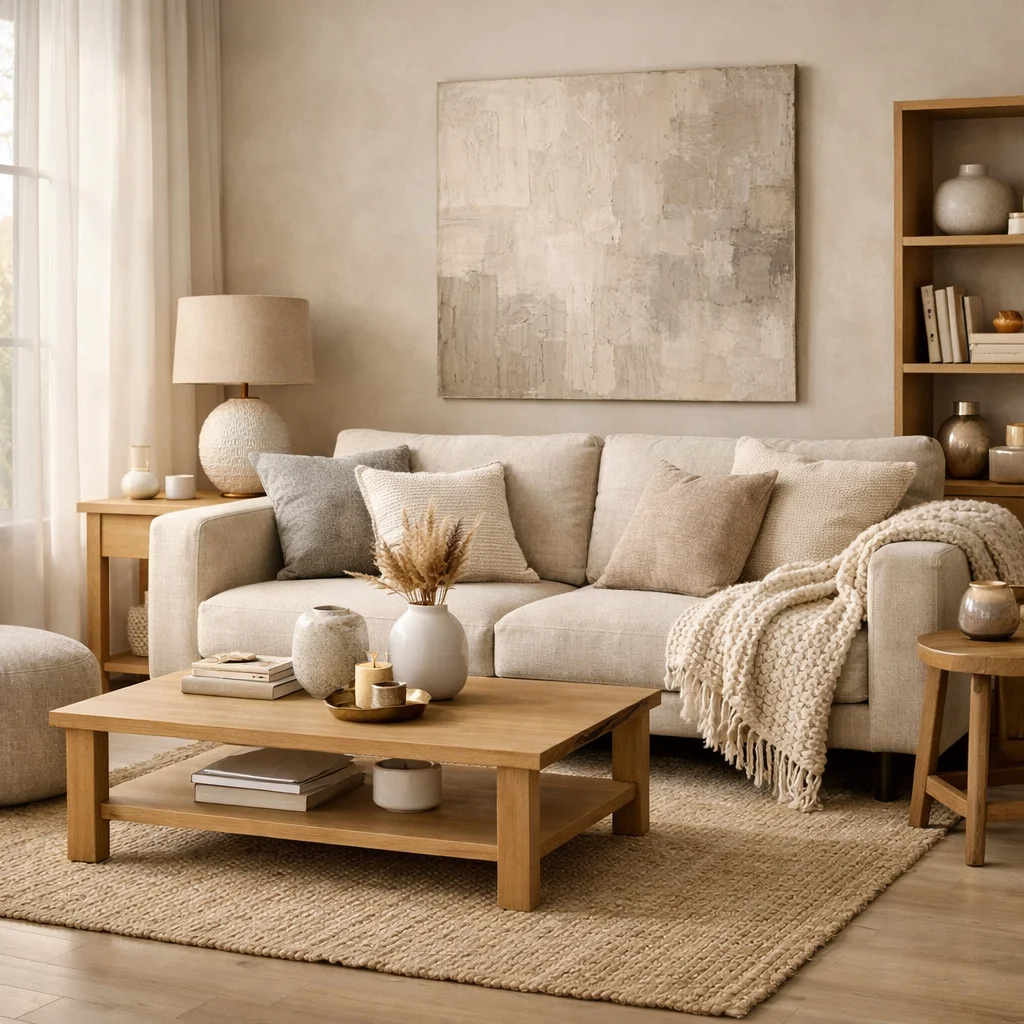
Texture is often overlooked, yet it’s one of the easiest ways to elevate a living room. Even a monochromatic space can feel rich and layered when different textures are thoughtfully combined.
Mix soft textiles like velvet cushions, woven throws, and plush rugs with harder materials such as wood, metal, glass, or stone. A leather chair next to a fabric sofa, or a wooden coffee table paired with a ceramic vase, creates contrast that feels intentional and sophisticated.
Textured walls using wallpaper, wood panels, or subtle plaster finishes can also add character without overwhelming the room. The key is balance: too many textures can feel chaotic, while too few may look flat.
5. Design Around a Clear Focal Point
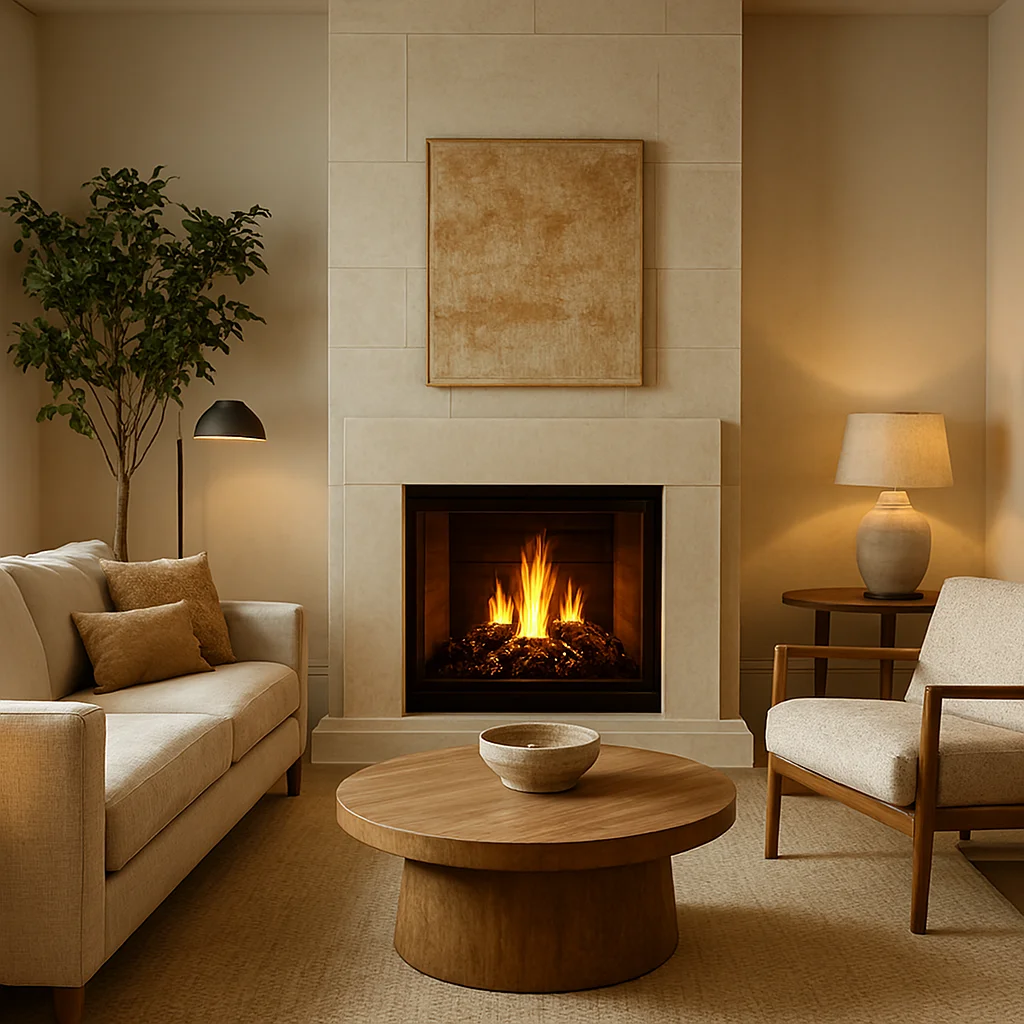
Every well-designed living room benefits from a focal point a feature that naturally draws the eye and anchors the layout. This could be a fireplace, a large window, a statement wall, or even a media unit.
Once you identify the focal point, arrange your furniture to highlight it. For example, position the sofa facing the fireplace or center the seating around a large piece of artwork. This creates visual order and makes the room feel cohesive rather than scattered.
If your living room lacks an obvious focal point, you can create one. A gallery wall, a bold paint color, or a striking piece of furniture can serve as a visual anchor and give the space a strong sense of identity.
6. Choose the Right Rugs to Define Space
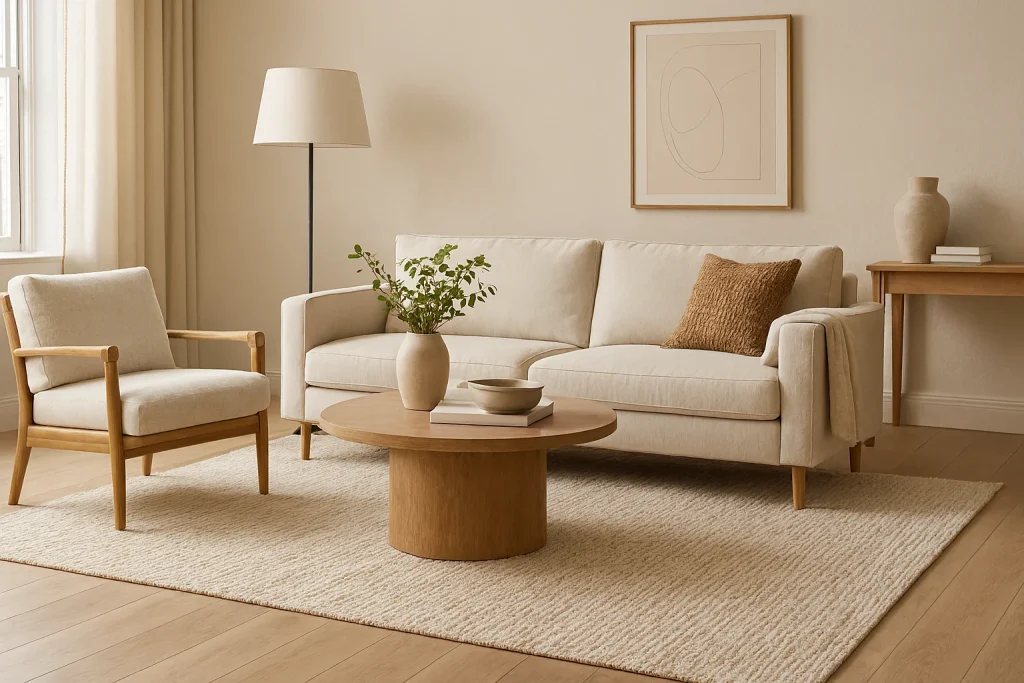
Rugs are more than decorative accessories they help define zones, especially in open-plan or large living rooms. The right rug can visually connect furniture pieces and make the room feel grounded.
Size is crucial. A rug that’s too small can make the space feel disconnected. Ideally, at least the front legs of your sofa and chairs should sit on the rug. In larger rooms, placing all furniture legs on the rug creates a unified seating area.
Material matters as well. Wool rugs are durable and cozy, while flat-weave or jute rugs suit casual or minimalist interiors. Patterns can add personality, but make sure they complement rather than compete with other elements in the room.
7. Add Personality Through Art and Decor
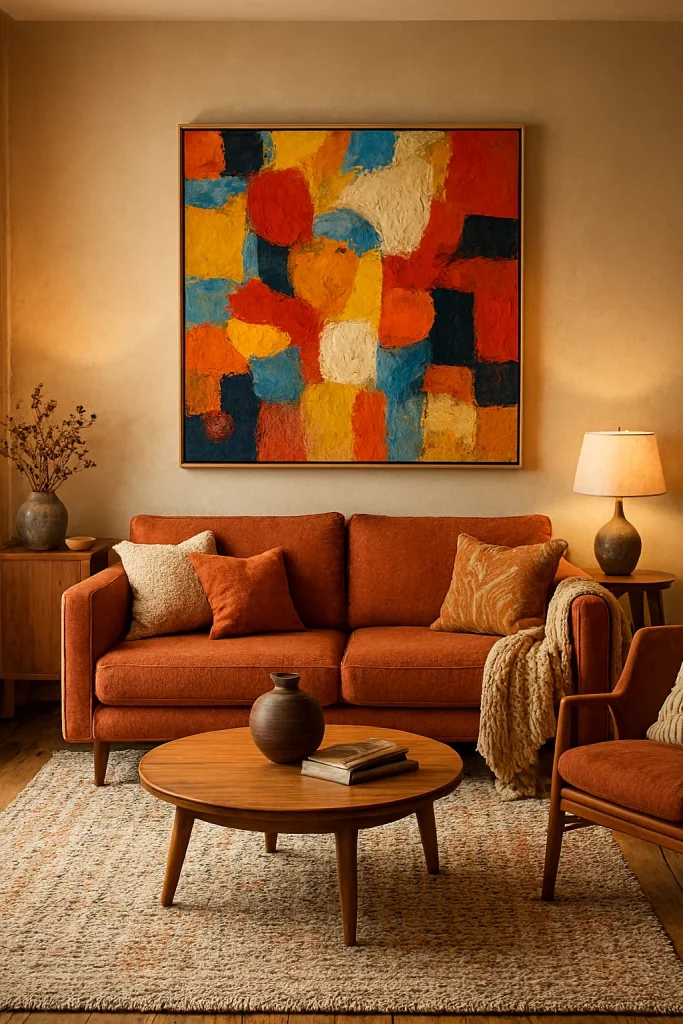
Your living room should reflect who you are. Art, décor, and accessories are where your personality truly shines. Whether you prefer abstract paintings, family photographs, travel souvenirs, or handcrafted pieces, choose items that have meaning rather than filling shelves with generic décor.
Wall art doesn’t need to be expensive to make an impact. A thoughtfully curated gallery wall can tell a story and become a conversation starter. When arranging art, consider balance and spacing to avoid a cluttered look.
Decorative objects like vases, books, plants, and sculptures add character when styled intentionally. Group items in odd numbers, vary heights, and leave some negative space so each piece has room to breathe.
8. Maximize Space with Smart Storage
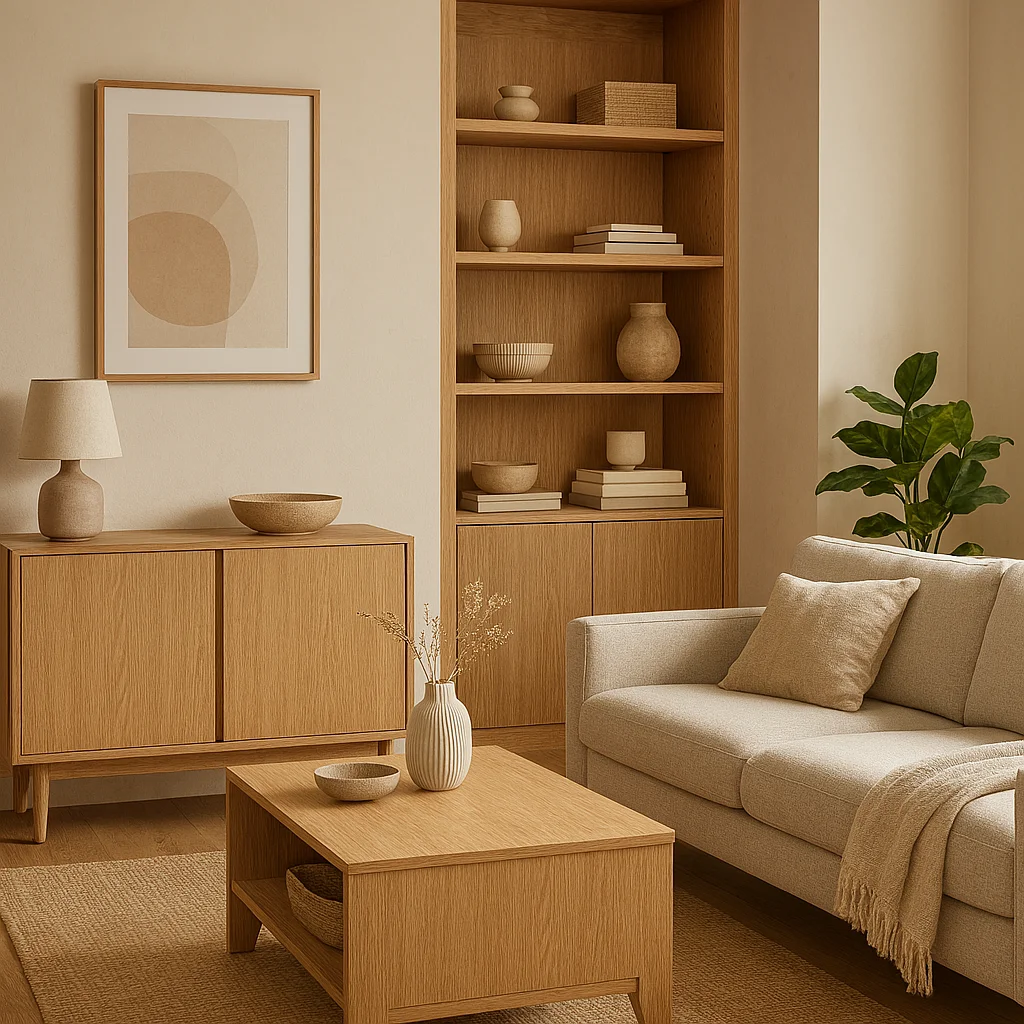
A clutter-free living room instantly feels more inviting and relaxing. Smart storage solutions help maintain order without sacrificing style. Furniture with built-in storage such as ottomans, coffee tables with drawers, or media units keeps everyday items out of sight.
Open shelving works well for displaying books and décor, but balance it with closed storage to avoid visual overload. Baskets and boxes are great for hiding remote controls, blankets, or magazines while adding texture to the room.
In smaller living rooms, vertical storage makes a big difference. Tall shelves and wall-mounted cabinets use height efficiently and free up valuable floor space.
9. Bring Life Indoors with Plants
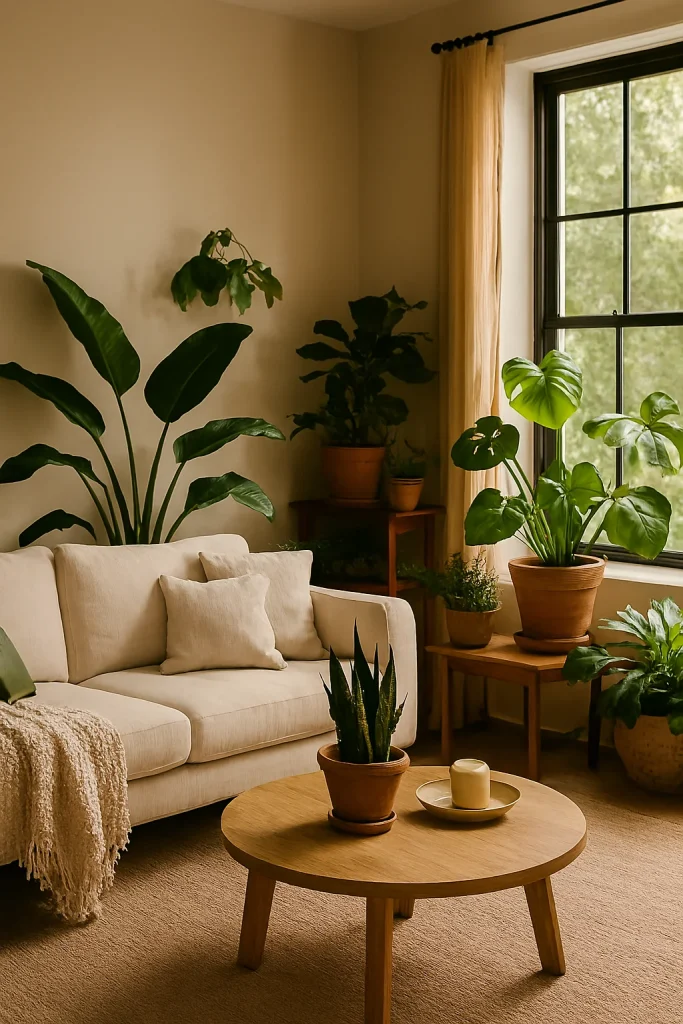
Plants instantly refresh a living room and make it feel more alive. They improve air quality, soften hard lines, and add a natural element that complements any design style.
Large indoor plants like fiddle-leaf figs or palms work well in corners or near windows, while smaller plants can be placed on shelves, side tables, or window sills. If natural light is limited, low-light plants or high-quality artificial greenery are practical alternatives.
Choose planters that match your overall design ceramic for modern spaces, woven baskets for bohemian interiors, or sleek metal pots for contemporary homes. Even a few well-placed plants can significantly enhance the atmosphere of your living room.
10. Create a Layout That Fits Your Lifestyle
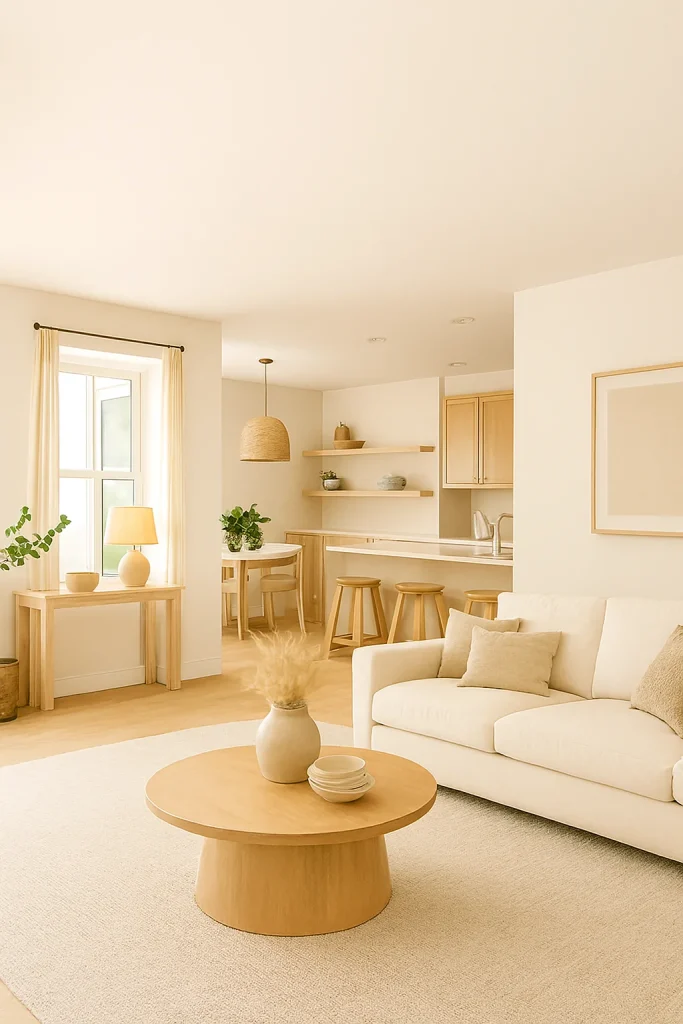
Ultimately, the best living room design is one that supports how you live. A beautiful space that doesn’t function well will quickly become frustrating. Think about how you use your living room daily. Is it mainly for relaxing, entertaining guests, watching TV, or spending time with family?
For entertainment-focused rooms, ensure clear sightlines to the television and comfortable seating. For social spaces, arrange furniture to encourage conversation rather than facing everything toward a screen. Families with children may prioritize durable materials and flexible layouts, while minimalist homeowners may prefer open space and fewer furnishings.
Don’t be afraid to experiment with furniture placement. Sometimes simply rearranging what you already have can make the room feel completely new and better suited to your lifestyle.
Final Thoughts
Designing a living room is about more than following trends it’s about creating a space that feels comfortable, welcoming, and personal. By thoughtfully combining color, furniture, lighting, texture, and décor, you can transform any living room into a place you truly enjoy spending time in.
These 10 Living Room Design Ideas offer a versatile framework that can be adapted to different tastes and home sizes. Whether you’re planning a full renovation or making small updates, focusing on balance, functionality, and personal expression will always lead to a successful living room design.
A well-designed living room isn’t just seen it’s felt. Take your time, trust your instincts, and create a space that reflects your lifestyle and makes every moment at home more enjoyable.