
Designing a child’s bedroom is one of the most exciting projects for parents. A well-designed kids’ room is more than just a place to sleep. It is a space where children learn, play, dream, create, and grow. The best kids’ rooms combine comfort, functionality, creativity, and style while adapting to a child’s changing needs.
If you’re looking for inspiration, these 10 Kids Room Interior Design ideas will help you create a space that is practical, beautiful, and filled with personality. Whether you’re decorating a nursery, a toddler’s room, or a bedroom for older children, these ideas can help transform any space into a magical retreat.
Why Kids Room Interior Design Matters
Children spend a significant amount of time in their rooms. Their bedroom often serves as a sleeping area, playroom, study zone, and creative space. Thoughtful design can encourage learning, improve organization, boost creativity, and provide a comfortable environment where children feel safe and happy.
A successful kids’ room should include:
- Comfortable sleeping arrangements
- Smart storage solutions
- Creative play areas
- Study and learning spaces
- Safe furniture and materials
- Personalized decorative elements
Let’s explore the best ways to achieve the perfect kids’ bedroom.
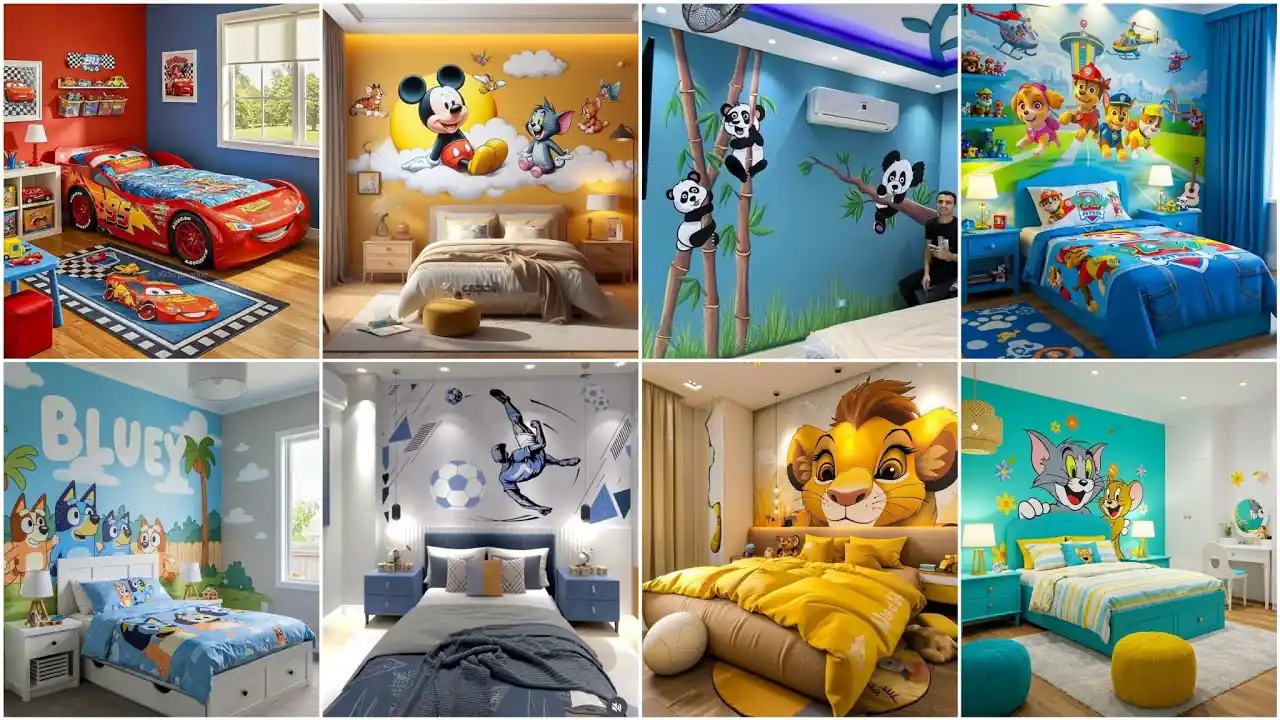
1. Create a Theme-Based Room Design
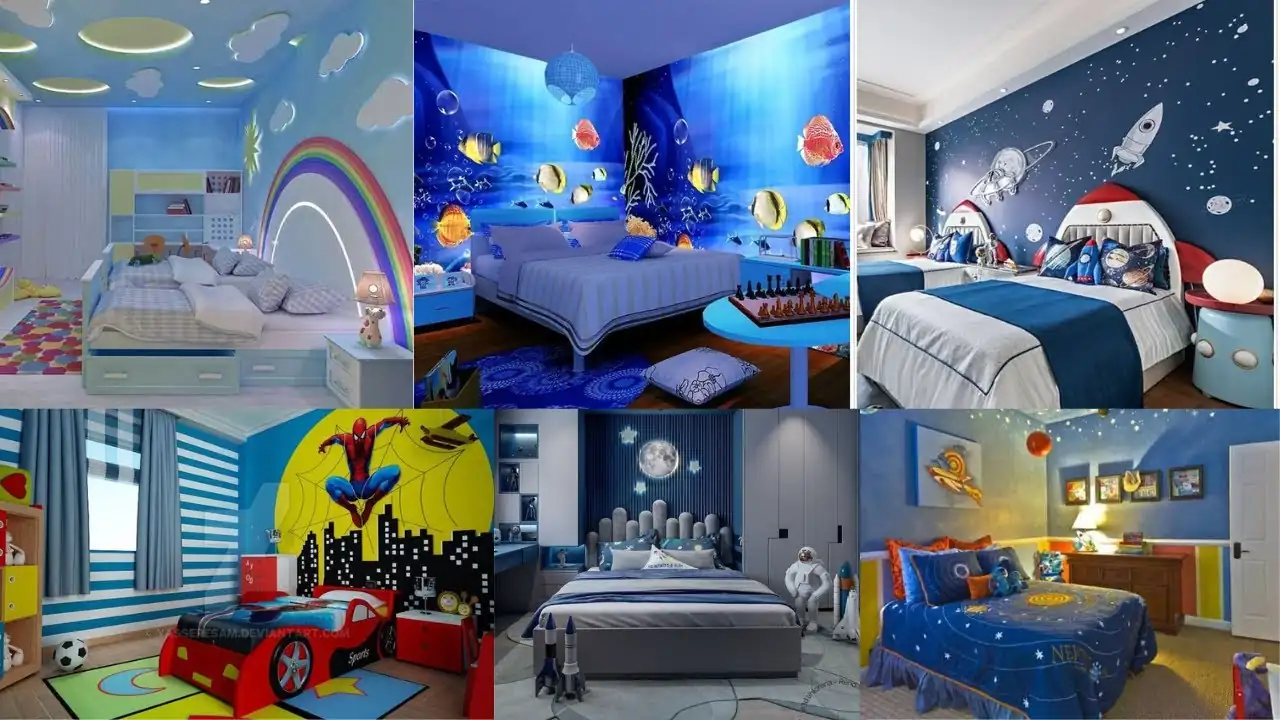
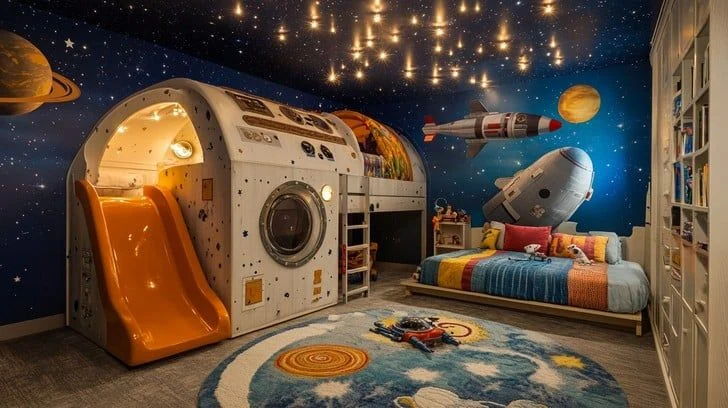
One of the most popular approaches to 10 Kids Room Interior Design is choosing a fun theme that reflects your child’s interests.
Popular themes include:
- Space adventures
- Jungle safari
- Underwater worlds
- Princess castles
- Superheroes
- Dinosaurs
- Fairy tales
- Sports themes
- Outer space exploration
A themed room doesn’t require expensive renovations. Simple additions such as wall decals, bedding, rugs, and artwork can completely transform the atmosphere.
The key is maintaining balance. Use the theme as inspiration without overwhelming the room with too many decorative elements.
2. Choose a Functional Layout
A well-planned room layout makes daily activities easier and keeps the space organized.
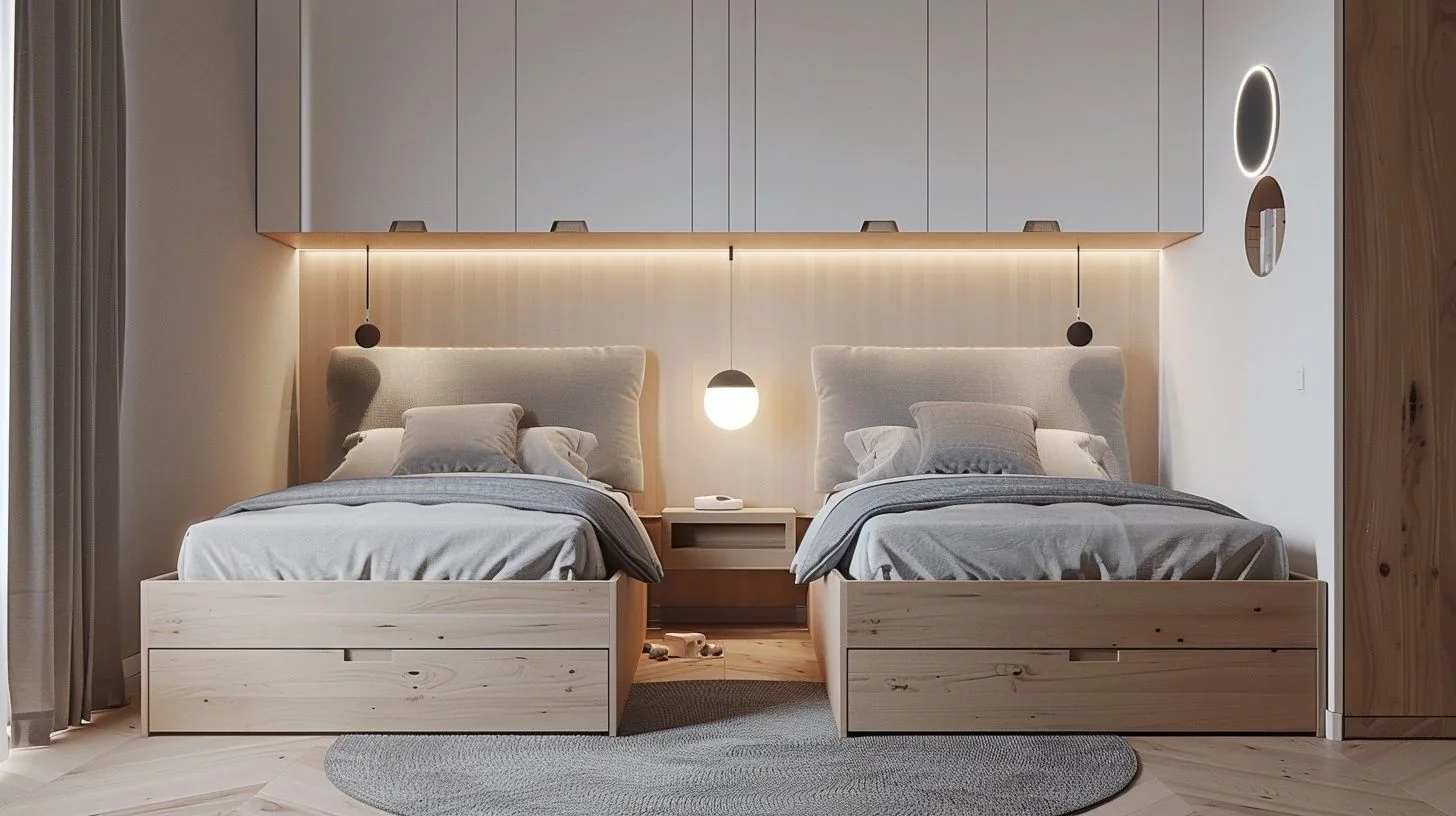
Divide the room into specific zones:
Sleeping Zone
Place the bed in a comfortable location away from excessive distractions.
Study Zone
Include a desk and chair with proper lighting for homework and creative projects.
Play Zone
Reserve an open area where children can safely play and explore.
Storage Zone
Provide accessible storage so children can learn organizational habits from an early age.
Creating clear zones helps maximize functionality while keeping the room neat and manageable.
3. Use Bright and Cheerful Colors
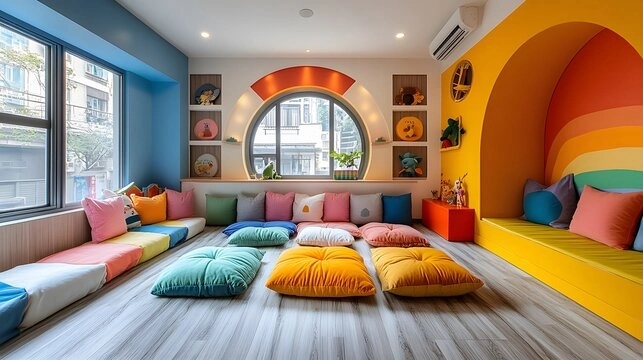
Color plays an important role in children’s room design. The right color palette can influence mood, creativity, and energy levels.
Popular color combinations include:
- Soft blue and white
- Pink and gray
- Yellow and white
- Mint green and beige
- Lavender and cream
- Navy blue and mustard
For younger children, bright colors often create excitement and playfulness. Older kids may prefer softer tones or more sophisticated color schemes.
Consider using neutral walls with colorful accessories. This approach makes future updates easier as your child grows.
4. Invest in Multi-Functional Furniture
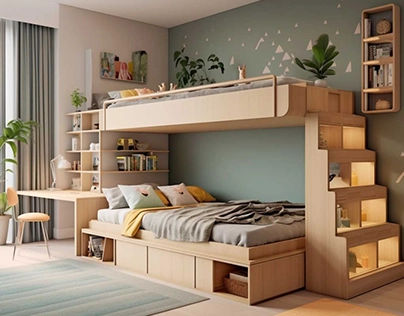
Children’s needs change quickly. Multi-functional furniture provides flexibility and long-term value.
Useful furniture options include:
Storage Beds
Beds with built-in drawers help reduce clutter while maximizing floor space.
Bunk Beds
Perfect for shared bedrooms or rooms with limited square footage.
Loft Beds
These elevate the sleeping area and create room underneath for desks, reading nooks, or play spaces.
Convertible Furniture
Furniture that adapts as children grow offers excellent practicality.
Multi-purpose furniture keeps rooms organized while making the most of available space.
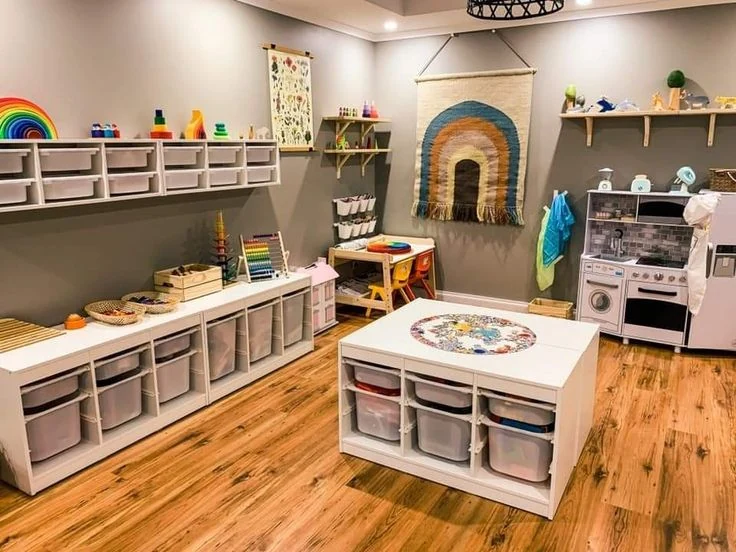
5. Add Creative Storage Solutions
Storage is one of the biggest challenges in any children’s room.
Smart storage ideas include:
- Open shelving
- Toy bins
- Storage baskets
- Under-bed containers
- Wall-mounted shelves
- Cube organizers
- Closet organizers
Labeling bins and baskets can encourage children to clean up independently.
Using colorful storage options also adds decorative appeal while keeping toys, books, and clothes organized.
6. Design a Fun Reading Corner
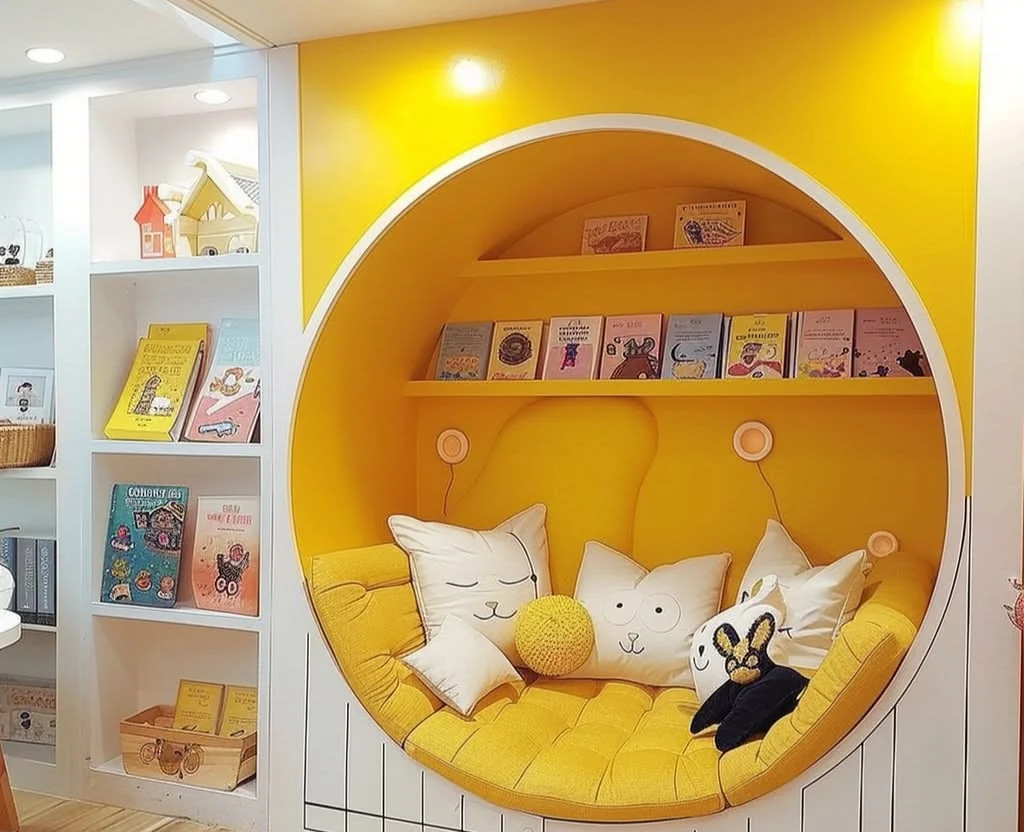
Encouraging reading habits starts with creating an inviting reading environment.
A reading nook can include:
- Comfortable bean bags
- Floor cushions
- Small bookshelves
- Cozy blankets
- Soft lighting
- Decorative pillows
Position the reading area near natural light whenever possible.
Children are more likely to enjoy books when they have a dedicated space designed specifically for reading and quiet time.
7. Incorporate Educational Elements
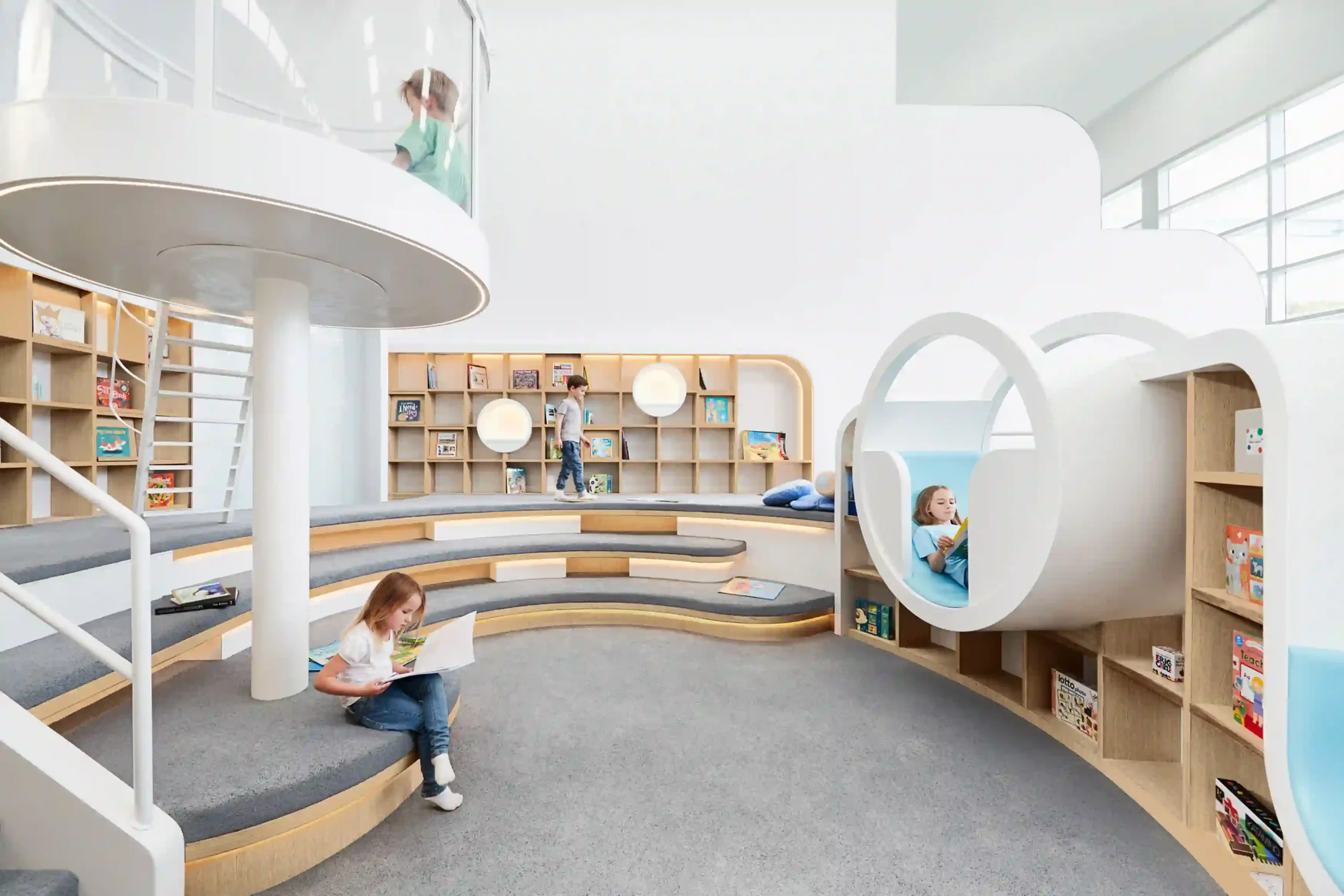
Modern 10 Kids Room Interior Design concepts often combine learning and play.
Educational features may include:
- World maps
- Alphabet wall art
- Number charts
- Science posters
- Interactive bulletin boards
- Educational wall decals
These elements make learning part of everyday life while maintaining a stylish appearance.
For older children, consider including a homework station with supplies, books, and organizational tools.
8. Create a Personalized Space
Every child has unique interests, hobbies, and preferences. Personalizing the room helps create a sense of ownership and comfort.
Ideas for personalization include:
Name Displays
Custom name signs or wall art add a special touch.
Gallery Walls
Display favorite artwork, photos, and achievements.
Hobby Displays
Showcase collections, sports equipment, musical instruments, or crafts.
Memory Boards
Create a space for photos, certificates, and special keepsakes.
Personal details transform a generic room into a meaningful space that reflects your child’s personality.
9. Focus on Safety and Durability
Safety should always be a top priority when designing a child’s room.
Important safety considerations include:
- Secure furniture to walls
- Use rounded furniture edges
- Install window safety locks
- Choose non-toxic paints
- Select durable materials
- Use slip-resistant rugs
Children are naturally active and curious, so durable furnishings can withstand daily wear and tear while maintaining their appearance.
Investing in quality materials often saves money in the long run by reducing replacements and repairs.
10. Incorporate Playful Decorative Features
Decorative elements bring imagination and fun into a child’s room.
Popular decorative ideas include:
Wall Murals
Large murals can create immersive environments that spark creativity.
Canopies
Bed canopies add charm and create cozy hideaways.
String Lights
Soft lighting creates a magical atmosphere.
Play Tents
Indoor tents encourage imaginative play and provide a private retreat.
Chalkboard Walls
These allow children to draw, write, and express creativity freely.
Playful decor helps transform an ordinary bedroom into a space filled with adventure and inspiration.
Designing Kids Rooms for Different Age Groups
Nursery Design
Nurseries should focus on comfort, safety, and convenience.
Essential elements include:
- Crib
- Changing station
- Rocking chair
- Soft lighting
- Gentle color palette
Toddler Room Design
Toddlers need accessible furniture and plenty of play space.
Consider:
- Low storage units
- Toddler beds
- Interactive wall decor
- Soft rugs
School-Age Kids Room Design
School-age children benefit from organized study areas and creative spaces.
Include:
- Study desk
- Bookshelves
- Hobby storage
- Comfortable seating
Teen Room Design
Teenagers often prefer more mature styles.
Focus on:
- Functional workspaces
- Personalized decor
- Flexible storage
- Comfortable lounge areas
Small Kids Room Interior Design Tips
Not every family has a large bedroom available for children. Fortunately, smart design can make even small rooms feel spacious.
Helpful ideas include:
Use Vertical Space
Install shelves and wall-mounted storage to free floor space.
Choose Light Colors
Light colors create an open and airy feeling.
Add Mirrors
Mirrors reflect light and make rooms appear larger.
Use Foldable Furniture
Foldable desks and chairs save valuable space.
Keep Decor Minimal
Avoid overcrowding the room with excessive furniture and accessories.
These techniques help maximize both functionality and comfort in compact bedrooms.
Trending Kids Room Design Styles
Scandinavian Style
Characterized by:
- Neutral colors
- Natural materials
- Minimalist furniture
- Functional layouts
Modern Style
Features include:
- Clean lines
- Simple decor
- Practical storage
- Contemporary furniture
Boho Style
Popular elements include:
- Layered textures
- Earthy tones
- Handmade decor
- Natural fibers
Coastal Style
Inspired by the beach with:
- Light blues
- White furniture
- Natural textures
- Relaxed atmosphere
Farmhouse Style
Offers warmth through:
- Wooden furniture
- Soft textiles
- Vintage-inspired accents
- Neutral color palettes
These styles can be adapted to suit children of all ages.
Budget-Friendly Kids Room Decorating Ideas
Creating a beautiful children’s room doesn’t require a huge budget.
Affordable ideas include:
- DIY wall art
- Peel-and-stick wallpaper
- Repurposed furniture
- Painted accent walls
- Handmade decorations
- Budget-friendly storage baskets
Shopping secondhand and updating existing furniture with fresh paint can dramatically reduce costs while maintaining style.
Common Kids Room Design Mistakes to Avoid
Avoid these common mistakes when designing a children’s bedroom:
Ignoring Storage Needs
Insufficient storage quickly leads to clutter.
Choosing Overly Trendy Themes
Children’s interests change rapidly.
Using Fragile Materials
Kids need durable furnishings that can withstand daily use.
Poor Lighting
Layered lighting is essential for studying, playing, and relaxing.
Overcrowding the Space
Leave plenty of open floor space for movement and play.
By avoiding these mistakes, you’ll create a room that remains functional and attractive for years.
Final Thoughts
Creating the perfect children’s bedroom requires balancing functionality, comfort, creativity, and safety. These 10 Kids Room Interior Design ideas provide practical inspiration for designing a space where children can sleep peacefully, learn effectively, and play happily.
From themed decor and multi-functional
furniture to personalized touches and smart storage solutions, every design choice contributes to a room that supports your child’s development and well-being.
The best kids’ rooms grow alongside children, adapting to changing interests and needs while remaining stylish and practical. Whether you’re redesigning a nursery, updating a toddler’s room, or creating a dream bedroom for older children, these ideas can help you build a space that inspires imagination and creates lasting memories.