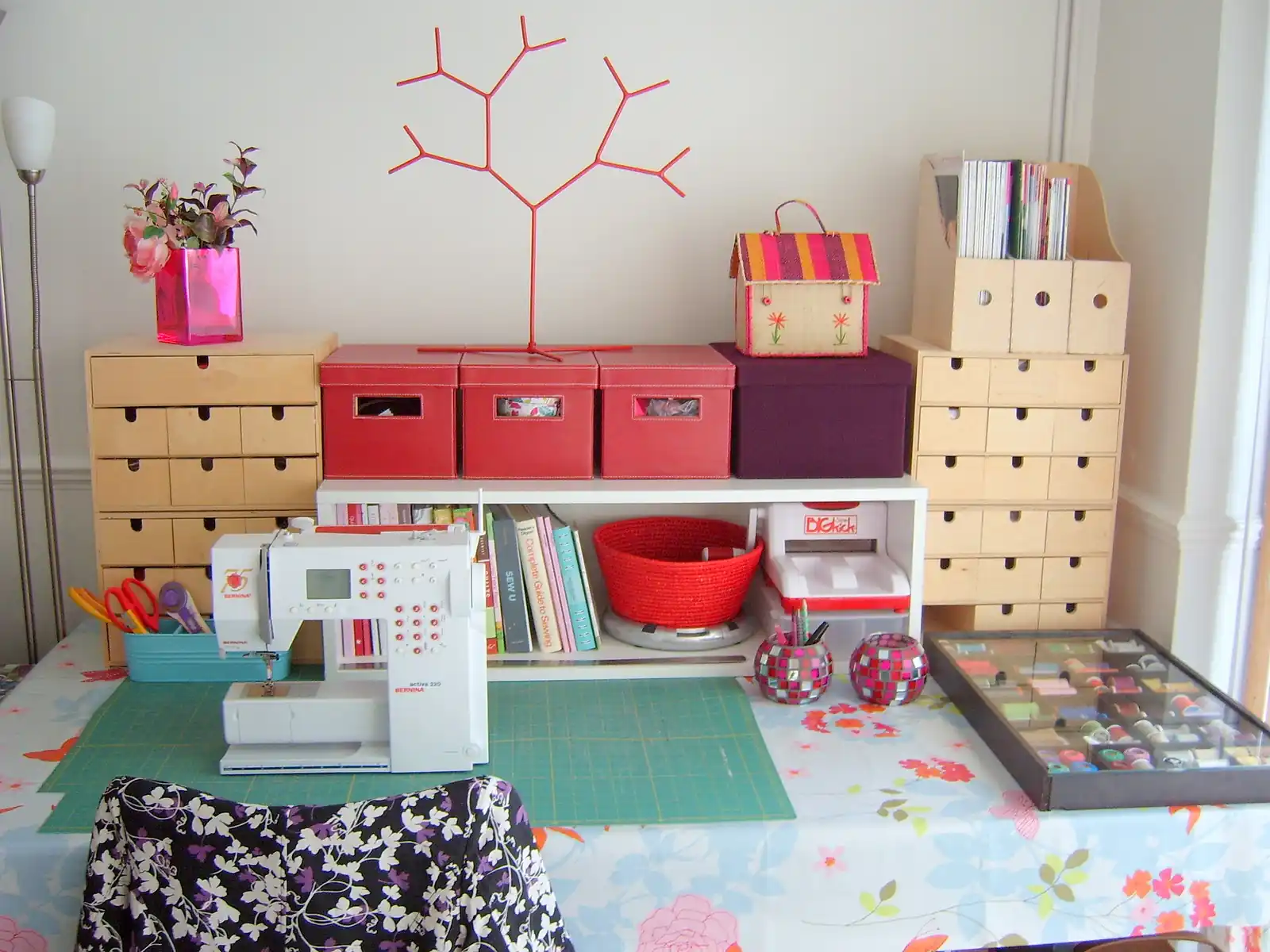
Creating a dedicated sewing space can completely transform your crafting experience. Whether you are a beginner learning basic stitching or an experienced seamstress working on complex projects, having an organized and inspiring workspace makes sewing more enjoyable and productive. A well-designed sewing room helps keep your supplies organized, improves focus, and sparks creativity.
In this guide, we’ll explore 10 Sewing Room Ideas that will help you design a stylish, practical, and inspiring space. These ideas work for both large craft rooms and small corners in your home, so you can create the perfect sewing setup no matter how much space you have.
1. Create a Dedicated Sewing Corner
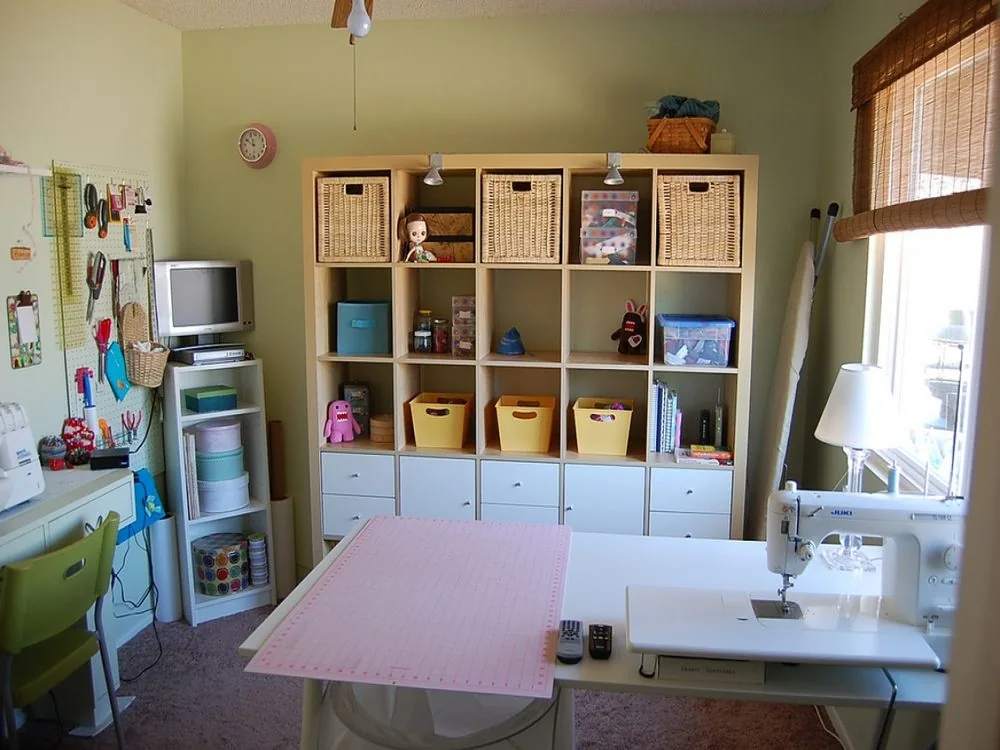 Not everyone has an entire room available for sewing, and that’s perfectly fine. One of the easiest sewing room ideas is to create a dedicated sewing corner in an existing room such as a bedroom, living room, or home office.
Choose a small table or desk where your sewing machine can stay permanently set up. This saves time because you don’t have to assemble everything each time you want to sew.
To make your sewing corner more functional:
-
Use a small rolling cart to store tools and fabric.
-
Hang a pegboard on the wall for scissors, rulers, and thread.
-
Add a comfortable chair that supports long sewing sessions.
-
Keep a small lamp for proper lighting.
Even a small corner can become a productive sewing space with a little creativity and organization.
2. Use Smart Storage Solutions
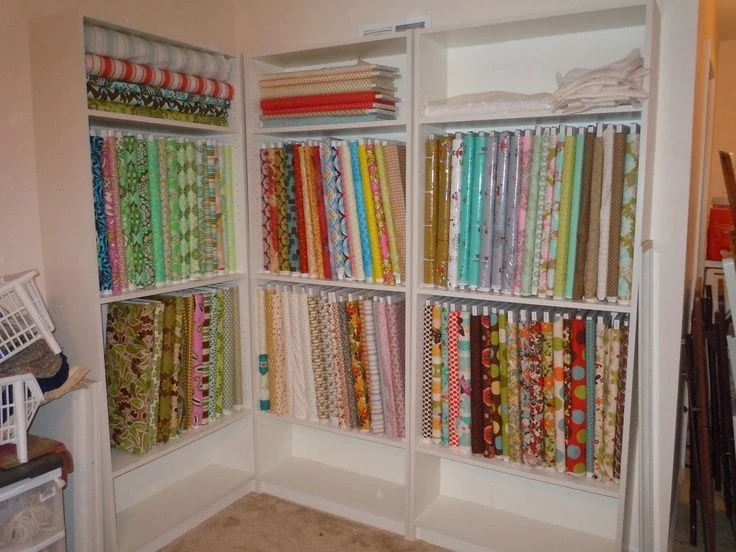 Storage is one of the most important aspects of any sewing room. Fabrics, threads, scissors, patterns, and tools can easily create clutter if they are not properly organized.
One of the best 10 Sewing Room Ideas is to use smart storage systems that keep everything visible and accessible.
Here are a few storage ideas:
-
Clear plastic bins for fabric
-
Drawer organizers for small tools
-
Wall shelves for decorative storage boxes
-
Thread racks mounted on the wall
-
Storage cubes for patterns and books
Labeling your containers can also make it easier to find what you need quickly. A well-organized sewing room allows you to spend more time creating and less time searching for supplies.
3. Add a Large Cutting Table
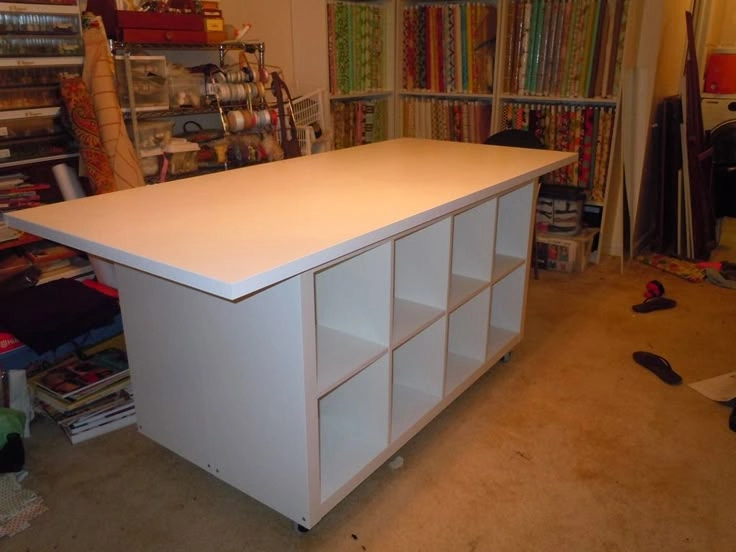 If you frequently work with fabric, having a dedicated cutting table can be a game changer. Cutting fabric on the floor or a small desk can be uncomfortable and inefficient.
A cutting table should ideally be:
-
Wide enough for large fabric pieces
-
Tall enough to prevent back strain
-
Positioned near your sewing machine
Many people use repurposed furniture such as dining tables, craft tables, or adjustable desks as cutting stations.
You can also add storage baskets underneath the table to store fabric rolls or cutting mats. This setup helps keep your workflow smooth and organized.
4. Organize Fabric by Color or Type
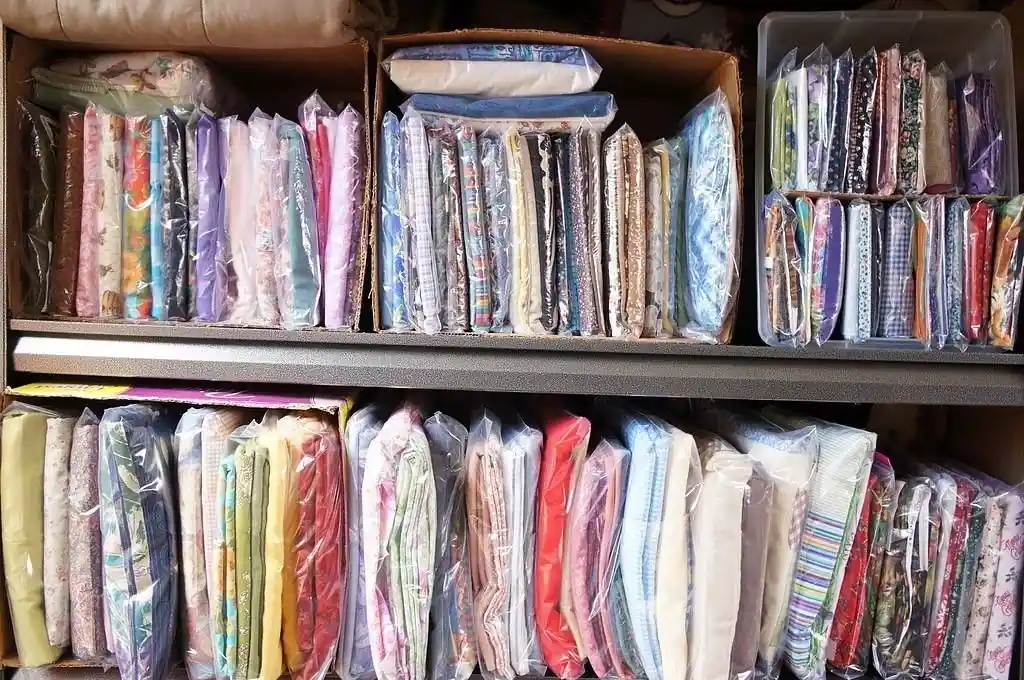 Fabric collections can grow quickly, and without proper organization they can become overwhelming. One of the most visually pleasing sewing room ideas is to organize your fabric by color.
Not only does this look beautiful, but it also makes it easier to find the perfect fabric for your project.
You can organize fabric in several ways:
-
Folded fabric stacked on shelves
-
Fabric wrapped around comic boards
-
Clear bins labeled by fabric type
-
Hanging fabric organizers
Color-coded fabric storage also turns your sewing supplies into a decorative element in your room.
5. Install a Pegboard Wall
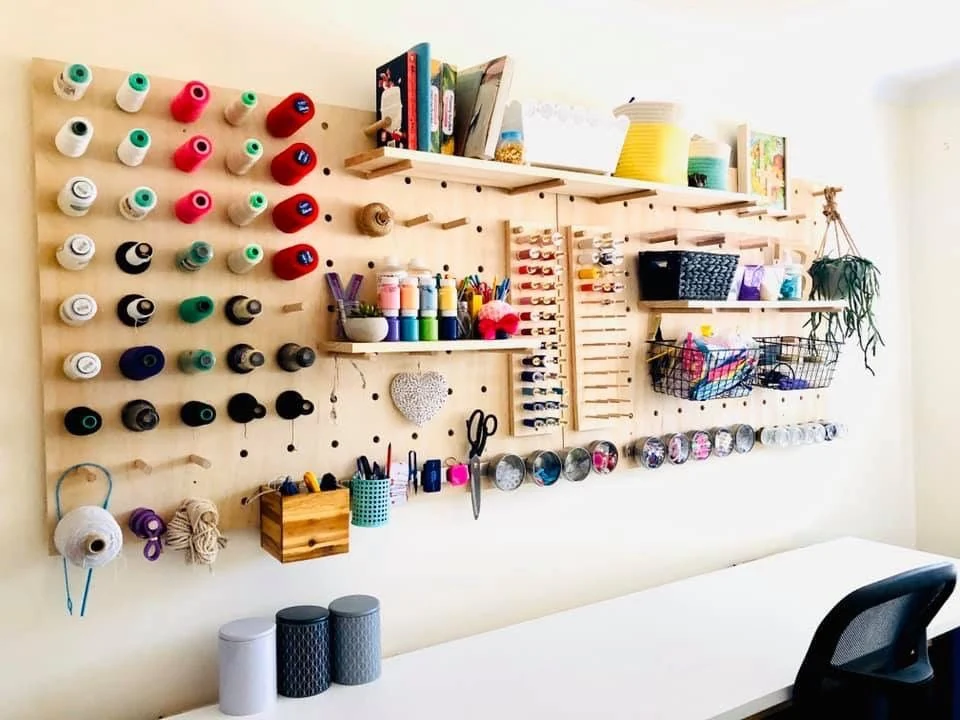 A pegboard wall is one of the most practical sewing room organization solutions. It keeps your most frequently used tools visible and easy to reach.
Pegboards are extremely customizable, allowing you to rearrange hooks, baskets, and shelves whenever needed.
You can hang items like:
-
Scissors
-
Rotary cutters
-
Measuring tapes
-
Rulers
-
Thread spools
-
Small baskets for buttons and clips
Another great benefit of pegboards is that they help free up desk space while keeping tools within arm’s reach.
6. Create a Comfortable Sewing Station
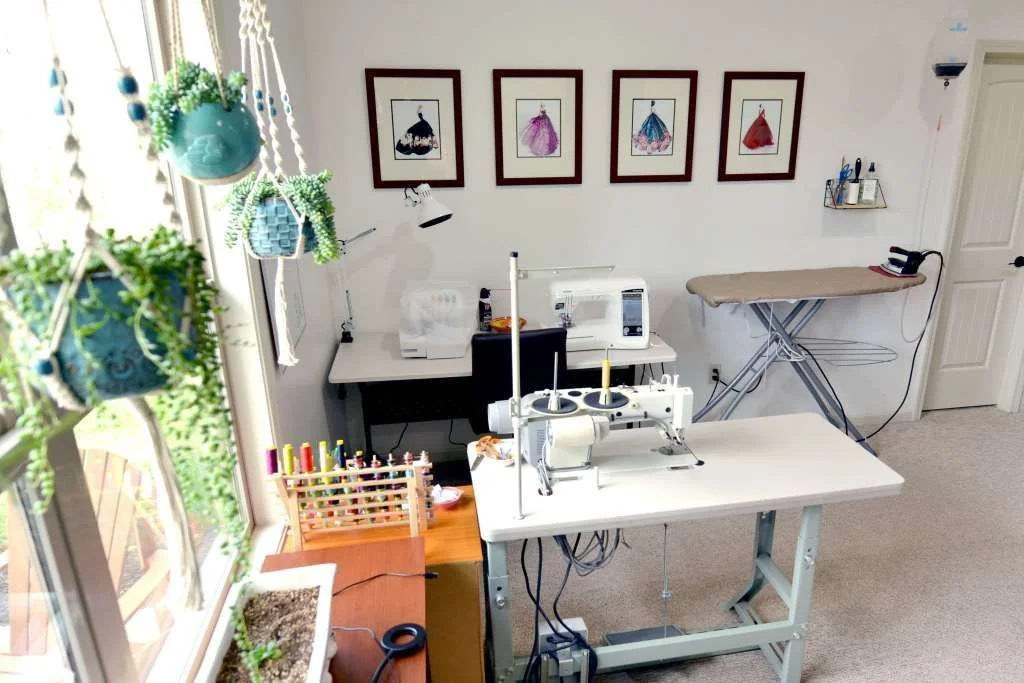 Your sewing machine is the centerpiece of your sewing room, so it’s important to create a comfortable and ergonomic sewing station.
A good sewing station should include:
-
A sturdy desk or sewing cabinet
-
A supportive chair
-
Good lighting
-
Easy access to tools
Adjust your chair height so your arms rest comfortably while guiding fabric through the machine.
You may also want to add a small side table for tools like scissors, pins, and thread. This setup improves efficiency and reduces strain during long sewing sessions.
7. Use Wall Shelves for Vertical Storage
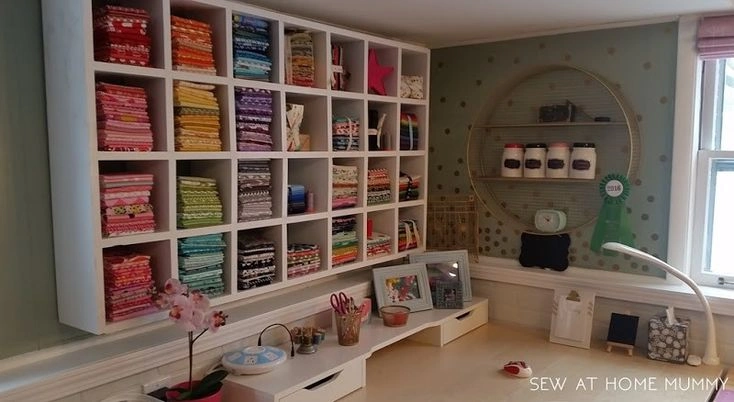 Vertical storage is extremely helpful when designing a sewing room, especially if your space is small. Wall shelves allow you to store supplies without taking up valuable floor space.
Some items you can store on shelves include:
-
Fabric baskets
-
Sewing books
-
Decorative storage boxes
-
Pattern folders
-
Craft containers
Floating shelves also add visual interest and can help make your sewing room feel more organized and stylish.
Combining shelves with decorative baskets creates a tidy yet aesthetically pleasing sewing space.
8. Add Inspiring Decor
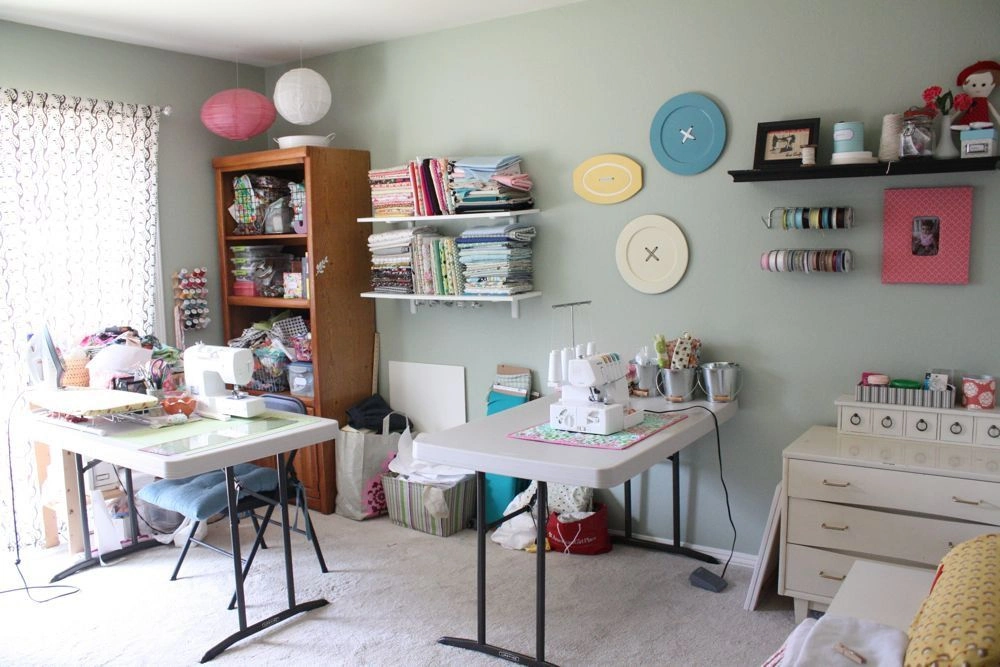 Your sewing room should be a space that motivates you to create. Adding personal decor can make the room feel more inviting and inspiring.
Consider decorating with:
-
Framed sewing quotes
-
Handmade quilts
-
Colorful thread displays
-
Inspirational mood boards
-
Plants or flowers
A creative environment encourages productivity and makes your sewing projects more enjoyable.
Many crafters also add pin boards or inspiration walls where they can display fabric swatches, sketches, or project ideas.
9. Create a Pattern Organization System
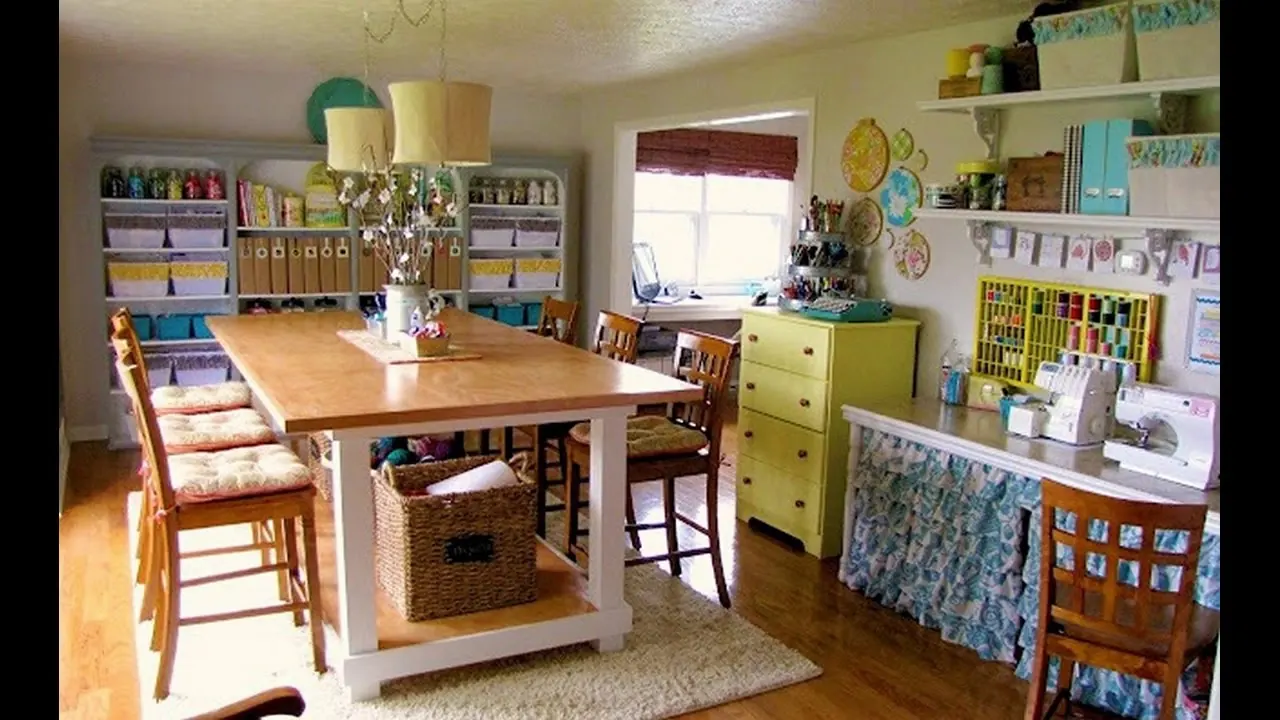 Sewing patterns can quickly pile up if they are not organized properly. A simple pattern storage system helps keep your sewing room tidy.
Here are a few pattern organization ideas:
-
Store patterns in labeled folders
-
Use magazine holders for easy sorting
-
Keep patterns in filing cabinets
-
Store digital patterns in organized folders on your computer
Sorting patterns by category such as dresses, tops, or home decor projects can also make it easier to find what you need.
Good organization helps prevent duplicate purchases and saves valuable time during project planning.
10. Design a Multi-Purpose Craft Space
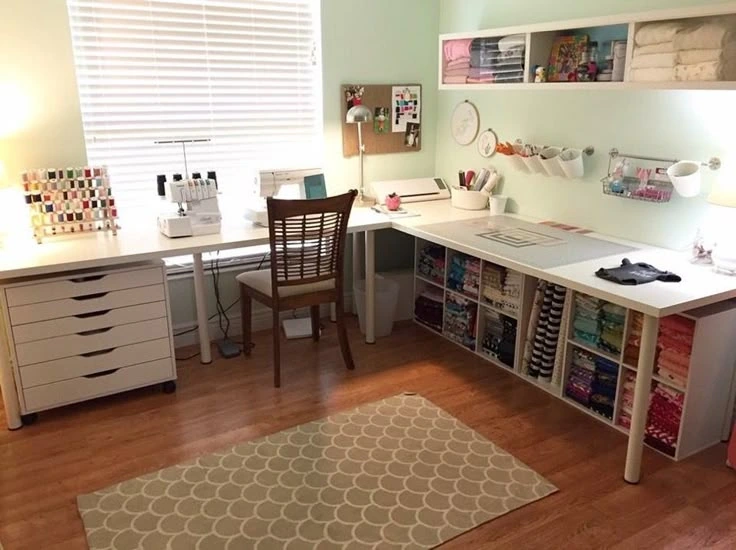 If your sewing room also serves as a craft room, office, or hobby space, you can design a multi-purpose setup that supports different creative activities.
This type of space may include:
-
A sewing machine station
-
A cutting table
-
Storage for craft supplies
-
A workspace for designing patterns
-
Shelves for tools and materials
Using modular furniture such as rolling carts and foldable tables can make it easier to adapt the space for different projects.
A multi-purpose craft room allows you to explore creativity in many ways while keeping everything organized.
Tips for Designing the Perfect Sewing Room
Now that we’ve covered 10 Sewing Room Ideas, here are some additional tips to help you design a functional and beautiful sewing space.
Prioritize Lighting
Good lighting is essential for sewing. Natural light is ideal, but you should also use task lighting such as desk lamps or LED sewing lights to reduce eye strain.
Keep Frequently Used Tools Nearby
Items like scissors, pins, measuring tape, and thread should always be within easy reach.
Maintain Organization
Set aside time regularly to clean and reorganize your sewing space. This helps maintain productivity and keeps your room clutter-free.
Invest in Comfortable Furniture
Comfortable seating and a proper work surface can make a big difference when working on long sewing projects.
Final Thoughts
Designing the perfect sewing space doesn’t require a large room or expensive furniture. With a little creativity and organization, you can create a sewing area that is both beautiful and highly functional.
These 10 Sewing Room Ideas can help you transform any space into a productive craft environment. From smart storage solutions to inspiring decor, every element of your sewing room should support your creativity and workflow.
Whether you dedicate an entire room to sewing or simply set up a small corner in your home, a well-designed sewing space makes crafting more enjoyable and efficient.
Start implementing these ideas today and turn your sewing area into the creative studio you’ve always dreamed of.