10 Sewing Room Ideas
Creating a dedicated space for sewing can completely transform the way you work, design, and create. Whether you have an entire room to spare or just a cozy corner in your home, the right setup can boost productivity, improve organization, and make your creative time more enjoyable. In this guide, we’ll explore 10 Sewing Room Ideas that combine functionality, comfort, and style to help you design a space that truly inspires.
1. Create a Functional Layout That Works for You
The foundation of any great sewing space is a smart layout. Before purchasing furniture or organizing supplies, consider how you move while working. Do you frequently switch between your sewing machine, cutting table, and ironing station? If so, arrange these areas in a triangle layout to minimize unnecessary steps.
Place your sewing machine near natural light if possible. Keep your cutting surface spacious and clutter-free. If your room is small, consider foldable or wall-mounted tables that can be tucked away when not in use. A well-planned layout makes even the smallest room feel efficient and organized.

2. Invest in a Large Cutting Table
One of the most practical sewing room upgrades is a dedicated cutting table. Having enough surface area to spread out fabric makes measuring and cutting easier and more accurate.
If space allows, choose a table that’s counter height to reduce strain on your back. Storage underneath the cutting table is a bonus add baskets, drawers, or cubbies to store fabric, rulers, and cutting mats. In smaller spaces, a fold-out or extendable table works beautifully.

3. Maximize Storage with Vertical Solutions
When floor space is limited, think vertically. Wall-mounted shelves, pegboards, and cabinets can store supplies while keeping them within easy reach.
Pegboards are especially useful for organizing scissors, rulers, thread spools, and rotary cutters. Clear containers help you see what you have at a glance. Labeling bins and drawers saves time and reduces frustration during projects.
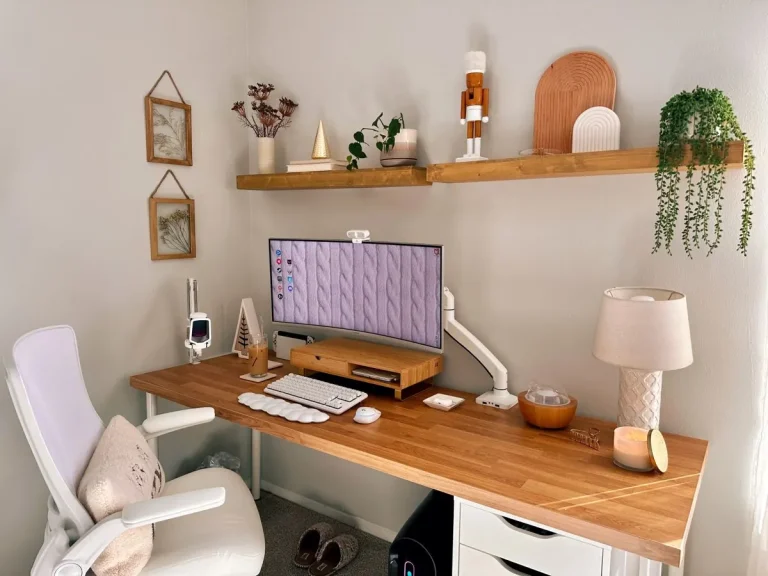
Floating shelves above your sewing desk can hold decorative storage boxes, pattern books, and folded fabrics while adding visual interest to the room.

4. Organize Fabric Like a Boutique Display
Fabric is often the most beautiful part of a sewing room, so why hide it? Arrange folded fabrics by color to create a rainbow effect that doubles as décor. Open shelving or cube organizers make it easy to see your collection.
For smaller scraps, use clear bins or labeled drawers. You can also roll fabric onto comic book boards to keep pieces neat and uniform in size. Not only does this keep your sewing room tidy, but it also sparks inspiration every time you walk in.

5. Design a Comfortable Sewing Station
Comfort is key when spending hours on detailed projects. Choose an ergonomic chair with adjustable height and good lumbar support. Your sewing machine table should allow your arms to rest comfortably at a 90-degree angle.
Good lighting is essential. Combine natural light with task lighting such as adjustable desk lamps or LED light strips. Proper lighting reduces eye strain and improves stitch accuracy.
Adding a soft rug underfoot can make long sessions more comfortable while also reducing noise from foot pedals.

6. Incorporate Smart Storage for Small Tools
Small tools can quickly create clutter if not properly organized. Keep frequently used items like seam rippers, measuring tapes, pins, and marking tools in small containers or drawer organizers.
Magnetic strips can hold metal tools securely. Clear jars work well for buttons and clips. Divided trays inside drawers help separate tiny notions so they don’t get mixed up.
Keeping your tools organized ensures your creative flow isn’t interrupted by searching for supplies.

7. Add a Dedicated Ironing Station
Ironing is a crucial part of sewing, yet it’s often overlooked when designing a sewing room. If possible, include a fold-down ironing board or a small pressing station.
A wall-mounted ironing board saves space and can be tucked away when not in use. Store your iron, spray bottles, and pressing tools nearby for convenience. Having a dedicated ironing area makes your workflow smoother and keeps your sewing table free from clutter.

8. Create a Pattern and Project Organization System
Patterns and unfinished projects can quickly pile up. Keep printed patterns in labeled binders or file folders. Clear envelopes are great for storing pattern pieces together.
For ongoing projects, use project bins or baskets. Keep all materials fabric, thread, pattern, and notes in one container so you can easily resume work later.
A bulletin board or whiteboard can help track project deadlines, ideas, and measurements.

9. Personalize with Inspiring Décor
Your sewing room should reflect your personality. Add framed fabric swatches, inspirational quotes, or artwork that motivates you. Decorative pin cushions, colorful storage boxes, and coordinated curtains can tie the room together.
Plants add freshness and improve air quality. Even a small desk plant can make the room feel lively and inviting. When your space feels beautiful and personal, you’ll be more excited to spend time creating.

10. Design a Multi-Purpose Sewing Room
If you don’t have an entire room dedicated to sewing, consider creating a multi-purpose space. A guest room, home office, or spare corner can easily double as a sewing area.
Use furniture that serves multiple functions, such as a desk that acts as both workspace and vanity. Storage cabinets with doors can conceal sewing supplies when not in use. Foldable tables and rolling carts allow flexibility.
The key is to keep everything organized and easily accessible while maintaining the room’s overall aesthetic.

Additional Tips to Elevate Your Sewing Space
While these 10 Sewing Room Ideas provide a strong foundation, small details can make a big difference.
Use Rolling Carts for Flexibility
Rolling carts are perfect for storing thread, tools, or current projects. They can be moved around the room as needed and tucked away afterward.
Keep Frequently Used Items Within Reach
Position everyday tools near your sewing machine. Reserve higher shelves for less frequently used supplies.
Maintain a Cleaning Routine
Dust and thread buildup can accumulate quickly. Schedule regular cleaning to keep your space fresh and your sewing machine functioning properly.
Plan for Growth
As your skills improve, your supply collection may grow. Leave some storage space open for future additions.
Small Sewing Room Ideas for Limited Spaces
Not everyone has the luxury of a large craft room. However, even small spaces can be transformed into efficient sewing areas.
-
Use wall-mounted fold-down desks.
-
Install floating shelves above your workspace.
-
Store fabric in vacuum-sealed bags under the bed.
-
Choose light paint colors to make the room feel larger.
-
Use mirrors to reflect light and create the illusion of space.
A compact sewing room can still be stylish and highly functional with smart planning.
Budget-Friendly Sewing Room Makeover Tips
You don’t need a huge budget to create a beautiful sewing space. Consider these cost-effective ideas:
-
Repurpose old furniture as sewing tables.
-
Use mason jars and recycled containers for storage.
-
Paint existing shelves for a fresh look.
-
Shop second-hand stores for cabinets and desks.
-
DIY pegboards and fabric-covered bulletin boards.
Creativity doesn’t just apply to sewing—it applies to decorating your space too.
Lighting Ideas for Better Sewing
Lighting can make or break your sewing experience. Combine overhead lighting with focused task lights. LED bulbs that mimic daylight are ideal for color accuracy.
Clip-on lamps and under-cabinet lighting strips are affordable options. If possible, position your sewing desk near a window to maximize natural light during the day.
Color Schemes for Sewing Rooms
Soft neutrals create a calming environment, while bright colors add energy. Popular choices include:
-
White and pastel combinations for a clean look.
-
Gray and blush for modern elegance.
-
Turquoise and yellow for vibrant creativity.
-
Classic black and white for a chic feel.
Choose colors that inspire you and complement your fabric collection.
Final Thoughts on 10 Sewing Room Ideas
Designing your ideal sewing space is about blending practicality with personality. These 10 Sewing Room Ideas can help you build a room that supports your creativity while keeping everything organized and efficient.
Whether you have a large dedicated studio or a small corner in your home, thoughtful planning can transform your sewing experience. Focus on smart storage, comfortable seating, good lighting, and personalized décor.
Your sewing room should be a place where ideas flow freely and projects come to life. With the right setup, every stitch becomes part of a joyful, inspiring journey.