
Mosaic art has been around for thousands of years, yet it continues to feel fresh, modern, and endlessly creative. From ancient Roman floors to contemporary home décor, mosaics bring texture, color, and personality into any space. The best part is that you don’t need to be a professional artist to start many mosaic projects rely on simple patterns and easy-to-learn techniques.
In this guide, we’ll explore 11 mosaic design ideas & easy patterns that you can try at home, whether you’re decorating a wall, table, planter, mirror frame, or even small craft items. Each idea is beginner-friendly but can also be expanded into more advanced designs as your skills grow.
1. Classic Geometric Mosaic Pattern
Geometric mosaics are one of the easiest and most popular starting points. They rely on repeating shapes like squares, triangles, diamonds, and hexagons. Because the structure is predictable, it’s perfect for beginners who are learning how to place tiles evenly.
You can use a simple color palette like black, white, and grey for a modern look, or mix bright colors for a more vibrant style. This pattern works beautifully on tabletops, kitchen backsplashes, or even small wall panels.
To create this design, sketch a grid first. Then fill each section with contrasting tile colors to form a balanced rhythm. The key is consistency in spacing and alignment.

2. Floral Mosaic Design
Floral designs bring softness and natural beauty into mosaic art. They often feature petals, leaves, and vines arranged in circular or flowing compositions.
Start with a simple flower shape in the center and gradually expand outward. Glass tiles or ceramic pieces in shades of green, red, yellow, and blue work well for floral mosaics.
This design is especially popular for garden décor, stepping stones, and decorative wall art. Even beginners can create beautiful results by keeping flower shapes simple and symmetrical.

3. Abstract Freeform Mosaic
If you prefer a more creative and less structured approach, abstract mosaics are perfect. There are no strict rules just patterns of color, shape, and texture that flow naturally.
Break tiles into irregular pieces and place them in a way that feels visually balanced rather than perfectly aligned. This is a great way to use leftover tiles from other projects.
Abstract mosaics work well in modern interiors, especially for feature walls or art panels. The beauty lies in imperfection and spontaneity.

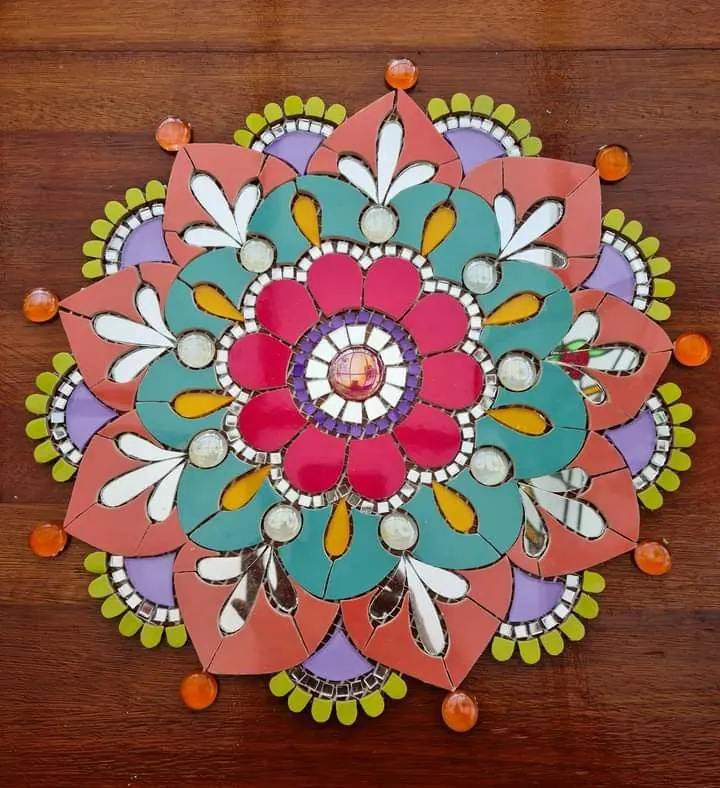
4. Mosaic Mandala Design
Mandala patterns are circular designs that radiate from a central point. They are deeply symmetrical and often used for meditation-inspired art.
To create a mosaic mandala, begin with a central tile or motif. Then build layers of repeating shapes around it, using different colors to define each ring.
This design requires patience but produces stunning results. It’s ideal for tabletops, wall hangings, or even outdoor stone art.
5. Nature-Inspired Leaf Pattern
Leaf mosaics are simple yet elegant. They focus on organic shapes like leaves, branches, and vines. These patterns often use shades of green combined with earthy tones like brown and beige.
You can create a single large leaf as a focal point or design a flowing vine that stretches across a surface. This style works well in bathrooms, patios, and garden areas.
The key is to vary the tile sizes slightly to mimic the natural irregularity of real leaves.

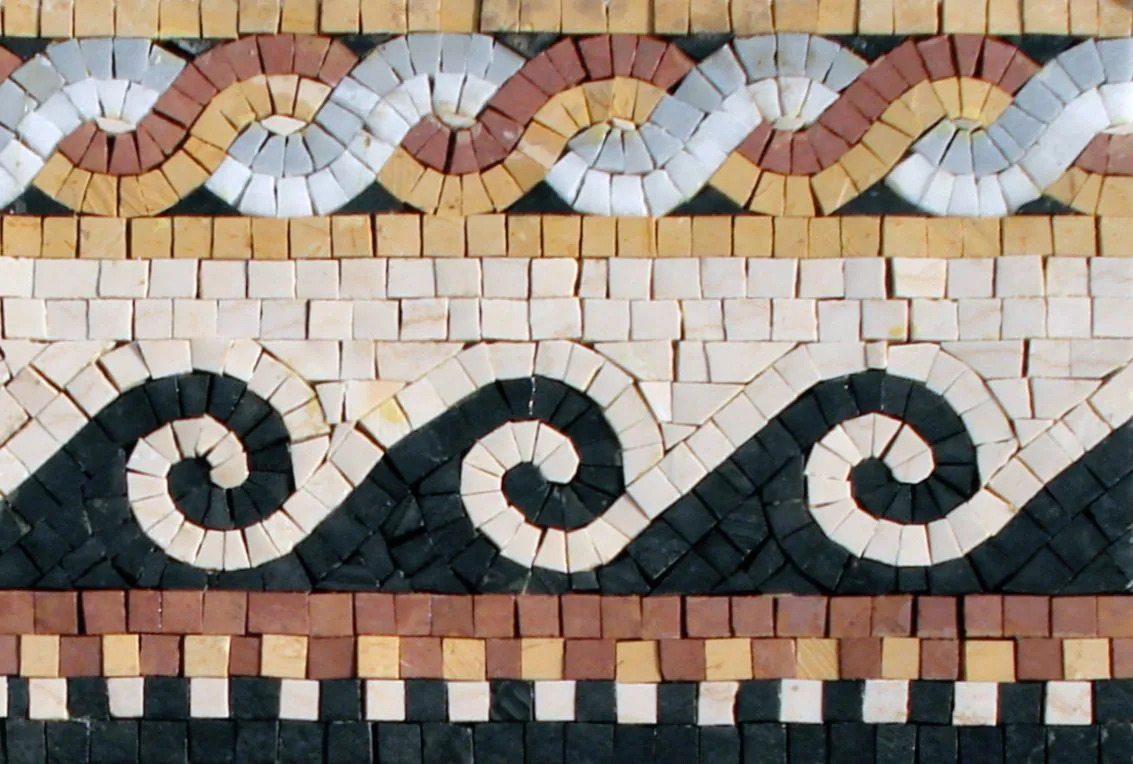
6. Mosaic Border Design
Border mosaics are perfect if you want to enhance existing surfaces without covering everything. This design involves creating decorative edges around mirrors, tables, door frames, or shelves.
You can use repeating patterns like waves, zigzags, or simple color blocks. Borders are also a great way to practice precision because they require neat alignment along edges.
This is one of the easiest mosaic techniques for beginners because it doesn’t require filling large surfaces.
7. Sunburst Mosaic Pattern
The sunburst pattern is bold and eye-catching. It features rays extending outward from a central point, resembling the sun.
To create this effect, choose a bright center color like yellow or gold, then arrange tiles outward in radiating lines. Gradually shift to lighter or darker shades to create depth.
This design works beautifully as a wall centerpiece or outdoor patio decoration. It adds energy and warmth to any space.

8. Checkerboard Mosaic Style
The checkerboard pattern is simple, structured, and timeless. It alternates between two contrasting colors, such as black and white, blue and cream, or red and grey.
It’s one of the easiest mosaic designs because it follows a strict grid system. You can apply it to floors, countertops, or decorative trays.
To make it more interesting, you can experiment with different tile textures or slightly uneven edges for a handcrafted feel.

9. Ocean Wave Mosaic Design
Inspired by the movement of water, ocean wave mosaics use flowing curves and gradients of blue, turquoise, and white.
Instead of straight lines, tiles are arranged in wave-like formations that mimic the sea. This design requires a bit more planning but still remains beginner-friendly.
It’s especially popular for bathrooms, swimming pool areas, and coastal-themed interiors. Adding glass or glossy tiles enhances the watery effect.

10. Mosaic Animal Silhouettes
Animal silhouettes are creative and fun mosaic projects that allow you to combine art and personality. Common choices include birds, butterflies, fish, or cats.
Start by sketching the outline of the animal, then fill it with small mosaic tiles. You can either use a single color for a minimalist look or multiple shades for texture and depth.
This design is great for wall décor, garden art, or personalized gifts.

11. Random Color Splash Mosaic
This design focuses on energy and creativity. Instead of following a strict pattern, you place colorful tiles randomly while maintaining overall balance.
Think of it as controlled chaos colors are distributed evenly, but the shapes and placements are unpredictable.
This style is perfect for modern art pieces, creative home accents, or kids’ DIY projects. It’s also a great way to use leftover tile pieces from other designs.

Tips for Beginners Working on Mosaic Projects
Before starting your mosaic journey, keep a few essential tips in mind:
- Always plan your design on paper first
- Use proper adhesive suitable for your surface
- Wear gloves when handling sharp tile edges
- Start with small projects before moving to large surfaces
- Let each section dry completely before grouting
These simple steps will help you avoid common mistakes and improve your results significantly.
Choosing the Right Materials
Mosaic art allows a wide range of materials. Some popular choices include:
- Ceramic tiles
- Glass pieces
- Broken pottery
- Natural stones
- Beads and mirror fragments
Each material creates a different texture and visual effect. Glass gives a shiny modern look, while stone offers a rustic and natural feel. Mixing materials can also add depth and uniqueness to your design.
Where to Use Mosaic Designs in Your Home
Mosaic art is incredibly versatile and can be used in many spaces:
- Kitchen backsplashes
- Bathroom walls
- Garden stepping stones
- Coffee tables
- Picture frames
- Outdoor patios
Even small mosaic accents can transform the feel of a space, making it more artistic and personalized.
Final Thoughts
Mosaic art is a perfect blend of creativity, patience, and design. Whether you prefer structured geometric patterns or free-flowing abstract styles, there is always a mosaic technique that fits your taste and skill level.
These 11 mosaic design ideas & easy patterns offer a strong starting point for beginners and inspiration for more experienced artists. With just a few materials and some imagination, you can turn ordinary surfaces into beautiful, handcrafted works of art.
As you practice, you’ll discover your own style and develop confidence in combining colors, shapes, and textures. Mosaic design is not just about decoration it’s about storytelling through fragments that come together to create something whole and meaningful.