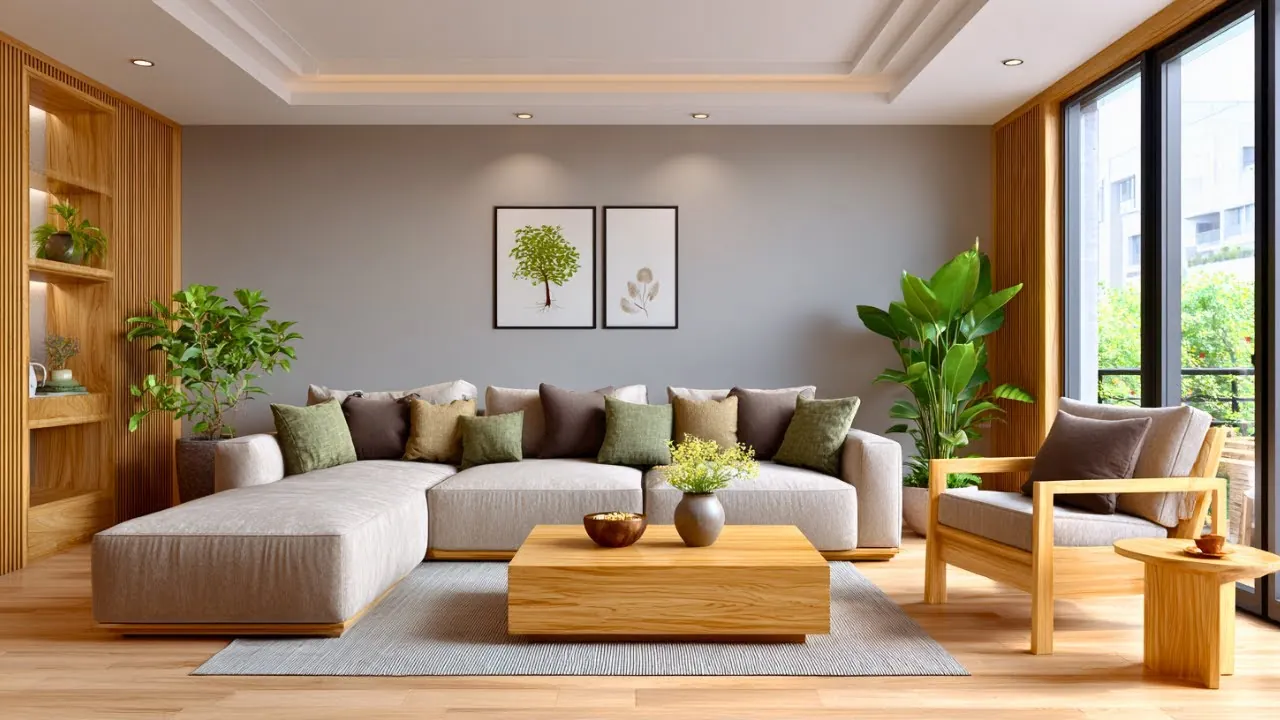
Minimalism has become one of the most popular interior design trends in recent years, and for good reason. A minimalist living room creates a peaceful environment, reduces visual clutter, and makes your home feel more spacious and inviting. Whether you live in a small apartment or a large house, minimalist design can transform your living area into a stylish and functional retreat.
The beauty of minimalism lies in its simplicity. Instead of filling a room with unnecessary decorations and furniture, minimalist design focuses on quality, purpose, and clean aesthetics. Every piece serves a function while contributing to a cohesive and elegant look.
In this guide, we’ll explore 10 Minimalist Living Room Ideas that can help you create a sophisticated and calming space. From choosing neutral color palettes to incorporating natural materials, these ideas will inspire you to embrace the “less is more” philosophy.
1. Embrace a Neutral Color Palette
One of the most important elements of minimalist design is a neutral color scheme. Shades like white, beige, cream, gray, and soft taupe create a calm and harmonious atmosphere.
Neutral colors reflect light beautifully, making a room appear larger and brighter. They also provide a timeless foundation that won’t go out of style.
Tips for Using Neutral Colors
- Paint walls in soft white or light gray.
- Choose furniture in beige, cream, or muted tones.
- Add subtle contrast with black accents.
- Use different textures to prevent the room from feeling flat.
A neutral palette instantly creates the clean and uncluttered appearance associated with minimalist interiors.

2. Choose Furniture with Clean Lines
Minimalist living rooms focus on simplicity and functionality. Furniture with sleek silhouettes and clean lines helps achieve this look.
Avoid overly ornate pieces with excessive detailing. Instead, select sofas, coffee tables, and shelving units that feature streamlined designs.
Best Furniture Choices
- Low-profile sofas
- Rectangular coffee tables
- Simple armchairs
- Floating media consoles
- Open shelving systems
Clean-lined furniture makes the room feel organized and visually balanced while maintaining comfort and practicality.
3. Declutter and Keep Only Essentials
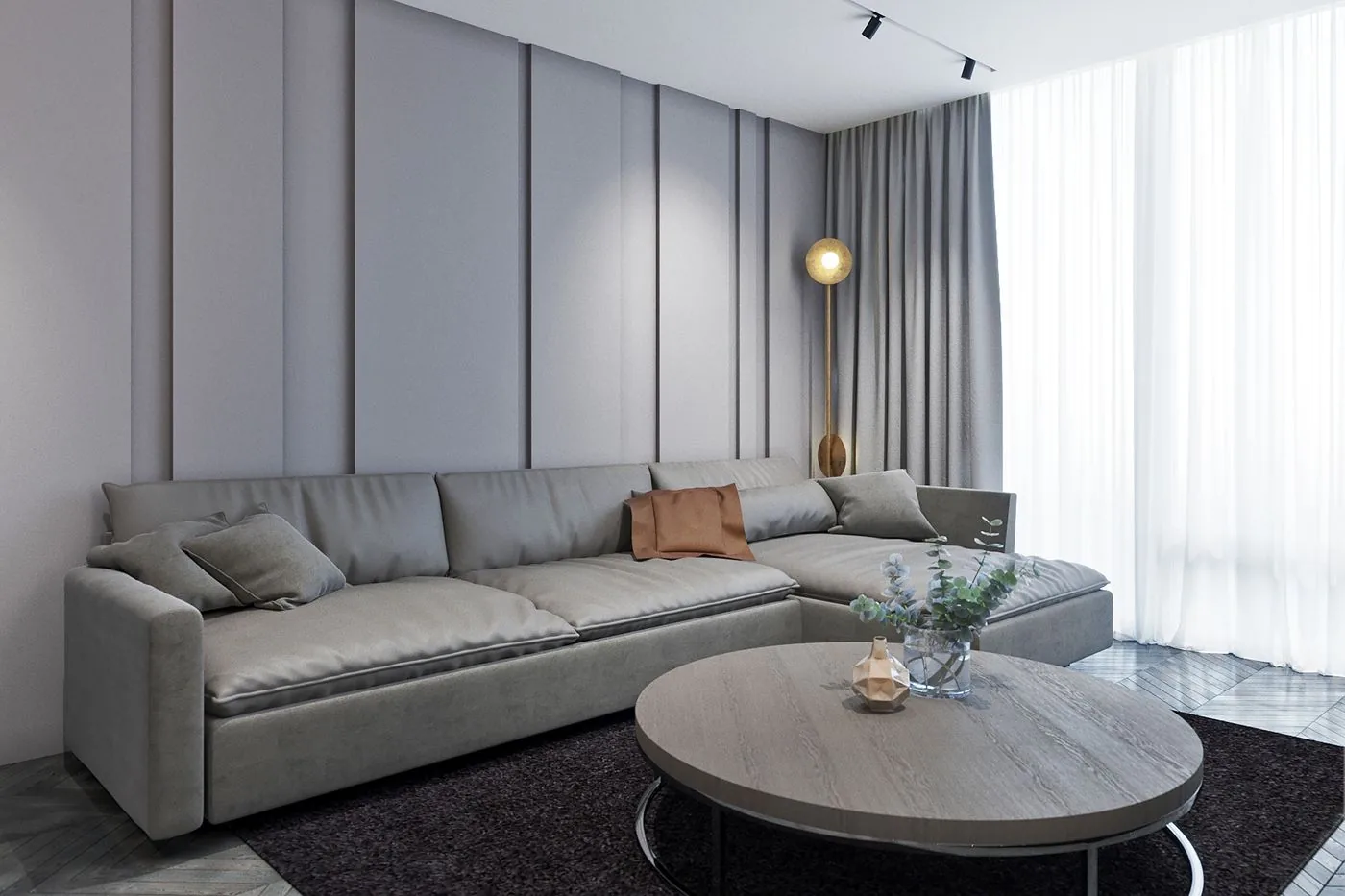
A clutter-free space is the foundation of minimalist design. One of the most effective minimalist living room ideas is simply removing unnecessary items.
Take time to evaluate everything in your living room and ask yourself whether it serves a purpose or brings value.
Decluttering Strategies
- Remove duplicate decorations.
- Store seasonal items elsewhere.
- Limit decorative accessories.
- Use hidden storage solutions.
- Keep surfaces mostly clear.
When you eliminate visual noise, your living room feels more open, peaceful, and welcoming.
4. Incorporate Natural Materials
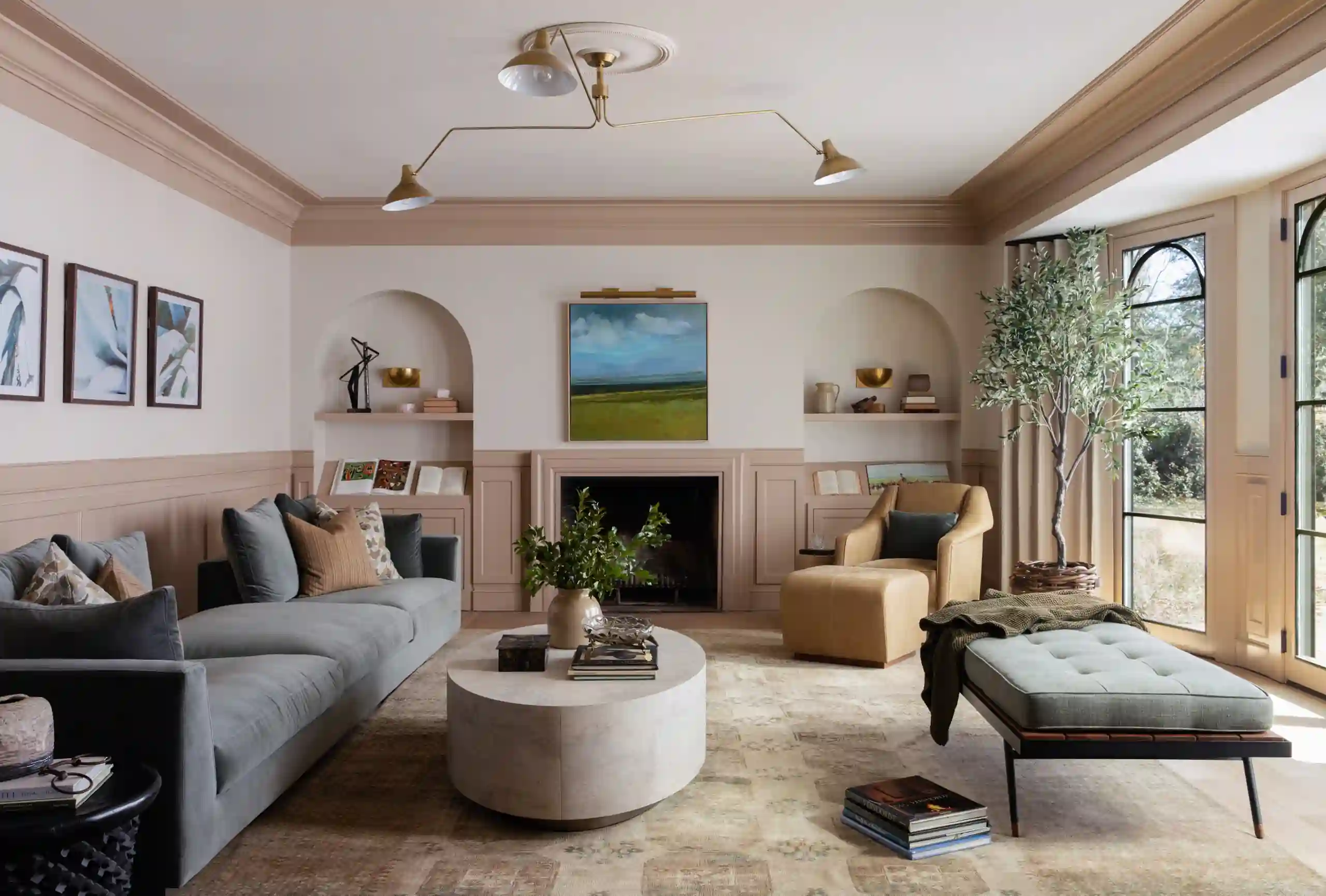
Minimalism doesn’t have to feel cold or sterile. Natural materials bring warmth and character while maintaining simplicity.
Wood, linen, cotton, stone, and woven textures add depth to a minimalist living room without overwhelming the space.
Popular Natural Elements
- Wooden coffee tables
- Linen curtains
- Cotton throw blankets
- Stone accessories
- Rattan accent pieces
Natural materials create a cozy environment while preserving the clean aesthetic that defines minimalist design.

5. Focus on Quality Over Quantity
Minimalism encourages intentional purchasing. Rather than filling your room with numerous inexpensive items, invest in a few high-quality pieces.
A well-crafted sofa, durable coffee table, or beautiful area rug can become a focal point while reducing the need for additional decorations.
Benefits of Investing in Quality
- Longer lifespan
- Better functionality
- Timeless style
- Reduced waste
- Enhanced comfort
Choosing fewer but better items aligns perfectly with minimalist principles and often saves money in the long run.

6. Use Strategic Lighting
Lighting plays a crucial role in creating a minimalist atmosphere. Proper lighting enhances openness, highlights architectural features, and adds warmth.
Layer different light sources to achieve a balanced and inviting environment.
Minimalist Lighting Ideas
- Floor lamps with simple designs
- Recessed ceiling lighting
- Pendant lights with clean shapes
- Wall sconces
- Large windows for natural light
Whenever possible, maximize natural light. Sunlight complements minimalist interiors by making spaces feel bright and airy.

7. Add a Statement Piece
Many people mistakenly think minimalist design means having no personality. In reality, a minimalist room often includes one standout feature that draws attention.
This statement piece can be a large artwork, an elegant light fixture, or a unique piece of furniture.
Statement Piece Ideas
- Oversized abstract art
- Sculptural floor lamp
- Designer lounge chair
- Large mirror
- Architectural coffee table
The key is to let one piece shine instead of competing with multiple focal points.

8. Incorporate Smart Storage Solutions
Storage is essential for maintaining a minimalist living room. Hidden storage helps keep everyday items out of sight while preserving a clean appearance.
The best minimalist spaces are organized and functional.
Smart Storage Options
- Storage ottomans
- Built-in cabinets
- Floating shelves
- Console tables with drawers
- Multifunctional furniture
By giving every item a designated place, you can maintain a tidy and clutter-free environment year-round.

9. Introduce Greenery Sparingly
Plants are an excellent way to bring life into a minimalist living room. However, moderation is important.
A few carefully selected plants can soften the clean lines of minimalist design and improve the overall atmosphere.
Best Plants for Minimalist Spaces
- Snake plant
- Fiddle leaf fig
- Rubber plant
- ZZ plant
- Olive tree
Choose simple planters in neutral colors to maintain the room’s cohesive aesthetic.
Plants add freshness, texture, and natural beauty without creating visual clutter.

10. Create Balance Through Negative Space
Negative space refers to the empty areas between furniture and decorative elements. In minimalist design, these spaces are just as important as the objects themselves.
Avoid the temptation to fill every corner of the room.
How to Use Negative Space
- Leave breathing room around furniture.
- Avoid overcrowding walls with artwork.
- Limit decorative accessories.
- Keep pathways clear.
- Arrange furniture thoughtfully.
Negative space creates a sense of calm and allows each design element to stand out more effectively.
How to Make a Small Living Room Look Minimalist
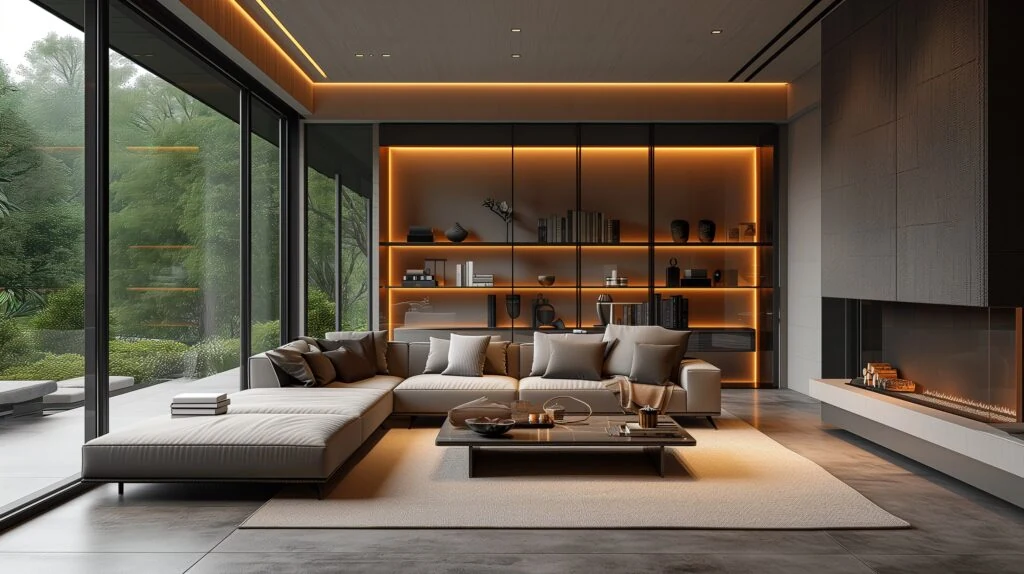
Many homeowners assume minimalism only works in large spaces, but it’s especially beneficial in small living rooms.
Practical Tips
- Use light colors on walls.
- Choose multifunctional furniture.
- Install floating shelves.
- Keep window treatments simple.
- Use mirrors to reflect light.
- Limit decorative accessories.
A minimalist approach can make even the smallest living room feel larger and more comfortable.
Common Minimalist Design Mistakes to Avoid
While implementing these 10 Minimalist Living Room Ideas, be mindful of common mistakes that can make a space feel unfinished or uninviting.
Mistake 1: Removing Too Much
Minimalism is not about creating an empty room. Comfort and functionality should remain priorities.
Mistake 2: Ignoring Texture
Without texture, neutral spaces can feel boring. Mix materials like wood, linen, wool, and stone to add visual interest.
Mistake 3: Choosing Uncomfortable Furniture
A minimalist sofa should still be comfortable. Practicality is an essential aspect of good design.
Mistake 4: Overlooking Storage
Lack of storage often leads to clutter. Plan storage solutions before redesigning your space.
Mistake 5: Following Trends Blindly
Focus on creating a room that suits your lifestyle rather than copying every trend you see online.
Benefits of a Minimalist Living Room
There are many reasons homeowners are embracing minimalist interiors.
Reduced Stress
Cluttered environments can feel overwhelming. A clean space promotes relaxation and mental clarity.
Easier Maintenance
Fewer items mean less cleaning and organizing.
Improved Functionality
Every piece serves a purpose, making the room more efficient and practical.
Timeless Appeal
Minimalist design rarely goes out of style, making it a smart long-term investment.
Better Focus
A simplified environment allows you to focus on meaningful activities and relationships rather than distractions.
Final Thoughts
These 10 Minimalist Living Room Ideas prove that creating a beautiful home doesn’t require excessive furniture or decorations. By embracing neutral colors, choosing functional furnishings, incorporating natural materials, and reducing clutter, you can design a living room that feels calm, stylish, and timeless.
Minimalism is ultimately about intentional living. It’s about surrounding yourself with items that serve a purpose and bring genuine value to your daily life. Whether you adopt one of these ideas or implement all ten, you’ll be well on your way to creating a peaceful living space that promotes comfort, balance, and beauty.