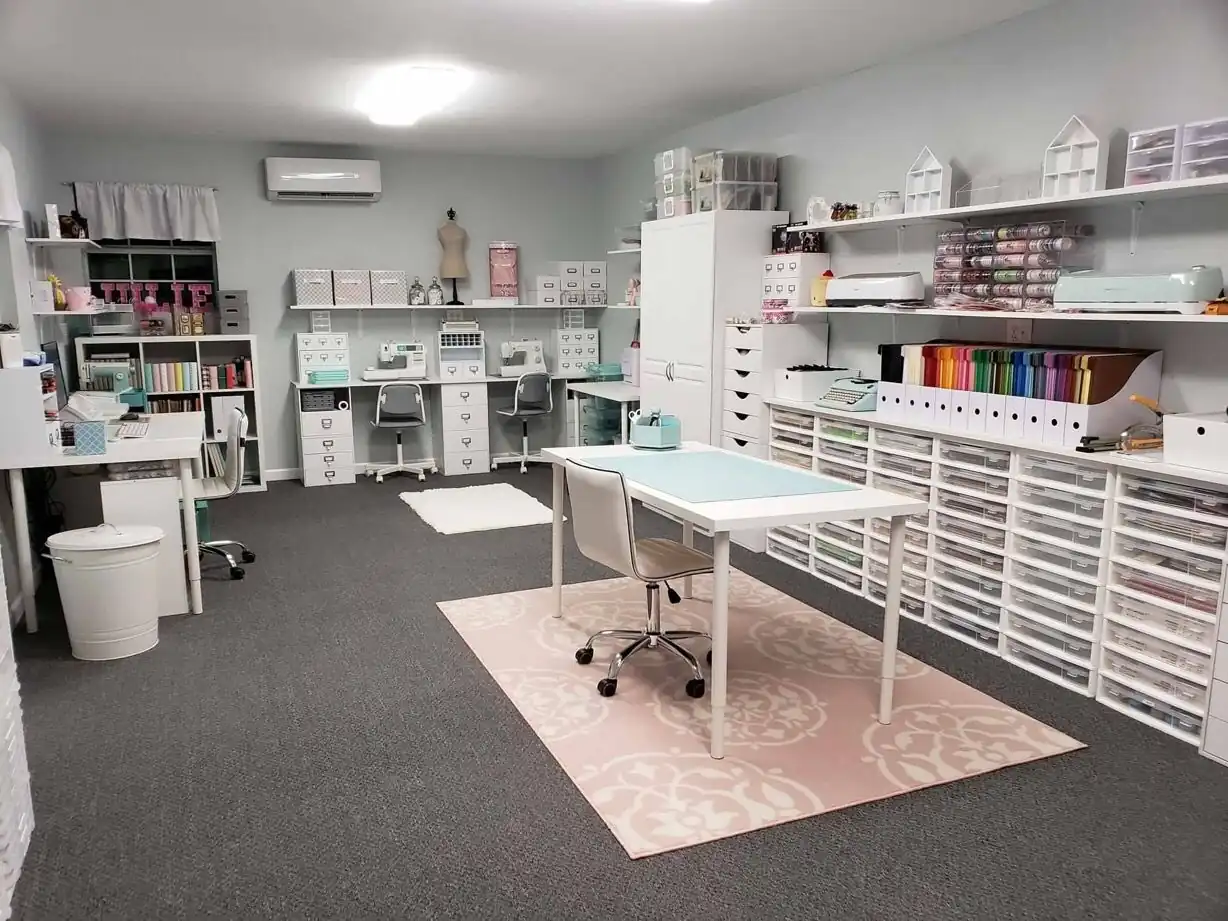
Creating a dedicated sewing space is a dream for many crafters. Whether you’re a beginner learning to stitch straight lines or an experienced quilter working on intricate patterns, having an organized and inspiring sewing room can completely transform your creativity. A thoughtfully designed sewing space boosts productivity, reduces stress, and makes every project more enjoyable.
In this guide, we’ll explore 10 Sewing Room Ideas that blend functionality, comfort, and style. From smart storage solutions to creative décor touches, these ideas will help you design a sewing room that truly works for you.
1. Choose the Perfect Location for Your Sewing Room
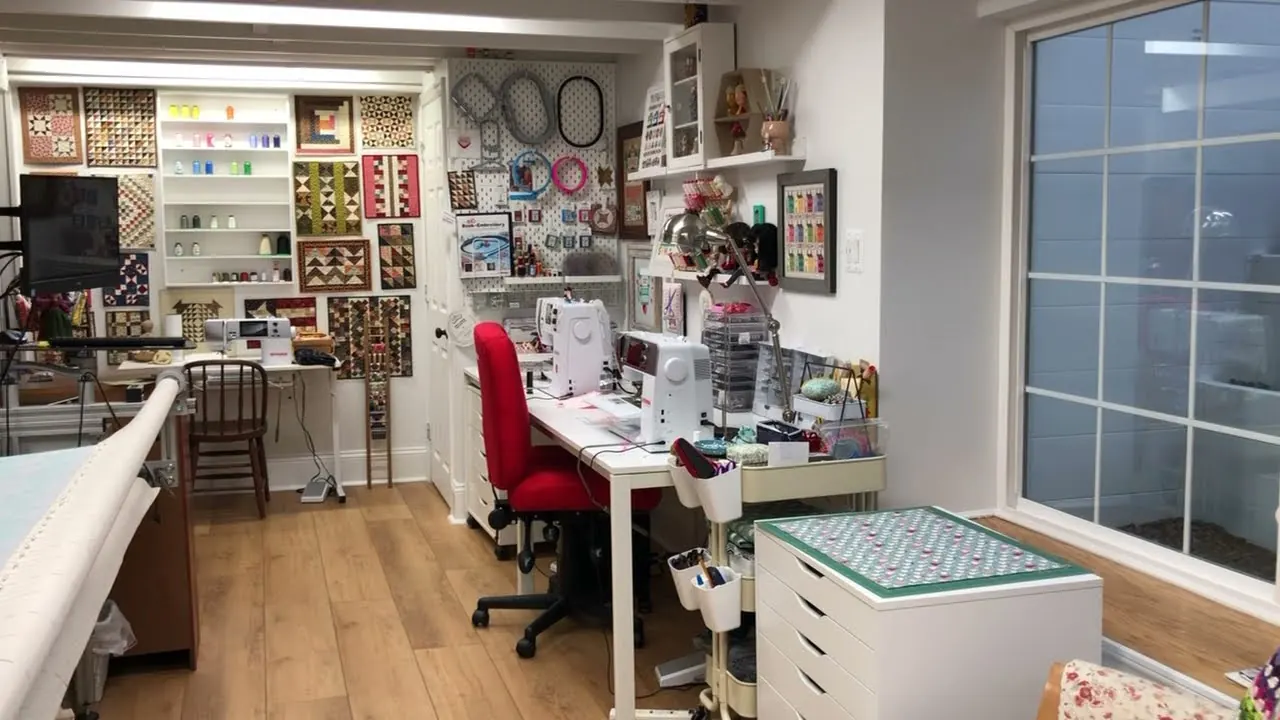 The first step in designing your sewing room is selecting the right space. It doesn’t have to be a large room even a spare bedroom corner, a loft area, or a converted closet can become a functional sewing haven.
When choosing your space, consider:
-
Natural lighting
-
Electrical outlet availability
-
Ventilation
-
Noise levels
If possible, position your sewing desk near a window. Natural light reduces eye strain and makes color matching fabrics much easier. If you live in a smaller home, a folding table in a multi-purpose room can work beautifully. The key is creating a space that feels dedicated to your craft.
2. Invest in a Functional Sewing Table
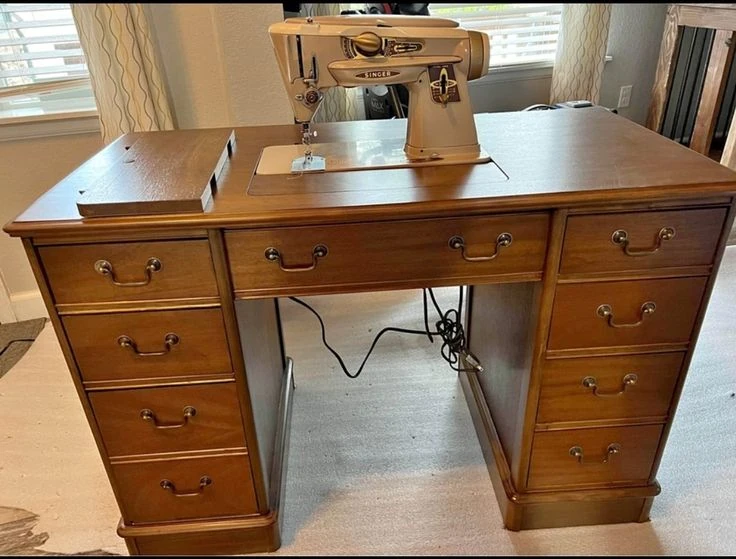 Your sewing table is the heart of your room. It should be sturdy, spacious, and comfortable. Ideally, choose a table with enough depth to support your sewing machine and provide room for fabric handling.
Look for features such as:
-
Built-in storage drawers
-
Adjustable height
-
Expandable surfaces
-
Drop-leaf extensions
If you work on larger projects like quilts or curtains, consider an L-shaped desk or modular table setup. This gives you space for cutting, stitching, and pressing without constantly rearranging everything.
A comfortable table setup will instantly elevate your productivity and make long sewing sessions much more enjoyable.
3. Smart Storage Solutions for Fabrics and Supplies
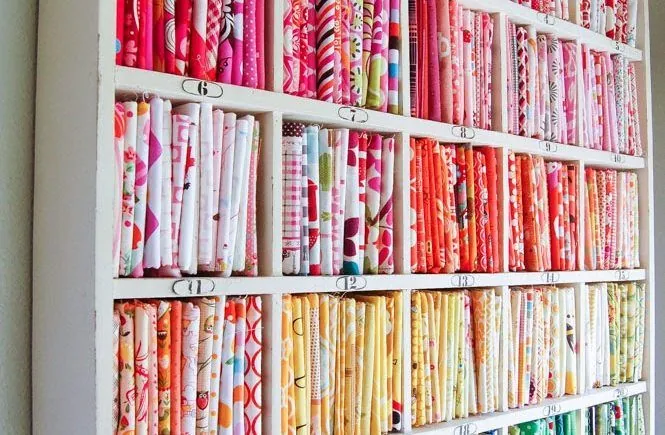 One of the most important sewing room ideas is proper storage. Fabric, thread, patterns, and tools can quickly take over a room if not organized correctly.
Here are some practical storage ideas:
Clear Storage Bins
Transparent containers allow you to see your fabrics without digging through piles.
Open Shelving
Wall-mounted shelves keep items accessible and add decorative flair when neatly arranged.
Vertical Storage
Use pegboards, wall racks, or hanging baskets to maximize vertical space.
Drawer Dividers
Perfect for organizing scissors, measuring tapes, bobbins, and needles.
Label everything clearly to save time when working on projects. A well-organized room reduces frustration and keeps your creative flow uninterrupted.
4. Create a Dedicated Cutting Station
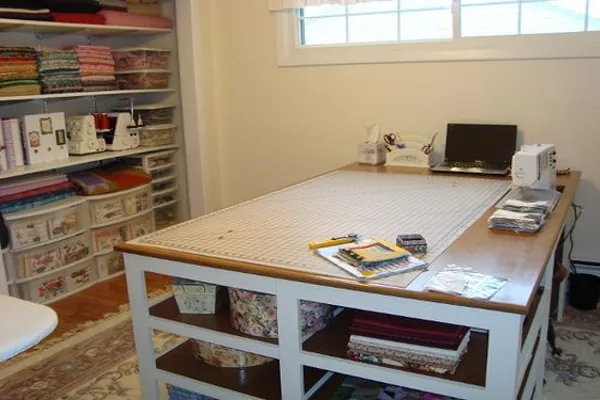 If you’re serious about sewing, a cutting station is a must. Instead of cutting fabric on the floor or dining table, designate a specific area for measuring and trimming.
A cutting station should include:
-
A large cutting mat
-
Rotary cutter
-
Ruler
-
Storage for pattern pieces
Consider a counter-height table to prevent back strain. Some crafters even repurpose kitchen islands or old desks as cutting stations. Adding storage underneath for fabric bolts or bins is a bonus.
This setup keeps your workflow efficient and protects your fabric from unnecessary creases.
5. Lighting That Enhances Precision
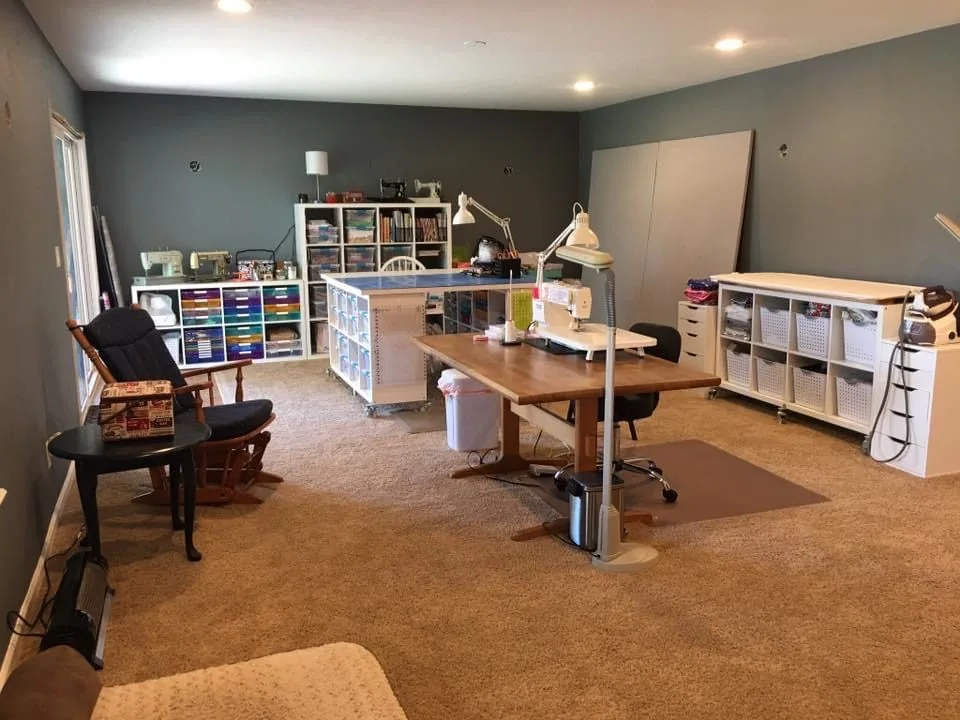 Good lighting is essential in any sewing room. Poor lighting can cause eye strain and mistakes in stitching.
Combine multiple light sources:
-
Overhead ceiling light
-
Task lamp for your sewing machine
-
LED strip lights under shelves
-
Adjustable desk lamp
Daylight bulbs are ideal because they mimic natural light and help with accurate color selection. Proper lighting ensures your stitches are neat and your projects look professional.
6. Add Comfortable Seating
Sewing often involves long hours of sitting, so comfort is crucial. An ergonomic chair with proper lumbar support can prevent back pain and fatigue.
Look for:
-
Adjustable height
-
Cushioned seat
-
Swivel base
-
Breathable fabric
If space allows, add a small lounge chair or cozy corner where you can review patterns or take a break. A comfortable sewing room encourages longer, more productive crafting sessions.
7. Design a Thread & Tool Display Wall
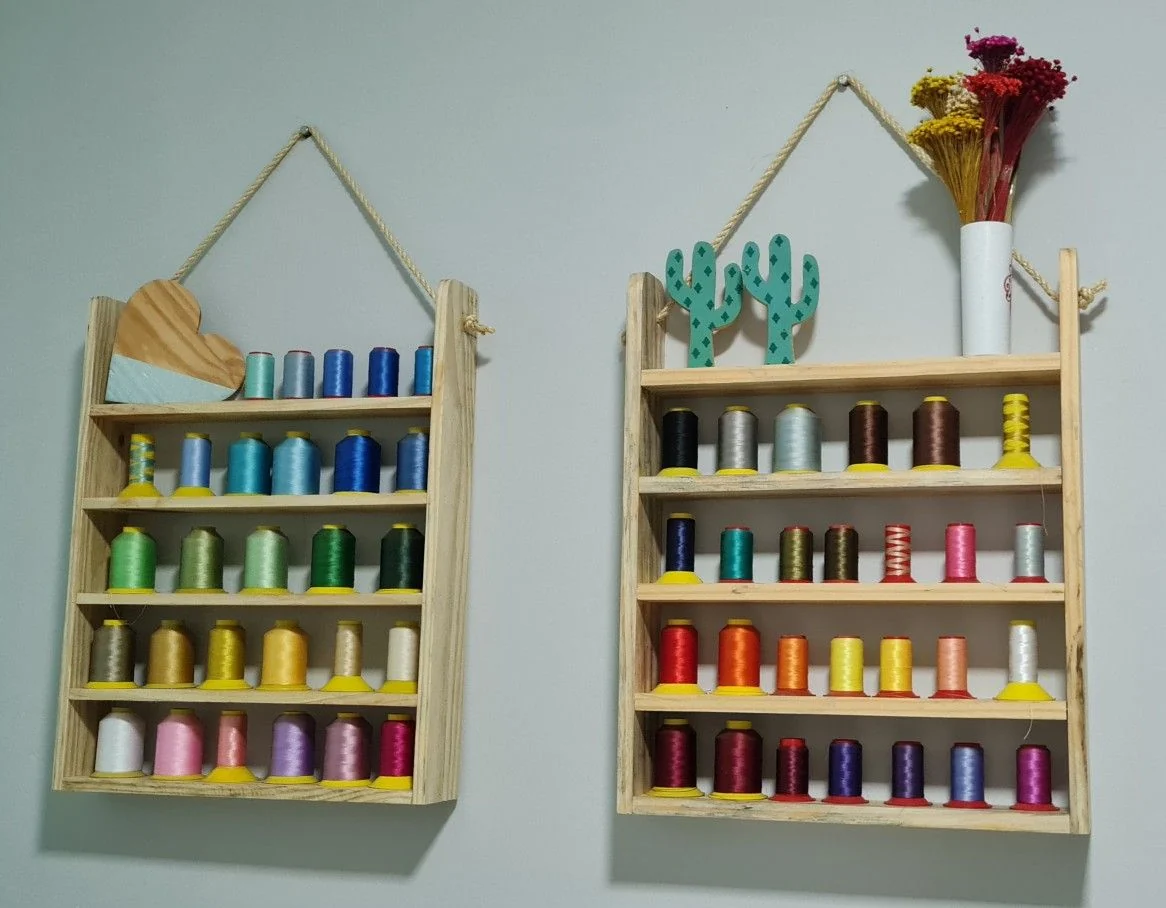 Turn your supplies into décor! A pegboard wall is one of the most creative and practical sewing room ideas.
Benefits of a pegboard wall:
-
Keeps tools visible and accessible
-
Saves drawer space
-
Adds color to your room
-
Fully customizable layout
Arrange threads by color for a visually pleasing rainbow display. Hang scissors, rulers, and measuring tapes neatly. Not only does this improve organization, but it also adds personality to your space.
8. Personalize Your Sewing Space
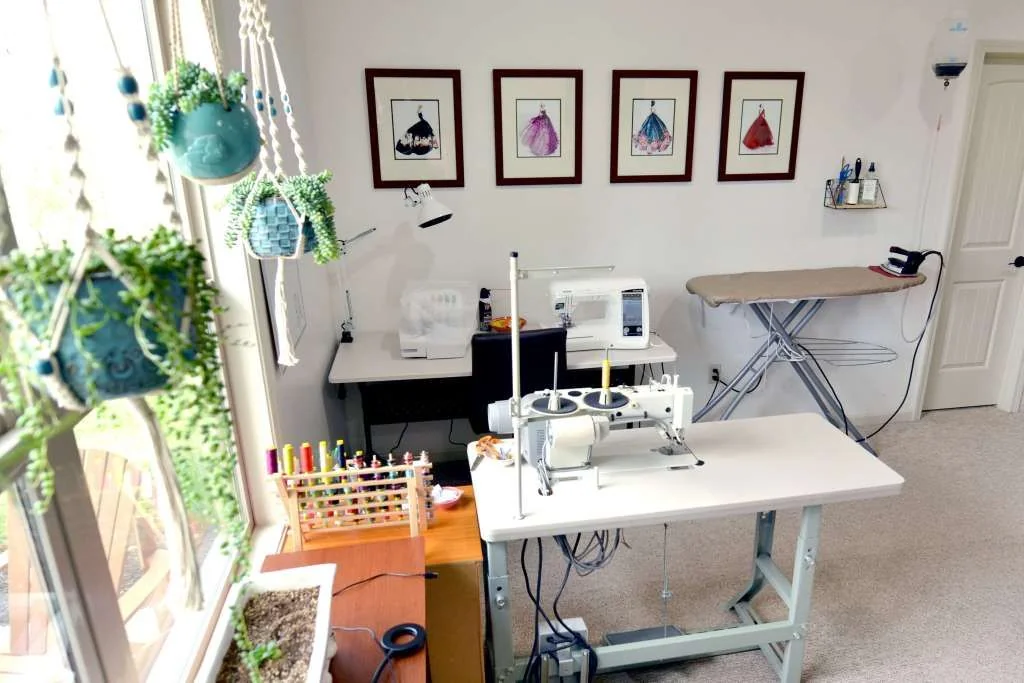 Your sewing room should inspire you. Add decorative touches that reflect your personality and creative style.
Consider:
-
Framed fabric swatches
-
Inspirational quotes
-
Decorative baskets
-
Indoor plants
-
Patterned curtains
Choose a color scheme that energizes you. Soft pastels create a calm environment, while bold hues can spark creativity. Personal touches make the room feel welcoming and uniquely yours.
9. Incorporate Multi-Functional Furniture
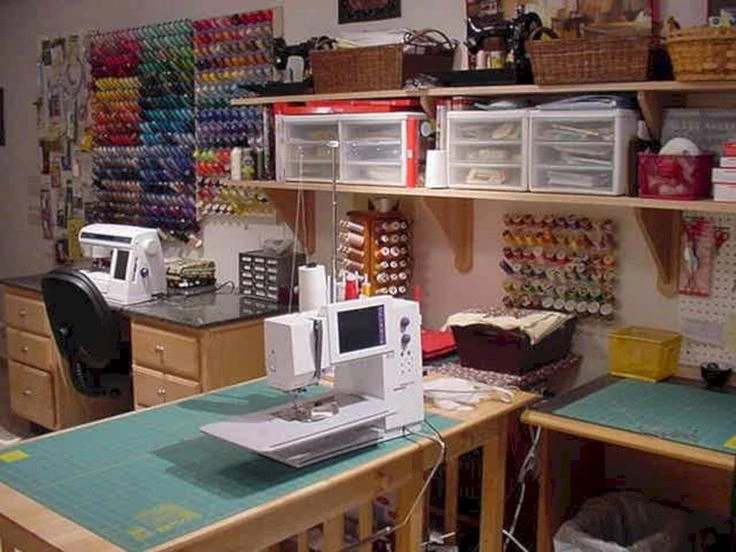 If you’re working with limited space, multifunctional furniture is your best friend.
Examples include:
-
Fold-down wall desks
-
Storage ottomans
-
Rolling carts
-
Murphy-style sewing tables
A rolling cart can hold your most-used tools and be moved wherever needed. This flexibility is especially helpful if your sewing room doubles as a guest room or office.
Smart furniture choices maximize efficiency without overcrowding the space.
10. Maintain a Clean & Efficient Workflow
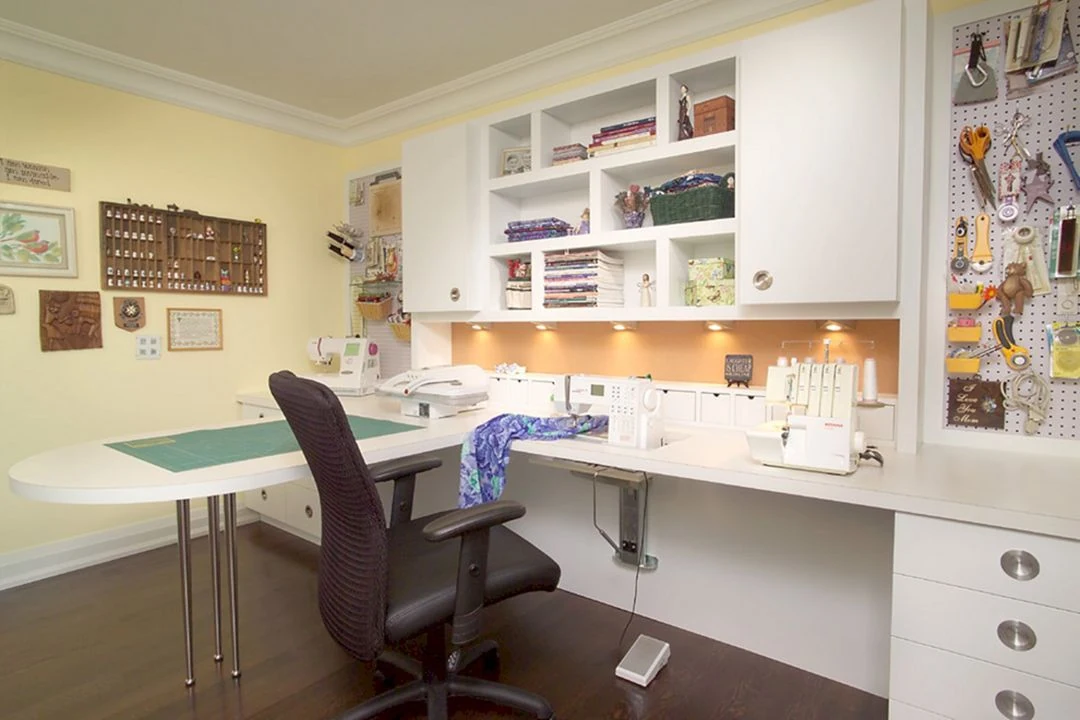 The final and most important tip in these 10 Sewing Room Ideas is maintaining an efficient workflow. Arrange your room in a way that supports your sewing process:
-
Cutting area
-
Sewing station
-
Pressing station
-
Storage
Keeping these zones organized prevents unnecessary movement and saves time. Regular decluttering sessions will keep your room functional and inspiring.
Make it a habit to tidy up after each project. Store scraps, wind bobbins, and return tools to their designated places. A clean sewing room fuels creativity and keeps you motivated for your next masterpiece.
Bonus Tips to Elevate Your Sewing Room
To make your sewing room even more functional and beautiful, consider these additional enhancements:
Add a Design Wall
A fabric-covered corkboard or flannel board lets you visualize quilt blocks or garment layouts before stitching.
Install Floating Shelves
Perfect for displaying books, sewing patterns, or decorative items.
Use Clear Jars for Small Items
Buttons, pins, and clips look charming in glass containers while staying organized.
Include a Full-Length Mirror
Essential if you sew clothing. It helps with fitting adjustments and styling decisions.
Add a Small Ironing Station
A compact ironing board or pressing mat saves trips to another room.
Common Sewing Room Mistakes to Avoid
While designing your space, avoid these common errors:
-
Overcrowding the room with furniture
-
Ignoring lighting needs
-
Skipping ergonomic considerations
-
Not planning storage properly
-
Letting clutter accumulate
Thoughtful planning ensures your sewing room remains a joyful place rather than a chaotic storage area.
Final Thoughts
Designing a sewing room is about balancing creativity and functionality. These 10 Sewing Room Ideas prove that you don’t need a massive space to create something beautiful. With smart storage, proper lighting, ergonomic furniture, and personal touches, you can transform even a small corner into a productive and inspiring sewing sanctuary.
Whether you’re quilting, tailoring, or crafting home décor, your sewing room should support your passion and reflect your personality. Start with one or two ideas and gradually build your dream space.
Remember, the best sewing room is one where you feel comfortable, organized, and excited to create. Happy sewing!