10 Sofas Ideas Living Room: Inspiring Sofa Designs to Transform Your Space
A sofa is often the centerpiece of a living room it’s where we relax, entertain, and spend many hours lounging. Choosing the right sofa can dramatically change the feel of the space, anchoring the room while defining style and comfort.
In this blog post, we’ll explore 10 sofas ideas living room that range from bold and modern to cozy and traditional. Whether you’re planning a complete living room redesign or just looking for some fresh inspiration, these ideas will help you envision the possibilities.
1. The Classic Chesterfield
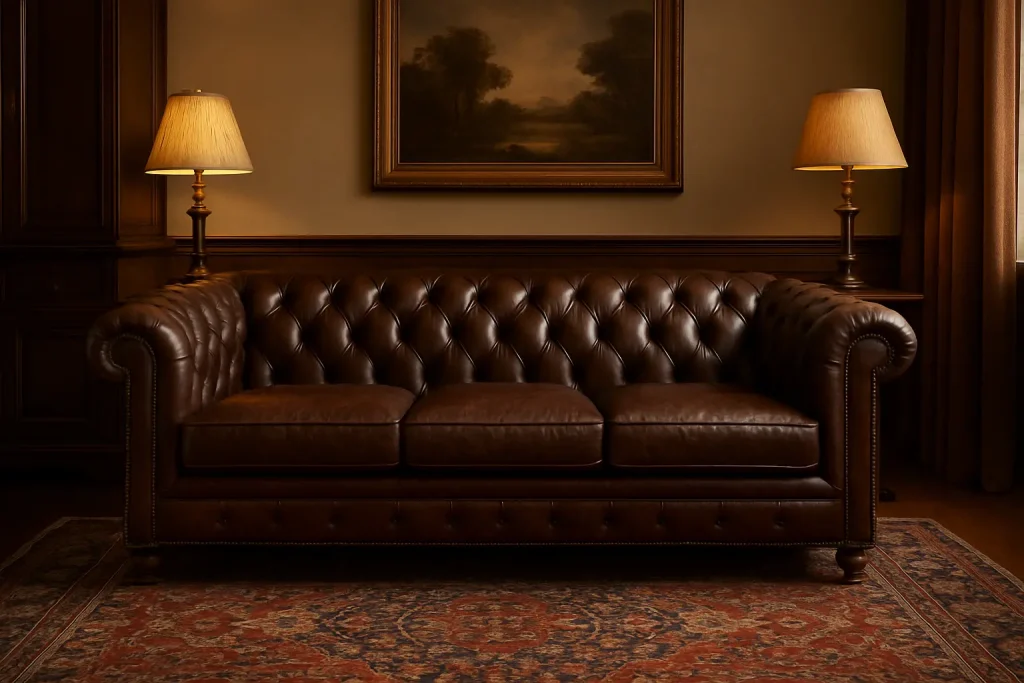
The Chesterfield sofa is a time-tested icon. With its deep button tufting, rolled arms, and often leather upholstery, this style exudes elegance and tradition. It’s a perfect choice if your living room leans toward classic, vintage, or English club aesthetics.
Why choose a Chesterfield?
- The rolled arms, tufting, and rich detailing make it visually striking.
- Leather versions age beautifully and can take on a handsome patina over time.
- Even in more casual settings, a Chesterfield can act as a statement piece.
When to use it:
- In formal living rooms or studies.
- Paired with warm wood floors, Persian rugs, or brass accents.
- In neutral or jewel-tone color schemes.
Tip: For a modern twist, you can upholster a Chesterfield in velvet or linen, and pair it with minimal, contemporary furniture to keep the space from feeling too stuffy.
2. Sectional for Large or Open Layouts
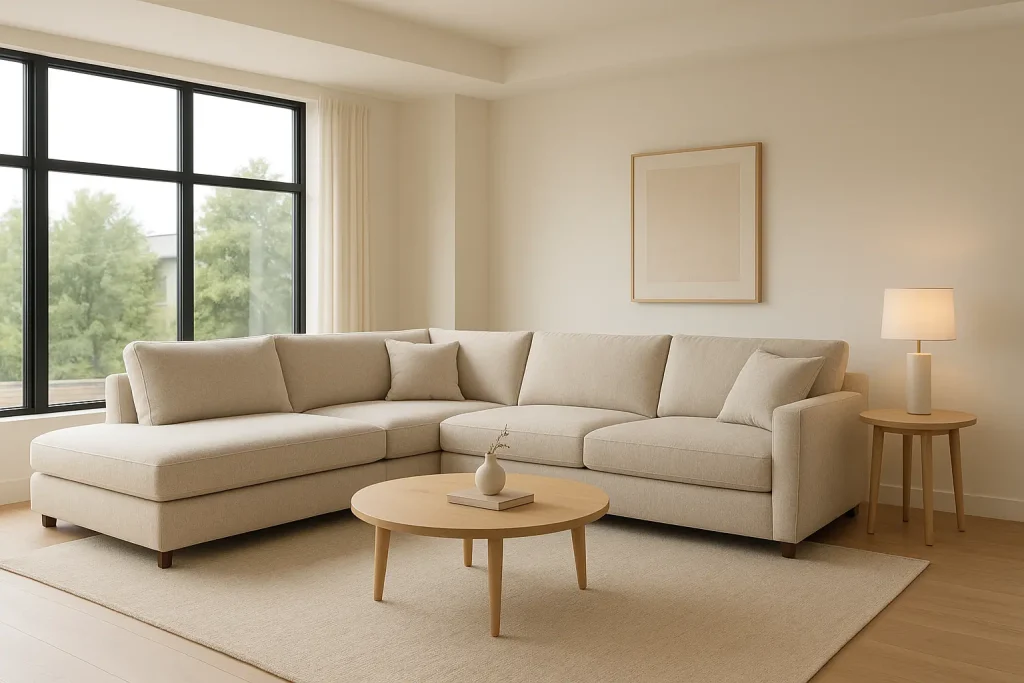
When you have a spacious living room or an open floor plan, a sectional sofa is a smart choice. These sofas are composed of multiple pieces (sections) that can be arranged in L-shape, U-shape, or even curved formations.
Advantages:
- Great for maximizing seating in large rooms.
- Helps define zones in open floor plans (e.g. delineating the living area from the dining area).
- Can accommodate more guests in one piece, reducing clutter from multiple chairs or sofas.
Things to consider:
- Measure carefully sectionals can dominate space if too large or awkwardly shaped.
- Choose modular designs so you can reconfigure if you move.
- Think about flow: leave walkways and ensure the sectional doesn’t block doorways.
One of my favorite sofa ideas living room strategies is to anchor a sectional with a large area rug and a slim-profile coffee table so the sofa doesn’t overpower the rest of the décor.
3. Modular and Configurable Sofas
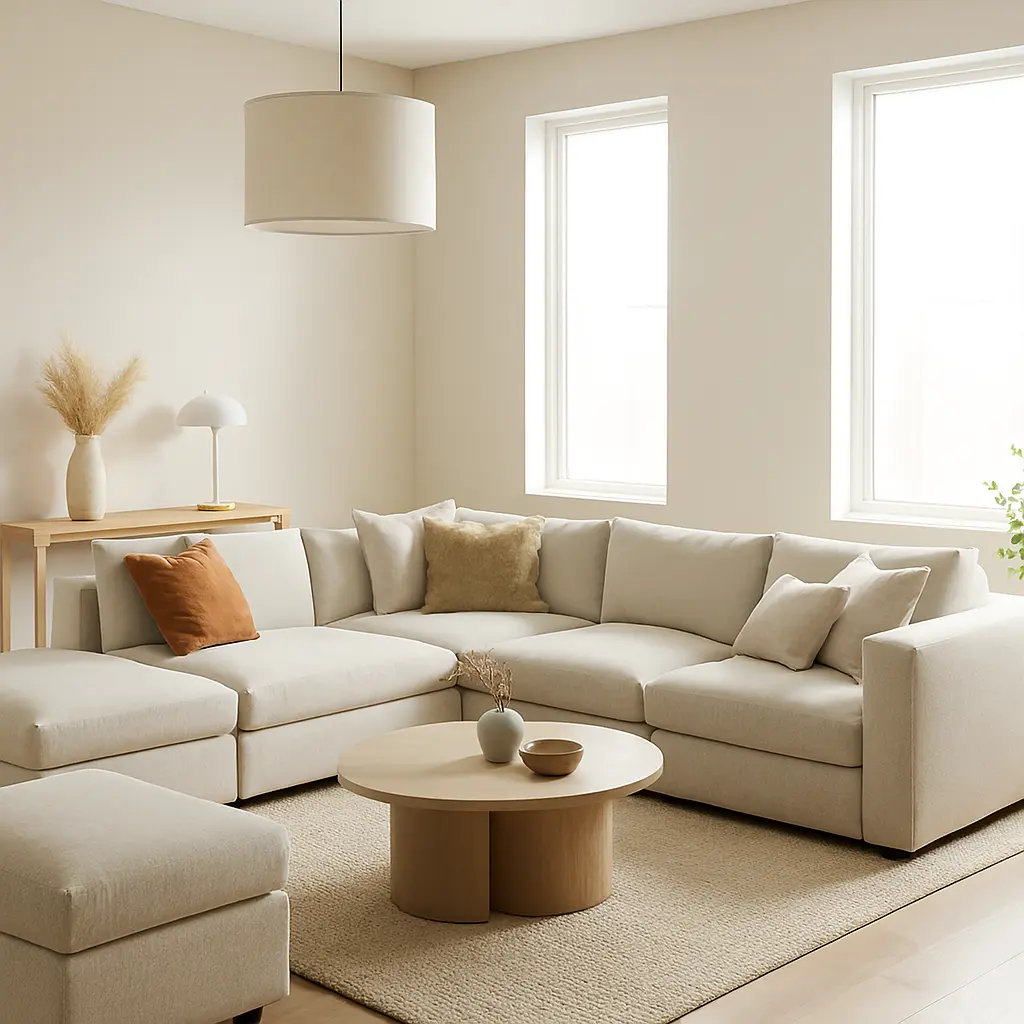
If you like flexibility, modular sofas are among the most adaptable of all sofa styles. These allow you to combine or rearrange independent seating modules (e.g. seats, chaise lounges, corner pieces) to suit different occasions.
Why modular?
- You can reconfigure for movie nights, parties, or lounging alone.
- If you relocate, you can take modules with you and adapt them to new space.
- It’s easy to expand later by adding new modules.
Design tips:
- Stick to neutral upholstery so modules mix and match easily.
- Use throw pillows or accent pieces to tie modules together visually.
- Choose modules with hidden connectors so the sofa feels seamless when assembled.
Modular sofas are a modern take on the classic concept of sectional sofas, and they allow for more creative layouts and flow in your living room.
4. Mid-Century Modern Sofas
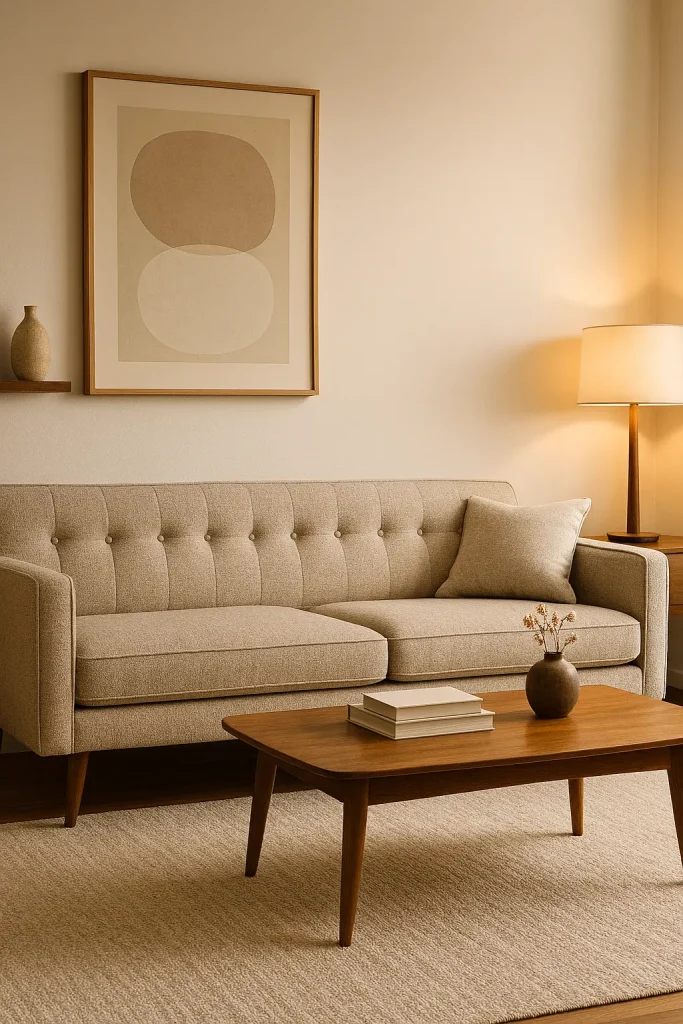
Mid-Century Modern (MCM) design remains hugely popular due to its clean lines, functional aesthetic, and timeless appeal. A mid-century sofa typically features slim, tapered legs, tight backs, and minimal ornamentation.
Why they work:
- The elevated legs give a sense of openness and make cleaning easier.
- Their understated design complements a variety of décor styles, from boho to Scandinavian.
- Materials like walnut, teak, and natural fabrics align well with modern interiors.
Styling tips:
- Pair with a simple coffee table, a geometric rug, and accent chairs in earthy tones.
- Keep the silhouette without adding too many bulky cushions or overly plush elements.
- Accent with sculptural lighting or artwork to maintain the design ethos.
A mid-century modern sofa can often be the perfect balance between aesthetics and comfort in a contemporary living room.
5. Sleeper Sofas / Sofa Beds
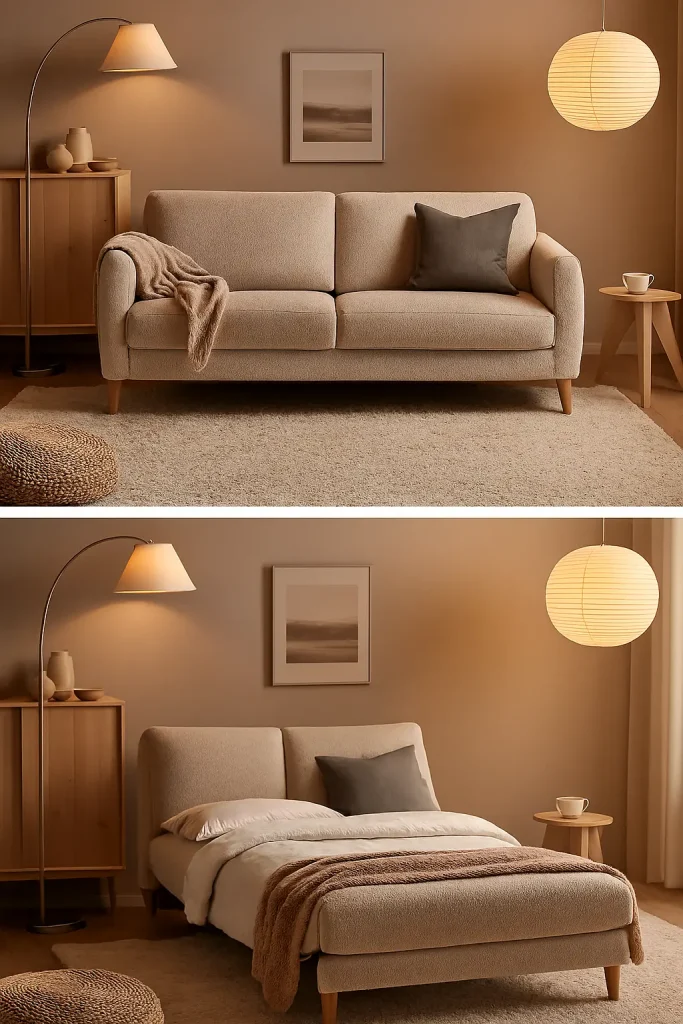
Living rooms sometimes double as guest rooms, especially in smaller homes or apartments. A sleeper sofa (or sofa bed) offers practicality without sacrificing style.
Benefits:
- Transforms into a bed for overnight guests.
- Keeps the furniture multifunctional no need for a separate guest room.
- Many modern designs feature fold-flat mattresses or trundle mechanisms that are easy to use.
What to look for:
- Quality mattress options (memory foam, innerspring) for better comfort.
- Smooth transformation mechanisms (no heavy lifting).
- Aesthetic appeal so it doesn’t look like a bulky sofa by day.
When space is tight, a sofa bed can be one of the smartest sofa ideas living room owners employ, combining functionality and design.
6. Curved or Circular Sofas
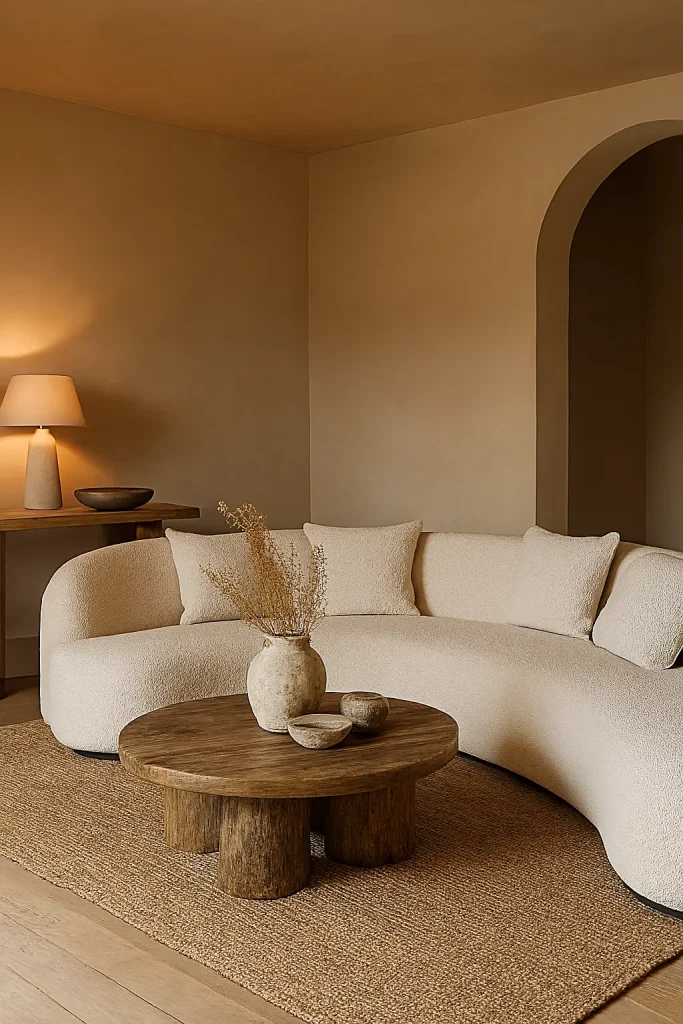
Curved sofas bring softness and a sense of flow to a room. They are less common so using one makes a bold design statement.
Why go curved?
- They soften angular rooms and break up rigid lines.
- Great for conversation: people naturally face each other in a curve.
- They can act as a sculptural focal point.
Where to use:
- In expansive living rooms with open space.
- Paired with round coffee tables or rugs to echo the curvature.
- Against curved walls, bay windows, or alcoves.
Caveats:
- Harder to pair with rectangular furniture; so plan the layout carefully.
- May be more expensive or custom-made due to their nonstandard shape.
A curved sofa is one of those distinct sofa ideas living room lovers remember it adds a touch of elegance and uniqueness.
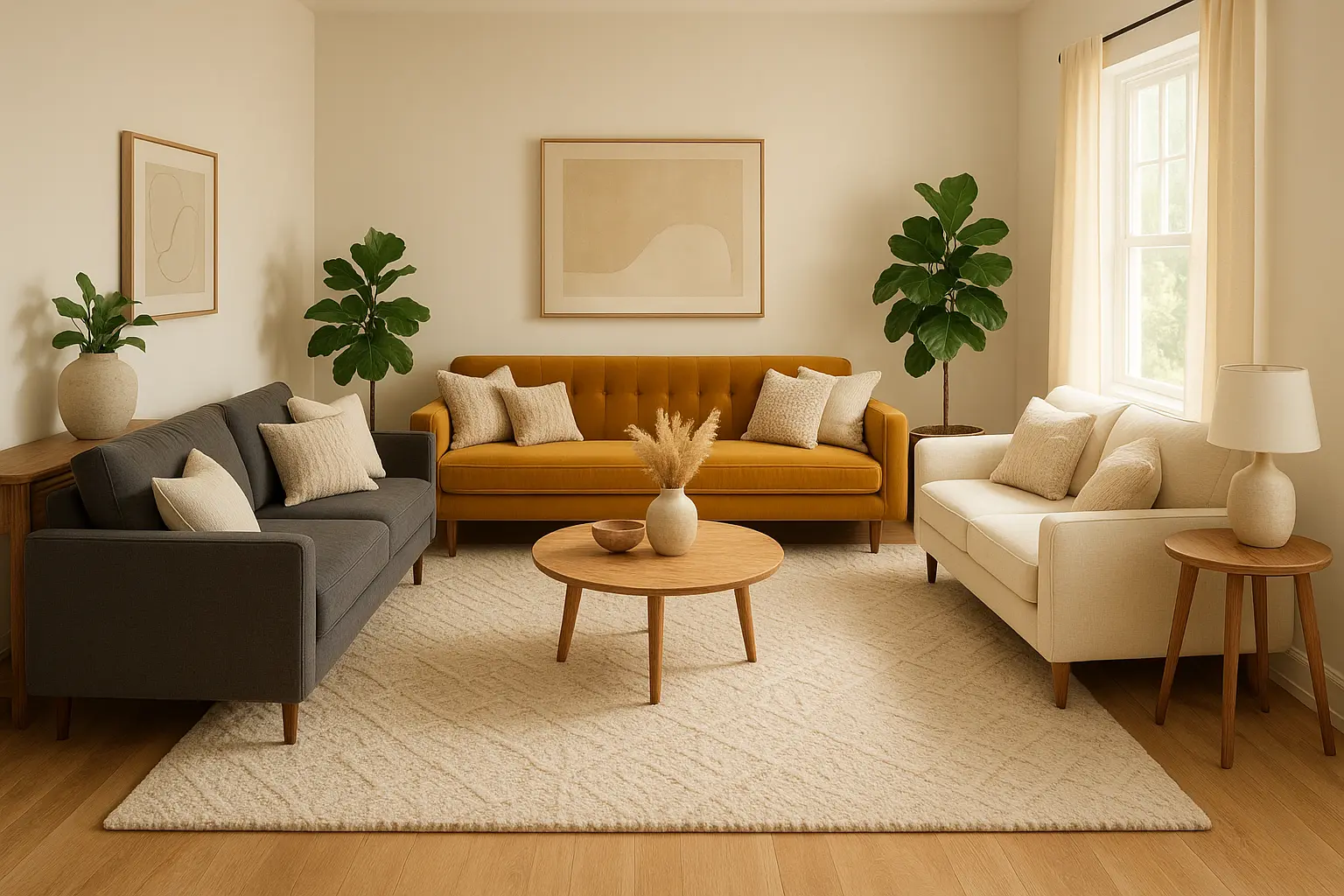
7. Two-Seat or Loveseat Pairs
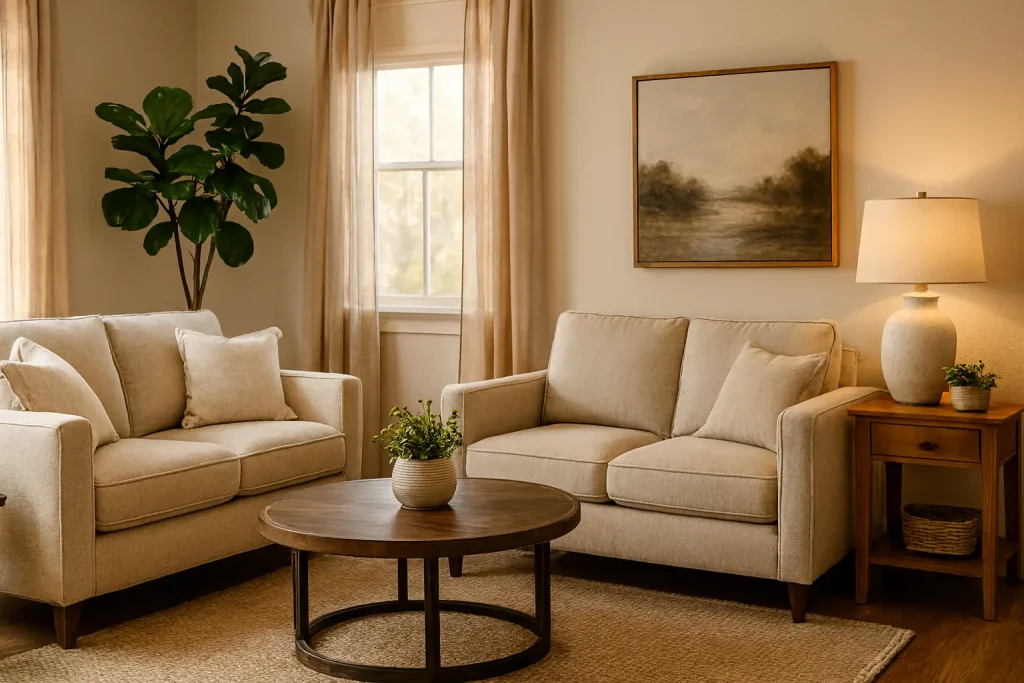
In smaller living rooms or boutique apartments, a pair of loveseats (or a loveseat plus an armchair) can be more practical and flexible than one large sofa.
Pros:
- They create balance, symmetry, and visual interest.
- You can move them independently, which is helpful for cleaning or reconfiguring.
- They allow for flexible seating arrangements.
Design tips:
- Use matching loveseats for a coordinated look, or mix complementary styles for an eclectic feel.
- Introduce a third occasional chair or ottoman to round out the seating.
- Use a single rug that spans both seats so the pair reads as a unified seating zone.
When you want to maximize options without overwhelming your space, loveseat pairs are among the clever sofa ideas living room dwellers can use.
8. Reclaimed / Rustic Sofas
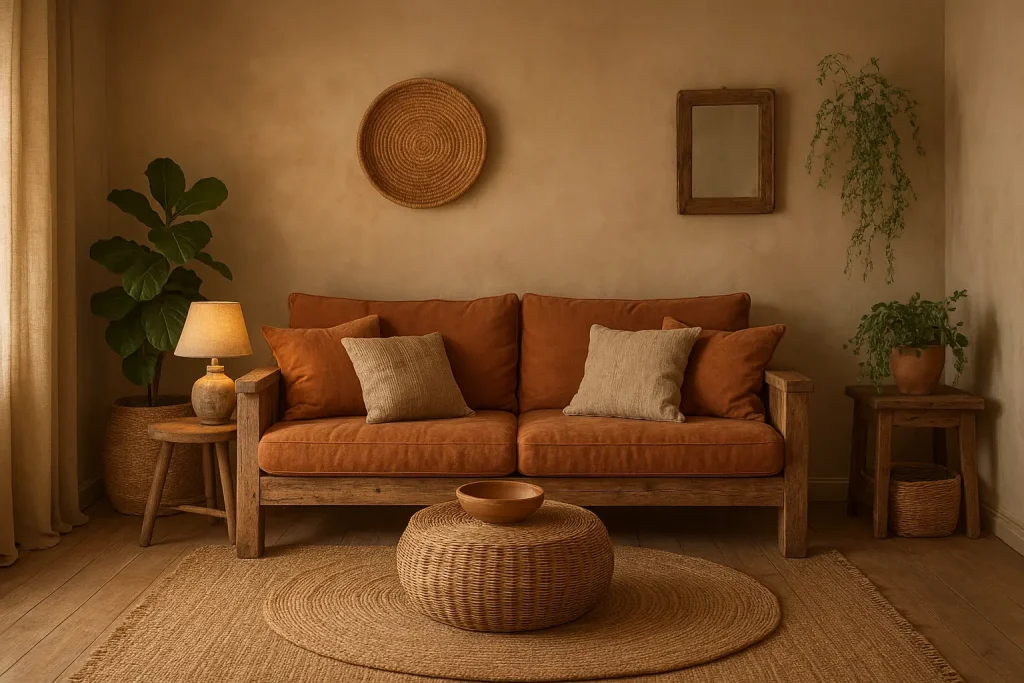
For those who love vintage charm or farmhouse aesthetics, sofas built from reclaimed wood, distressed leather, or repurposed materials bring personality and character.
Why choose a rustic sofa?
- The imperfections, texture, and patina tell a story and add warmth.
- Pairs beautifully with natural materials wood, jute, stone.
- Offers a cozy, lived-in ambiance.
Styling hints:
- Use neutral fabrics (linen, cotton) to balance the rougher frame.
- Include leather pillows or wool throws to enhance the tactile quality.
- Combine with industrial-style lighting or raw elements like exposed brick or metal.
Even in a modern living room, a rustic or reclaimed sofa can act as a grounding element to bring warmth and visual interest.
9. Bold Accent Sofas (Color & Pattern)
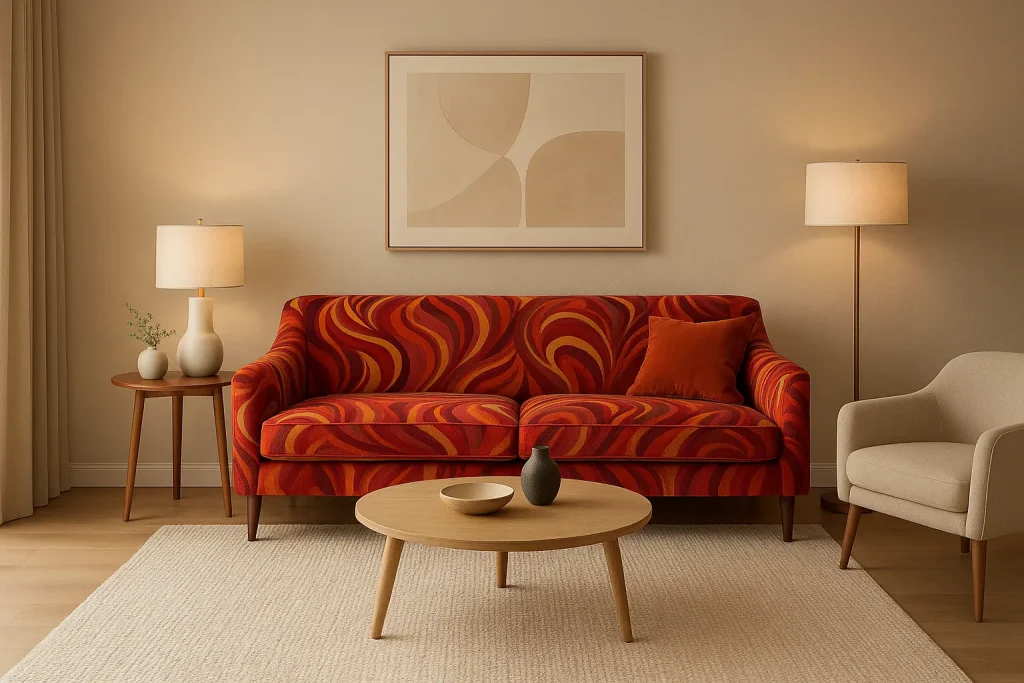
Sometimes what your living room needs is a statement piece a sofa in a bold hue, an eccentric print, or an unexpected material. These accent sofas shift the visual balance and become conversation starters.
Ideas:
- Deep emerald green velvet, mustard yellow, or rich terracotta upholstery.
- Geometric or floral prints, stripes, or designer fabric.
- Contrasting piping or bold legs in metallic finishes.
How to balance it:
- Keep other elements of the room more neutral so the sofa remains the focal point.
- Use subtle echoes of the sofa color in pillows, accessories, or artwork.
- Don’t go overboardone major colorful element is enough.
A single accent sofa can define the look and feel of your living room. When done well, it becomes the heart of your décor.
10. Minimalist & Low-Profile Sofas
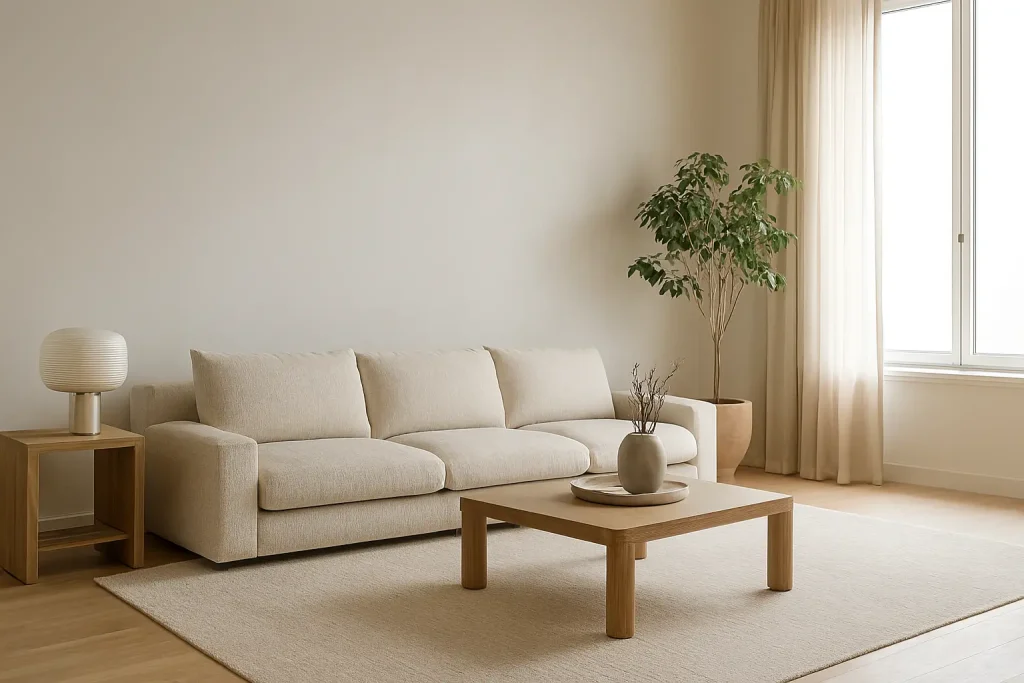
For contemporary or small-space living rooms, minimalist and low-profile sofas emphasize clean lines, simple forms, and open space.
Characteristics:
- Low to the ground (legless or very short legs).
- Slim arms or no arms.
- Tightly upholstered cushions, often in muted tones.
Advantages:
- Creates visual spaciousness by keeping the sightlines low.
- Fits well in compact rooms or modern lofts.
- Offers a serene, less cluttered aesthetic.
Design strategy:
- Pair with monochromatic or neutral color palettes.
- Use materials like leather, boucle, or fine linen.
- Complement by floating shelves, sleek side tables, and minimal décor to keep the room airy.
A minimalist sofa is ideal when you want your living room to feel calm, uncluttered, and modern.
Tips for Choosing the Right Sofa for Your Space
Now that you’ve seen 10 sofas ideas living room, here are some tips to help you choose the right one for your space, lifestyle, and taste:
1. Start with measurements
- Measure your room thoroughly width, depth, ceiling height, and walkway clearance.
- Measure doorways and stairwells to ensure the sofa can be delivered.
- Leave adequate space for circulation (30–36 inches for walking paths is a good guideline).
2. Seat comfort & depth
- Standard seat depth is around 20–22 inches for upright lounging; deeper seats (22–24 in) work well for lounging or reclining.
- Test the firmness: supportive seats prevent slumping, especially for everyday use.
3. Scale & proportion
- For large rooms, a single small sofa will look lost; for small rooms, a giant sofa will overwhelm.
- The sofa should relate proportionally to the other furniture (coffee table, chairs, media console) and to the room’s size.
4. Fabric & material
- High-traffic homes with kids or pets: choose durable, stain-resistant fabrics like performance velvet, microfiber, or blended synthetics.
- Classics and style pieces: linen, cotton, leather, boucle these offer texture and timeless appeal.
- Removable covers or slipcovers are practical for cleaning.
5. Frame & construction quality
- Look for hardwood frames (kiln-dried) or engineered hardwoods.
- Joinery: dowels, corner blocks, or mortise-and-tenon are stronger than staples or nails.
- Springs: sinuous springs or eight-way hand-tied springs are considered high quality.
6. Legs & base
- Legs elevate the sofa visually and physically (for ease of cleaning).
- Choose finishes that complement your room: metal, wood, or painted.
- For a more grounded look, opt for legless or concealed bases.
7. Color & coordination
- Neutrals give you flexibility to change accents over time.
- Bold colors or patterns should be anchored with pillows and decor that echo or complement, not compete.
- Consider tone warm vs. cool to match other materials in the room.
8. Functionality & extras
- If you host guests, consider sofa beds or sleeping options.
- Recliners or hidden storage can add utility.
- Modular or sectional features mean reconfiguration options later.
9. Style alignment
- Choose a sofa style that aligns with the architectural and interior style of your home modern, traditional, transitional, minimalist, boho, industrial, etc.
- The sofa need not match everything exactly, but it should feel cohesive.
10. Test in person if possible
- Sit, lie down, lean back test comfort, depth, back height.
- Bring fabric swatches home to see lighting effects.
- Engage in long-session testing if possible (e.g. sit for 10–15 minutes) to know how it feels after time.
Maintenance, Materials & Durability
Owning a sofa means caring for it. No matter which of the 10 sofas ideas living room you favor, proper maintenance can extend its life and preserve beauty. Here are best practices:
Cleaning & Care
- Vacuum regularly Use a upholstery attachment to remove dust, debris, and crumbs.
- Spot clean promptly Address spills immediately using manufacturer guidelines. Generally, blot (don’t rub), use mild soap or upholstery cleaner, and test in a discreet area first.
- Rotate cushions If cushions are reversible, flip periodically to distribute wear evenly.
- Steam or professional cleaning For fabrics, hiring a professional deep-cleaning service annually helps remove built-up dirt and allergens.
- Leather care Use a leather conditioner to prevent drying and cracking. Avoid placing leather sofas in direct sunlight to prevent fading.
- Protect from pets/children Use throw blankets or washable covers in high-use zones. Keep pets’ claws trimmed.
Material Longevity & Considerations
- Fabric blends (polyester, acrylic, etc.) often offer good durability and stain resistance.
- Natural fibers (linen, cotton) are breathable and beautiful but may show wear faster.
- Performance fabrics are engineered to withstand spills, abrasion, and pet hair.
- Leather is durable and ages well, but high-quality hides are pricier.
- Frame and structural integrity matter most weak frames lead to sagging. Choose well-built frames even if upholstery is replaceable.
Final Thoughts
Choosing the perfect sofa is part design exercise, part practical decision-making. We’ve explored 10 sofas ideas living room to spark your imagination and help you match your space, style, and lifestyle.
Whether you fall for a timeless Chesterfield, a bold accent sofa, a flexible modular system, or a sleek minimalist option, the right sofa deserves time, attention, and thoughtful selection.