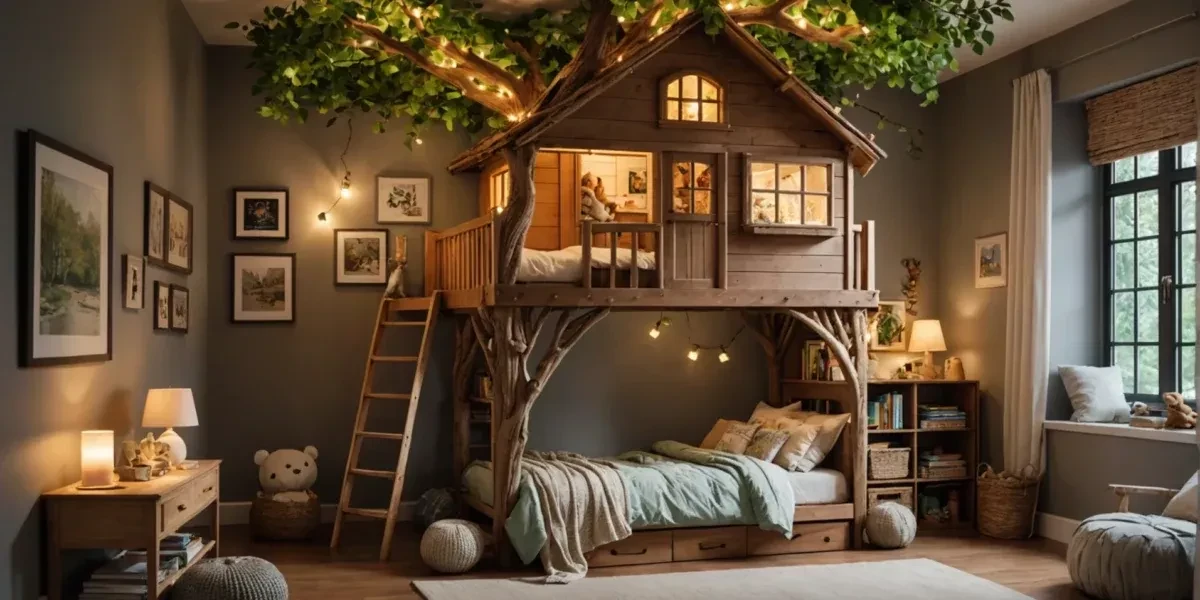
Designing a child’s room is one of the most exciting projects for parents. A well-designed kids’ room is much more than a place to sleep it is a space where children learn, play, imagine, and grow.
The perfect room balances functionality, creativity, comfort, and personality while adapting to your child’s changing needs over the years.
If you’re looking for 10 Kids Room Design Ideas & Inspiration, this guide will help you create a beautiful, practical, and fun space that your child will love spending time in. Whether you’re designing a nursery, updating a toddler’s room, or creating a stylish bedroom for older children, these ideas can inspire a room that encourages creativity and comfort.
Why Thoughtful Kids Room Design Matters
A child’s environment plays an important role in their development. A well-planned room can:
- Encourage creativity and imagination
- Promote better organization habits
- Provide a comfortable study environment
- Support healthy sleep routines
- Create a safe space for play and relaxation
When designing a children’s room, consider functionality first while adding playful elements that reflect your child’s personality and interests.
1. Create a Theme-Based Room
One of the easiest ways to make a kids’ room exciting is by choosing a theme. A themed room provides visual consistency and gives children a space that feels uniquely theirs.
Popular themes include:
- Space exploration
- Jungle adventures
- Princess castles
- Ocean life
- Superheroes
- Dinosaurs
- Fairy tales
- Sports
- Cars and transportation
- Nature-inspired designs
The key is to avoid overcommitting to permanent features. Instead, use bedding, wall art, rugs, and accessories to create the theme. This allows the room to evolve as your child’s interests change.
Theme Design Tip
Choose a neutral base color for walls and furniture. Add themed elements through decorations that can easily be replaced in the future.
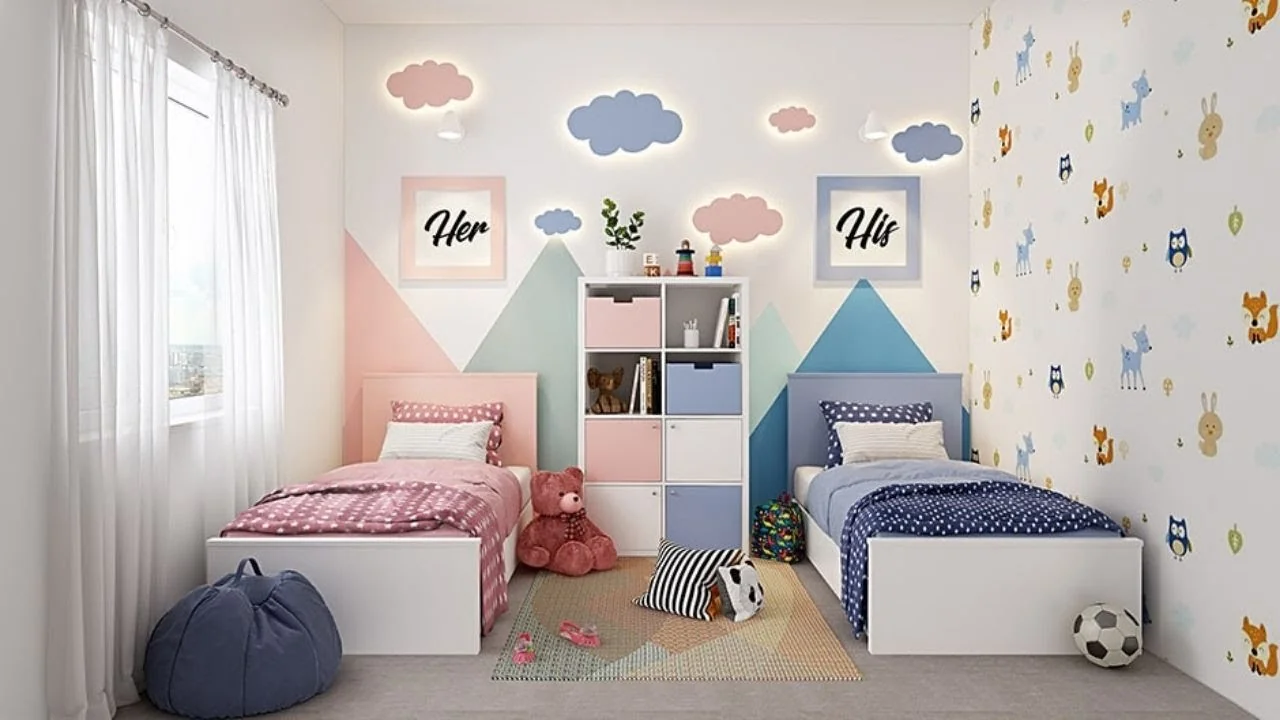
2. Use Creative Wall Decor
Walls provide an excellent opportunity to add personality and creativity to a child’s room.
Consider decorating walls with:
- Murals
- Wall decals
- Educational posters
- Personalized name signs
- Growth charts
- Framed artwork
- Chalkboard paint
- Magnetic walls
A feature wall can instantly transform a plain room into an imaginative environment. For younger children, colorful illustrations create excitement, while older kids may prefer more sophisticated designs.
DIY Wall Inspiration
Create a gallery wall showcasing your child’s artwork. This boosts confidence and makes them feel involved in designing their own space.
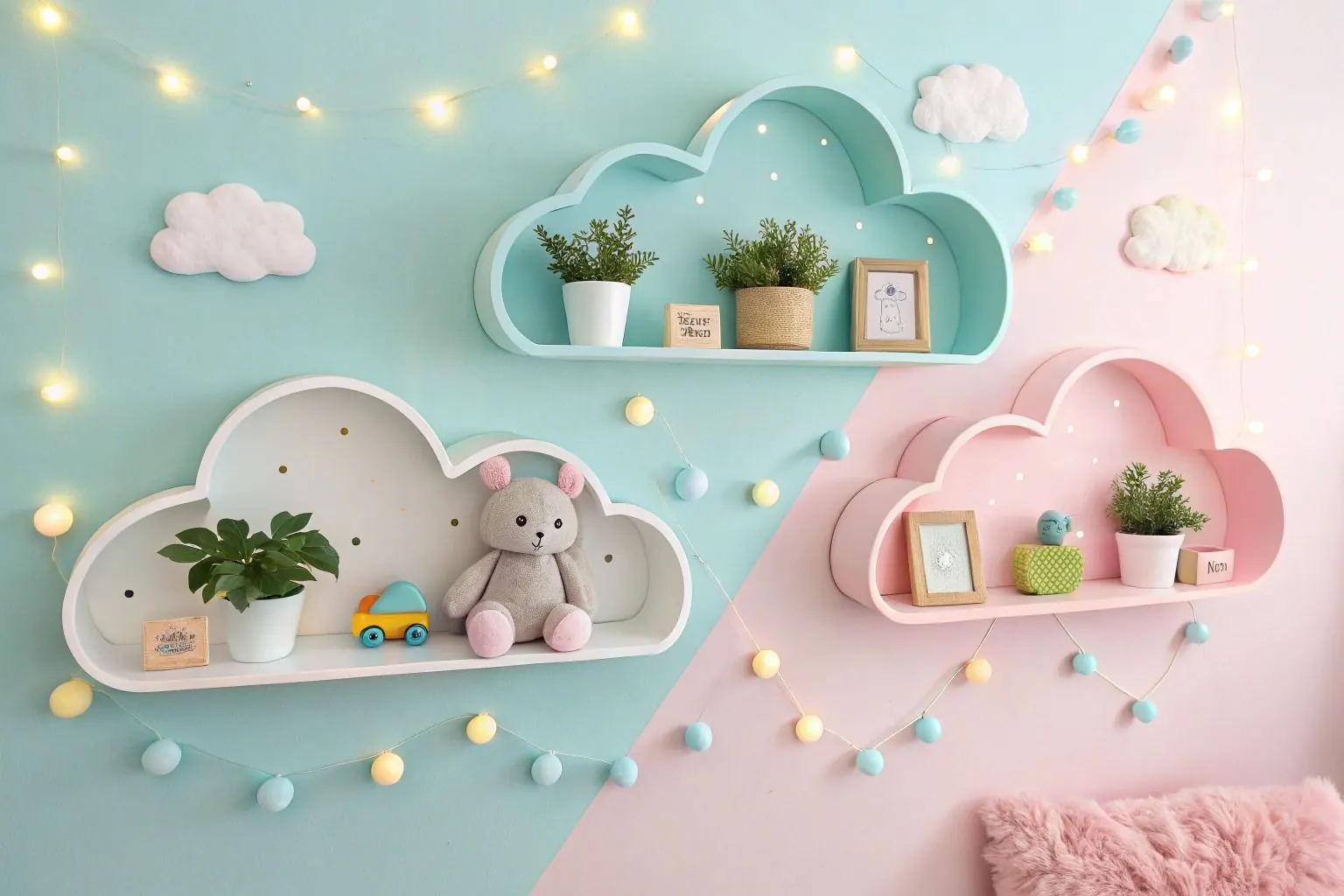
3. Choose Multi-Functional Furniture
Children’s rooms often need to accommodate sleeping, studying, playing, and storage within a limited area.
Multi-functional furniture helps maximize space while maintaining a clean and organized look.
Examples include:
- Beds with built-in storage drawers
- Loft beds with study areas underneath
- Storage benches
- Foldable desks
- Bookshelf headboards
- Convertible cribs
Investing in versatile furniture can save money in the long run because many pieces can grow with your child.
Benefits of Multi-Functional Furniture
- Saves space
- Reduces clutter
- Improves organization
- Increases room functionality
- Supports future room updates
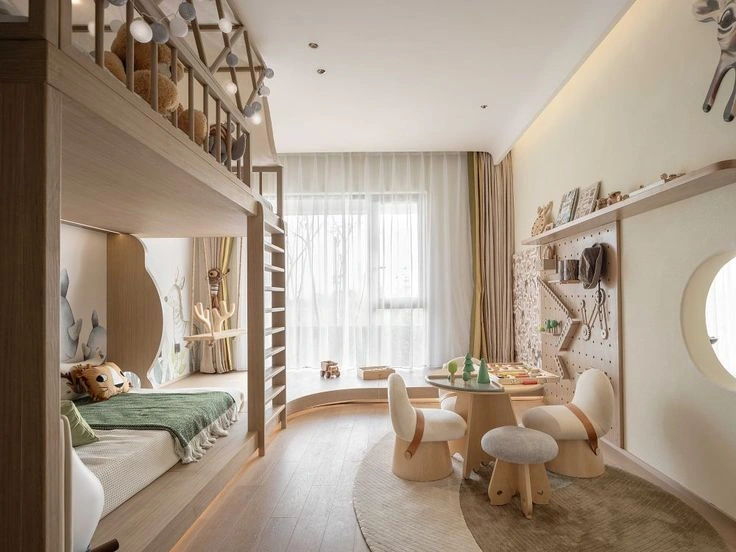
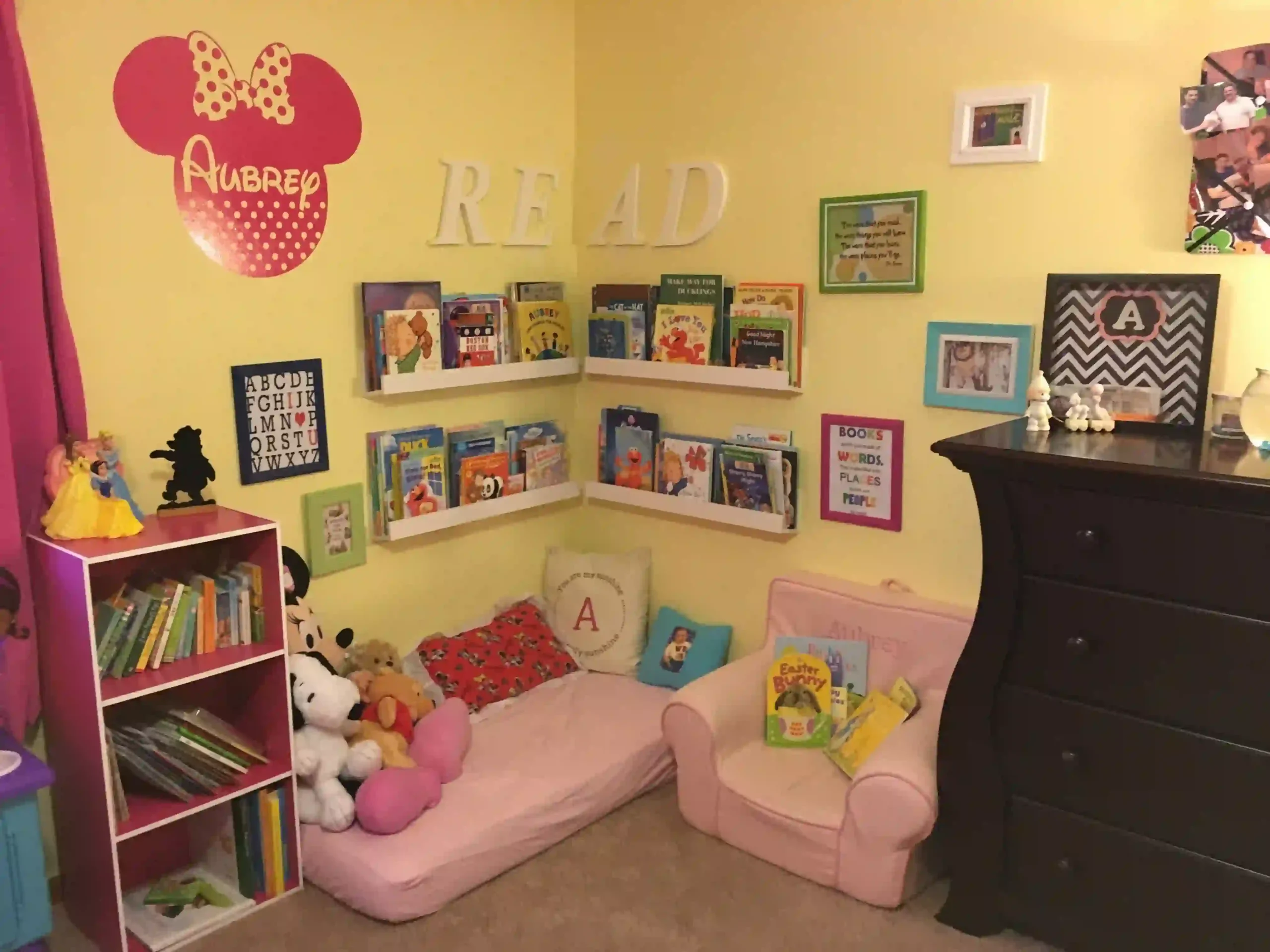
4. Design a Dedicated Reading Corner
Encouraging reading from an early age can have lasting educational benefits. A cozy reading nook can make books more appealing and accessible.
Create a reading corner using:
- Soft bean bags
- Floor cushions
- Small bookshelves
- Reading lamps
- Canopy tents
- Cozy rugs
Position the reading area near a window whenever possible to take advantage of natural light.
Reading Nook Inspiration
Add a small shelf filled with age-appropriate books and a comfortable chair that invites children to sit down and enjoy a story.
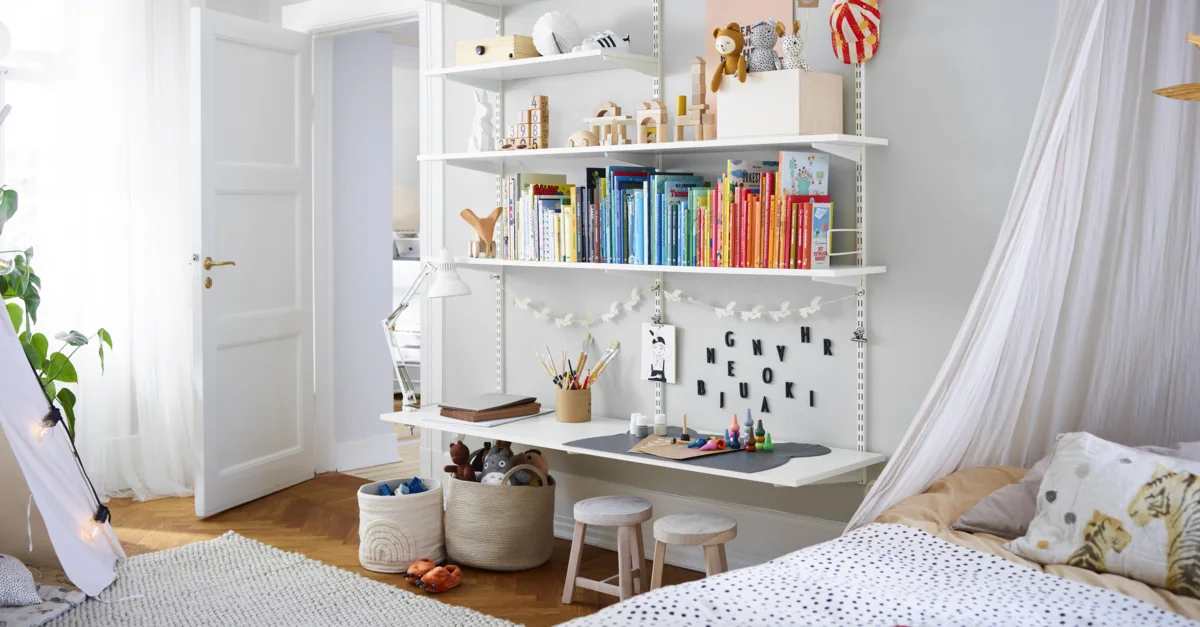
5. Incorporate Smart Storage Solutions
Storage is one of the biggest challenges in kids’ rooms. Toys, books, clothes, school supplies, and craft materials can quickly create clutter.
Effective storage solutions include:
- Cube organizers
- Under-bed storage bins
- Floating shelves
- Toy chests
- Wall hooks
- Storage baskets
- Closet organizers
Labeling storage containers can help children learn organizational skills and make cleanup easier.
Storage Design Tip
Choose attractive storage options that blend with the room’s decor rather than hiding them away. Stylish baskets and colorful bins can become decorative elements themselves.
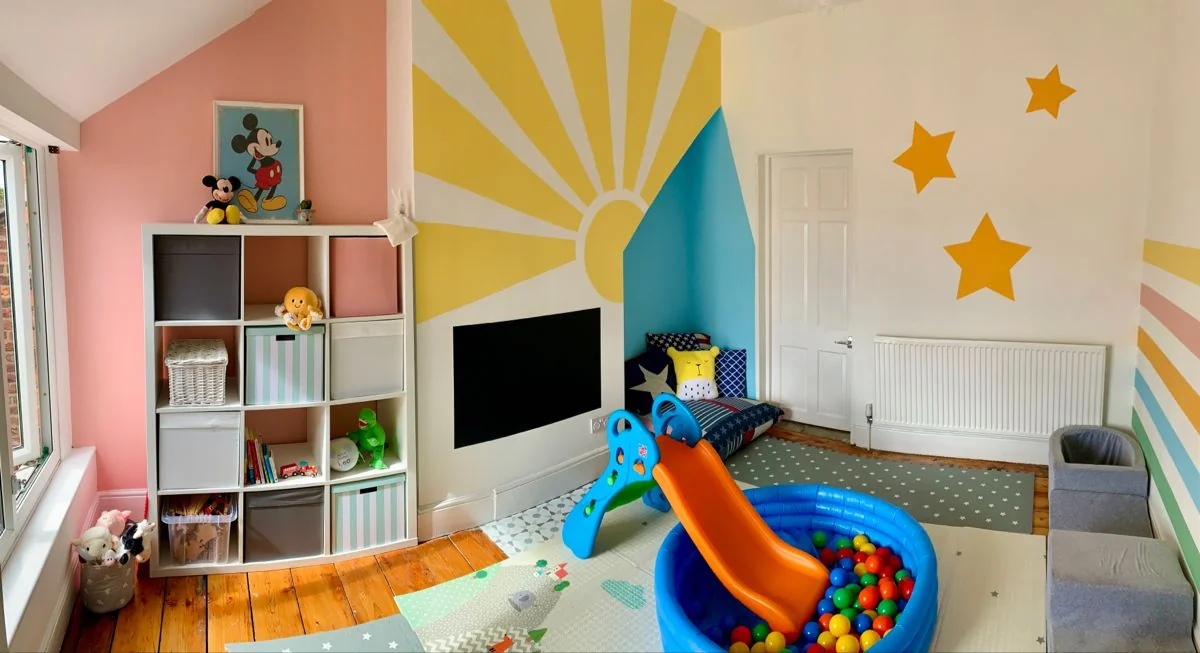
6. Add a Fun Play Zone
Children need a designated area where they can play freely and safely. Even small bedrooms can include a mini play space.
Play zone ideas include:
- Indoor tents
- Play kitchens
- Building block stations
- Art tables
- Puppet theaters
- Mini climbing walls
- Floor play mats
The size and features of the play zone should reflect your child’s age and interests.
Safety First
Keep play areas free of sharp corners and ensure furniture is securely anchored to walls to prevent accidents.
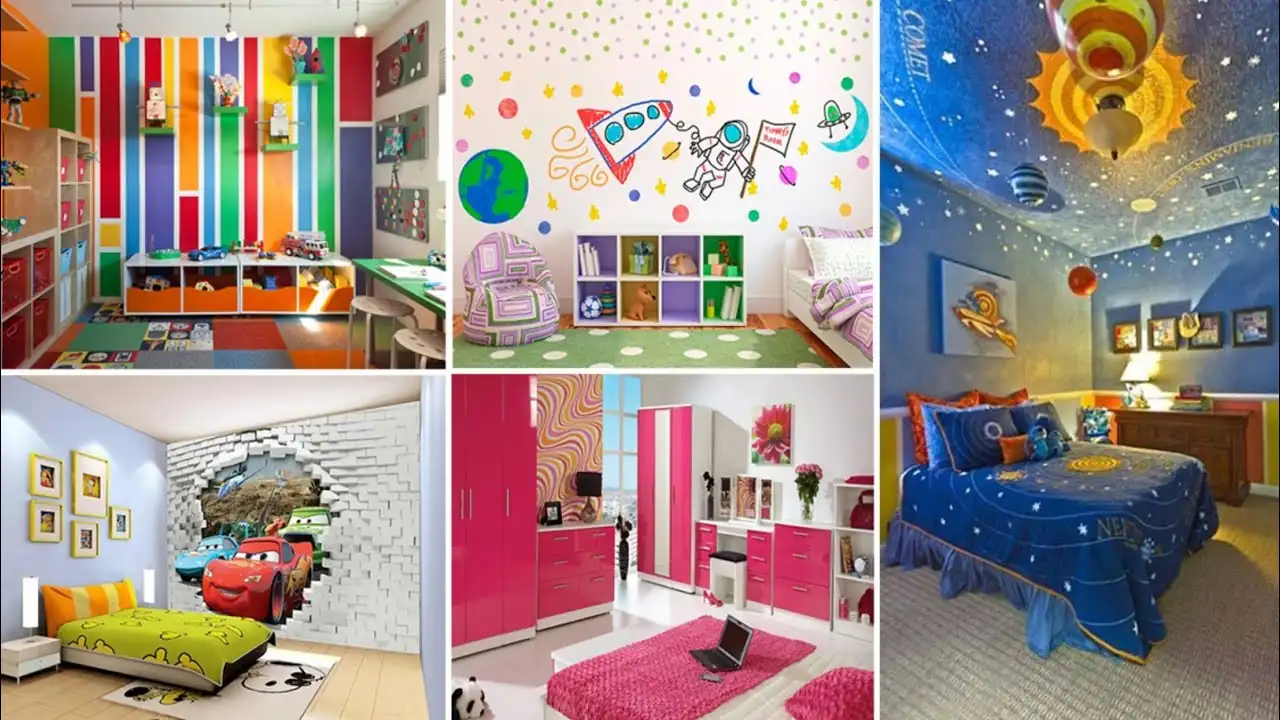
7. Use Color Psychology Wisely
Color significantly influences mood and behavior. Choosing the right color palette can make the room feel calming, energetic, cheerful, or inspiring.
Popular color choices include:
Blue
Blue promotes calmness and relaxation, making it ideal for sleep-focused spaces.
Green
Green creates a sense of balance and connection with nature.
Yellow
Yellow encourages creativity and positivity but should be used in moderation.
Pink
Pink can create warmth and comfort while adding a playful touch.
Neutral Colors
Neutral shades such as beige, gray, and white provide flexibility and allow colorful accents to stand out.
Modern Design Approach
Many parents now prefer neutral foundations combined with colorful accessories. This approach creates a timeless room that can easily evolve as children grow.
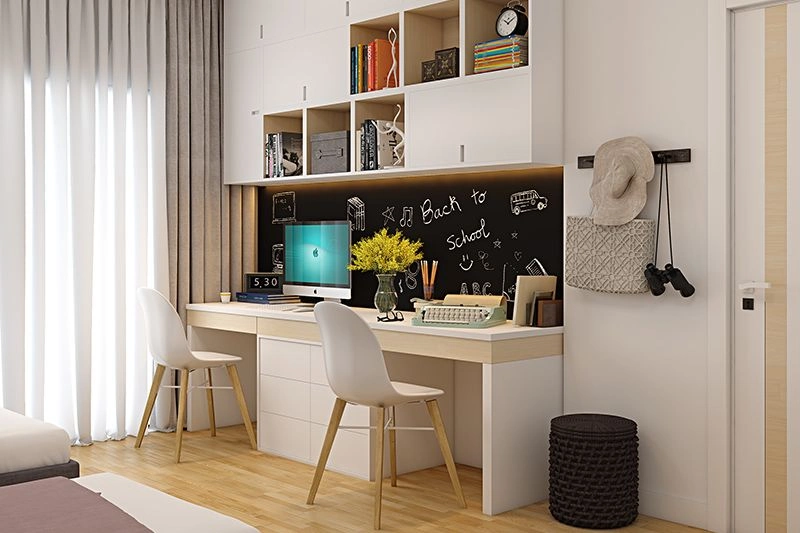
8. Include Study and Learning Spaces
As children enter school, having a dedicated learning area becomes increasingly important.
An effective study space should include:
- Comfortable desk
- Ergonomic chair
- Good lighting
- Storage for school supplies
- Bulletin boards
- Calendars
- Organizational tools
A well-designed study area helps children focus and develop productive habits.
Learning Environment Ideas
Add educational elements such as:
- World maps
- Alphabet posters
- Science charts
- Inspirational quotes
- Whiteboards
These features combine functionality with visual appeal.
9. Bring Nature Indoors
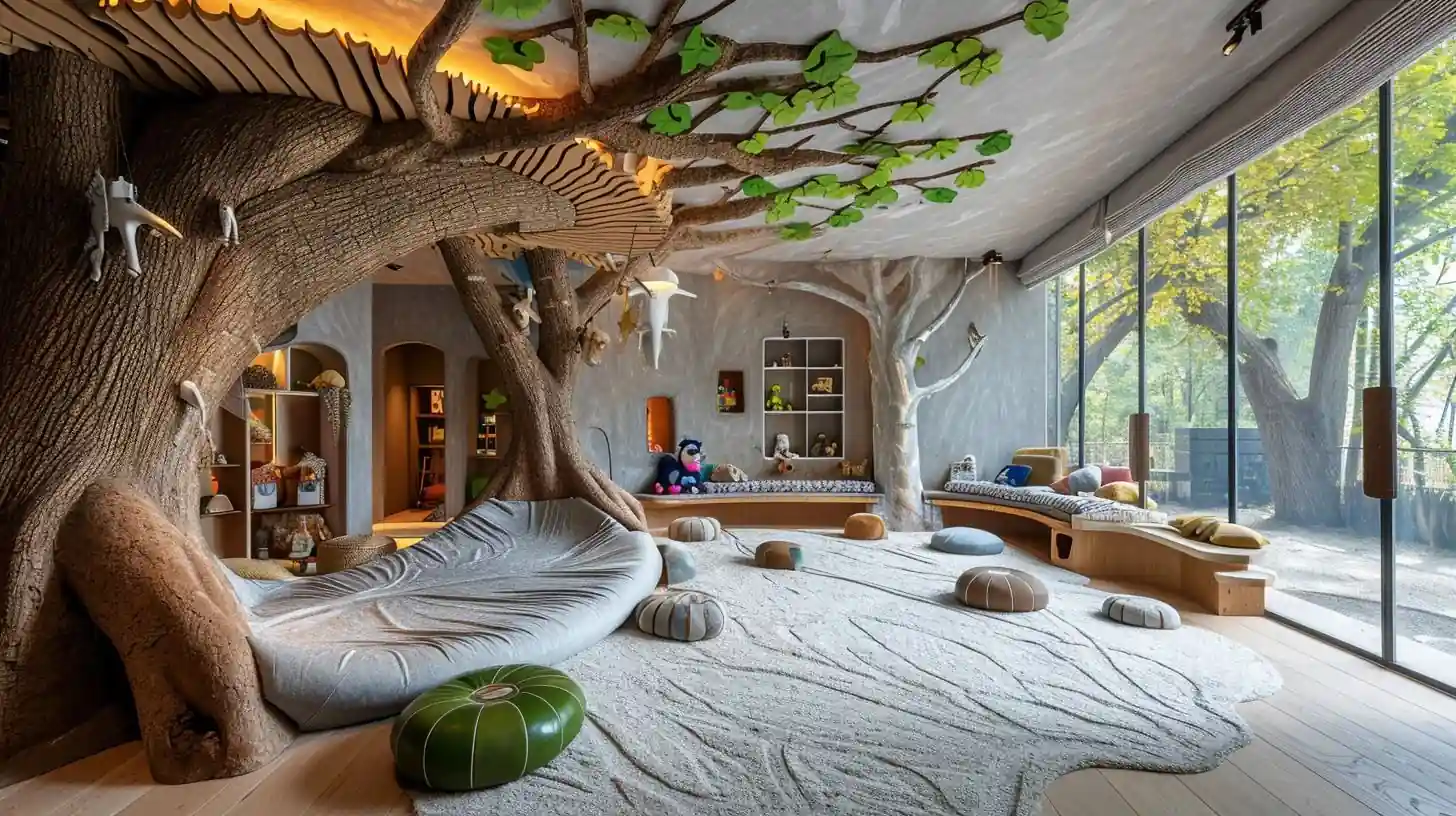
Nature-inspired design continues to be one of the biggest trends in children’s interiors.
Natural elements can make a room feel calming and refreshing.
Ideas include:
- Indoor plants
- Wooden furniture
- Nature-themed artwork
- Botanical wallpaper
- Earth-tone color palettes
- Animal-inspired decor
Plants can also improve air quality and help children develop an appreciation for nature.
Child-Friendly Plant Options
Consider low-maintenance plants such as:
- Spider plants
- Parlor palms
- Boston ferns
Always verify plant safety before placing them in children’s rooms.
10. Create a Room That Grows With Your Child
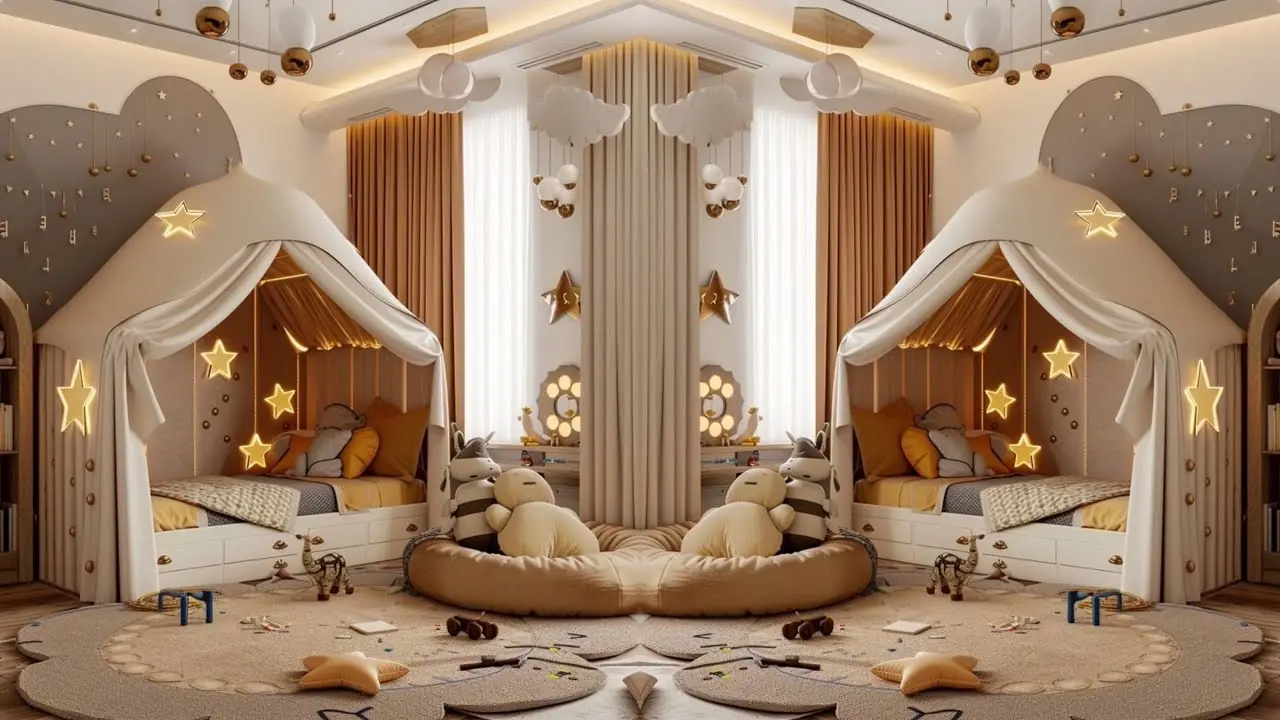
One of the smartest approaches to kids’ room design is planning for the future. Children’s preferences and needs change quickly.
Design with flexibility by:
- Choosing timeless furniture
- Using removable wall decals
- Selecting adjustable desks
- Investing in quality storage systems
- Avoiding overly age-specific designs
This strategy helps reduce renovation costs and keeps the room functional for years.
Long-Term Design Inspiration
Focus on creating a strong design foundation. Update accessories, bedding, artwork, and decorations as your child matures.
Essential Safety Considerations
No discussion about kids’ room design would be complete without addressing safety.
Key safety measures include:
- Secure heavy furniture to walls
- Cover electrical outlets
- Use cordless window coverings
- Choose non-toxic paints
- Install night lights
- Avoid sharp-edged furniture
- Ensure proper ventilation
Safety should always be prioritized before aesthetics.
Budget-Friendly Kids Room Design Tips
Creating a beautiful room doesn’t require a huge budget.
Affordable ideas include:
Repurpose Existing Furniture
Paint or update old furniture to give it a fresh look.
DIY Decorations
Create personalized wall art and decorations with your child.
Shop Secondhand
Many quality furniture pieces can be found at affordable prices.
Focus on Accessories
New bedding, rugs, and artwork can dramatically change a room without major renovations.
Use Peel-and-Stick Wallpaper
Temporary wallpaper offers a high-impact design update at a relatively low cost.
Common Kids Room Design Mistakes to Avoid
When planning a children’s room, try to avoid these common mistakes:
Ignoring Storage Needs
Insufficient storage often leads to clutter and frustration.
Overcrowding the Room
Leave enough open space for movement and play.
Choosing Style Over Function
A beautiful room must still meet daily practical needs.
Not Involving Your Child
Including children in the design process helps create a space they truly enjoy.
Following Trends Too Closely
Trendy designs may quickly become outdated. Balance trends with timeless elements.
How to Personalize Your Child’s Space
Personalization transforms a standard bedroom into a meaningful environment.
Consider adding:
- Name signs
- Family photos
- Display shelves for collections
- Customized bedding
- Memory boards
- Achievement walls
These personal touches make children feel proud of their space and strengthen their connection to the room.
Final Thoughts
Creating the perfect children’s bedroom is about combining creativity, comfort, organization, and practicality. These 10 Kids Room Design Ideas & Inspiration can help you design a room that supports your child’s growth while reflecting their unique personality.
From themed spaces and reading corners to smart storage and flexible furniture, every design choice contributes to a room that feels welcoming, functional, and inspiring. The best kids’ rooms are those that evolve alongside the child, adapting to changing interests and needs while maintaining a strong foundation of comfort and style.
Whether you’re working with a large bedroom or a compact space, thoughtful planning and creative design solutions can transform any room into a magical place where children can dream, learn, and thrive.